
Facts about Transylvania
Transylvania or Transilvania (from Latin – "the land beyond the forest")
Location: region in Central Romania
Transylvania is surrounded by the arc of the Carpathian Mountains:
the Transylvanian Alps, to the south,
Eastern Carpathians to the east and northeast
and Western Carpathians (the only non-continuous range) to the west.
Area: 22,319 sq miles (57,807 km2)
Population: 5.1 million
Main cities and towns: Alba Iulia, Bistrița, Brașov,
Cluj Napoca, Deva, Mediaș,
Miercurea Ciuc,
Sfântu Gheorghe, Sebes, Sibiu,
Sighișoara, Târgu Mureș.
Transylvania Highlights
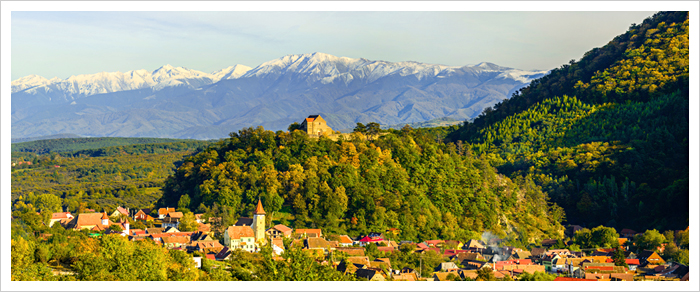
Transylvania is home to some of Europe's best-preserved medieval towns and outstanding rural landscapes. Brasov - home to the largest Gothic church in Eastern Europe, Sibiu - with its cobblestone streets and Transylvanian Baroque architecture, and Sighisoara hilltop citadel with secret passageways and a 14th century clock tower are some of Transylvania most popular destinations. Tiny shops that offer antiques and handicrafts made by local artisans line the narrow streets flanked by pastel-colored houses of the historic sections of many other towns in Transylvania.
Visitors to Transylvania will also encounter stunning castles such as Bran and Corvin.
Bran castle, 18 miles southwest of Brasov, is a 14th-century, Gothic fairy-tale structure,
often associated with Walachian Prince Vlad Tepes, the inspiration for Bram Stoker's novel Count Dracula.
While the connection with prince Vlad is tenuous, the deep bond of local villagers with the legend is not.
The 15th-century Corvin Castle, with its towers and buttresses reminiscent of the medieval times,
is considered, by many, the most beautiful in Transylvania.
Its sumptuous Knights Hall hosts numerous cultural events and as well as functions and parties.
In close proximity to Brasov are several Saxon fortified churches. The most spectacular are Harman, protected by massive walls and, still strong, 13th defending towers, and Prejmer, the largest fortified church in Southeastern Europe.
In 1568 the Transylvanian Diet issued the Edict of Torda proclaiming the freedom of religious exercise for Catholics, Lutherans, Calvinists (belonging to the Reformed Church) and Unitarians. The Edict remained in effect throughout the existence of the Principality of Transylvania.
Transylvania is also the birthplace of the Unitarian Church that merged with the Universalist Church in America, in 1961, to form the present Unitarian Universalist Association.
Colorful centuries-old traditions are alive and well in the small villages of Transylvania.
Transylvania's multi-ethnic heritage, including Romanian, German, Hungarian and Szekely,
is delightfully apparent in the folk costumes, architecture, cuisine, music and traditions.
People in rural areas still make a living at such time-honored occupations as shepherds, weavers, blacksmiths and carpenters.
The Apuseni Mountains range, in the western Carpathians, are home to landscapes of exquisite beauty and rare species of wildlife. More than 4,000 caves and the second largest underground glacier in Europe: Scarisoara Glacier await to be explored.
...

...
20 Places to explore in Transylvania
Transylvania is Romania's best-known region and home to numerous historic sites and natural areas that delight visitors from all over the world. Here are just a few of them:
1. Thoughs of Transylvania often bring images of spooky castles or a mysterious count. But not far still tucked away from the region’s urban areas, Transylvania's small towns and villages are full of charm and offer plenty of things to do.
2. Old Town Brașov one of the most beautiful medieval towns in Romania.
3. Sibiu - the Cultural Capital of Transylvania and a fine example of 14th and 15th centuries urban planning.
4. Sighișoara citadel, arguably the most authentic and best preserved medieval town in Europe.
5. Bran Castle (also known as Dracula's Castle), built in 1377.
6. Râsnov Fortress – built in the 1300s by the Teutonic Knights to protect Transylvania against Tartar invasions.
7. Saxon fortified churches in Biertan, Câlnic, Hărman, Dârju, Prejmer, Saschiz Valea Viilor and Viscri all designated, by UNESCO as, World Heritage sites.
8. Bruckenthal Palace - Sibiu, Transylvania's finest art museum.
9. Mărginimea Sibiului area - 18 traditional villages, just northwest of Sibiu.
10. Sibiel Museum of Icons Painted on Glass, the largest of its kind in Europe.
11. The 14th-century Corvin Castle - one of Transylvania's most spectacular Gothic structures
with impenetrable walls, a drawbridge and a massive dungeon.
12. Sarmisegetuza Regia,
remnants of the capital of kingdom of Dacia (modern day Romania).
The Roman Empire conquered Dacia in 106 AD and built a new capital at Ulpia Traiana Augusta Dacica Sarmizegetusa.
13. Țara Moţilor (the Land of the 'Moţi' people). The Moţi (name given to the inhabitants of the region) live in scattered villages located at altitudes of over 5,000 feet, in the Apuseni Mts., and have preserved their century-old traditions and lifestyle.
14. Apuseni Mountains Nature Park home to abundand wild life, unspoiled landscapes and over 400 caves and underground glaciers.
15. Village Rimetea - 138 wonderfully preserved traditional houses illustrate the local achitectural style of the 1800s.
16. Alba Iulia Vauban Fortifications (18th century), the largest of its kind in south-east Europe.
17. Ancient Turda Salt Mine, now a museum and amusement park 400 feet below earth's surface.
18. City of Cluj-Napoca, the largest urban and university centre in Transylvania. Every year Cluj hosts numerous sports and cultural events including Transylvania International Film Festival and Untold dance music Festival.
19. Lacul Sfânta Ana (Lake Saint Anne),
volcanic crater lake known for the purity of its water and the wealth of adventure opportunities available in the area.
20. Sovata - spa town home to Europe's only helio-thermal, salty, lake:
the Bear Lake (Lacul Ursu).
Severe rheumatic pains, peripheral nervous system diseases and chronic gynecological symptoms are treated in Sovata's medical spas.
...
Major Museums in Transylvania
Transylvania is home to over significant 90 museums, large and small, with various main topic: art, gold mining, mineral waters, Transylvanian Saxons Guilds, farmacy, steam-engines. Major museums in Transylvania include:
| Town/ City | Museum name |
|---|---|
| Alba Iulia | Unification Museum |
| Brad | Museum of Gold |
| Brasov |
Ethography Museum, Brasov Art Museum, Brasov History Museum, Weavers' Bastion |
| Cluj Napoca |
Ethnography Museum of Transylvania, Cluj Napoca Art Museum, Transylvania History Museum |
| Miercurea Ciuc | Székely Community - Csíki Székely - Museum |
| Odorheiu Secuiesc | Museum of Mineral Waters |
| Rosia Montana | Mining Museum |
| Sibiu |
Brukenthal National Museum of Art, "ASTRA" Museum of Ethnography and Rural Civilization, Sibiu Pharmacy Museum, Casa Altemberger - Sibiu History Museum |
| Sighisoara |
Sighisoara Clock Tower - History Museum, Museum of Transylvanian Saxon Guilds |
Transylvania Performing Arts Institutions
| Town/ City | Performing Arts Institution |
|---|---|
| Brasov |
Brasov Philharmonic Orchestra Gheorghe Dima , National Opera, Puppet Theatre "Arlechino", "Sica Alexandrescu" Drama Theatre |
| Cluj Napoca |
State Philharmonic Orchestra - Cluj, Cluj Opera, National Theatre, Hungarian Language Theatre - Cluj Napoca, Cluj Puppet Theatre |
| Miercurea Ciuc | Drama Theatre "Csíki Játékszín" |
| Odorheiu Secuiesc | Philharmonic Orchestra "Székelyföldi Filharmónia" |
| Sibiu |
"Radu Stanca" National Theatre, State Philharmonic Sibiu, Sibiu Ballet Theatre, Sibiu Drama Theatre "Gong" |
| Targu Mures |
Philharmonic Orchestra at the Hall of Mirrors, Theatre for Young Audiences "Ariel" |
Transylvania Nature Parks & Outdoor Adventures
Transylvania is home to numerous nature parks and numerous protected areas. Largest and best-known are:
~ Apuseni Nature Park – a wildlife and caver's paradise
~ Gradistea Muncelului - Cioclovina Nature Park - site of the Sarmisegetuza - Dacian Civilization - archaeological site.
~ Piatra Craiului National Park – spectacular rocky steep walls, virgin forests and one of the world's deepest underground abysses (Coltii Grindului shaft, - 1,800 feet)
~ Upper Mures River Narrows Nature Park", Rastolita.
Nature Park "Țara Hațegului" -- Geoparcul Dinozaurilor „Țara Hațegului”
Transylvania Active VacationsTransylvania offers excellent conditions for outdoor activities: Biking, Camping, Caving, Rock-Climbing, Fishing, Hiking, Nature walks, Rafting, Wildlife and Bird Watching
...
Cuisine & Wines of Transylvania
Transylvania Traditional dishes
Transylvania's cuisine displays dishes based on meats and vegetables and flavored with thyme, red pepper or tarragon.
Pork, mutton, veal, potatoes, red peppers, wheat and corn are among the most popular ingredients in Transylvania's cuisine.
Sour cream and egg yolk are ofted added to many traditional soups, except to those that feature homemade pasta (tăiței) or dumplings.
Polenta (Mamaliga) - Transylvania’s version of grits, a hearty corn meal porridge with a grainy texture,
is often served with rich soups and meat stews.
German and Hungarian influences can be identified in many Transylvanian dishes.
A typical, traditional meal, in Transylvania includes:
Appetizer:
— Cured, Smoked, pork lard (Lardo or Salo - slanina in Romanian),
served as an appetizer with fresh bred and red onion or hot pepper.
Dense bread is quite popular in Transylvania.
In some areas of this region of Romania,
when making the dough mashed potato are added to get a tasty potato-bread (Pâine cu Cartofi).
Soup:
— Potato soup with smoked pork rib and taragon (Ciorbă de Cartofi cu Afumatura)
or
— Tarragon Chicken Sour-Soup (Ciorbă de Pui cu Tarhon)
or
— Lucicoș / Lucskos - cabbage and smoked pork sour-soup (Ciorbă de Varză cu Afumătură).

Main:
— Meat (and potato) stew or
— Cluj-style Cabbage ( „Varză a la Cluj” ) – the Transylvanian version of lasagna:
(layers of shredded sauerkraut and minced pork and/or beef mixed with rice, topped with sourcream).
Dessert:
— Plum (or cheese) dumplings (Gomboti) – fresh local plums cooked in mashed potato dough,
coated with buttered breadcrumbs and sugar.
Other Transylvania culinary specialties:
— Vărzare (Double-crust pie, made from bread dough filled with cheese,
dill and orache spinach or with fresh cabbage or potato and baked in brick oven).
— Supa de Chimen (caraway seads soup),
— Ciorbă de ardei umpluti (stuffed peppers soup),
— Tocană de ciolan de porc si cartofi (smoked shank and potato stew),
— Tapşe sau Mămăligă Dreasă - Dressed Polenta (corn flour, cheese, sourcream, bacon, sausage, boiled eggs)
— Lichiu or Hencles in German - sweet pie made from risen dough, butter, sourcream, egg and raisins.
Lichiu is a traditional holiday and wedding reception desert.
A thin, long, juicy sausage - made from lean mouton, lean goat meat, a little bit of pork fatback (spices added) - is, arguably, Transylvania’s tastiest sausage. The meats are minced, mixed with bone broth and spices, cased in sheep's intestine and warm-smoked 3 – 4 hours. The Virșli (or Vișli) recipe may be more than 2,000 years old.
...
Transylvania Artisanal Foods and Local Flavors
| Name | Type | Ingredients |
|---|---|---|
|
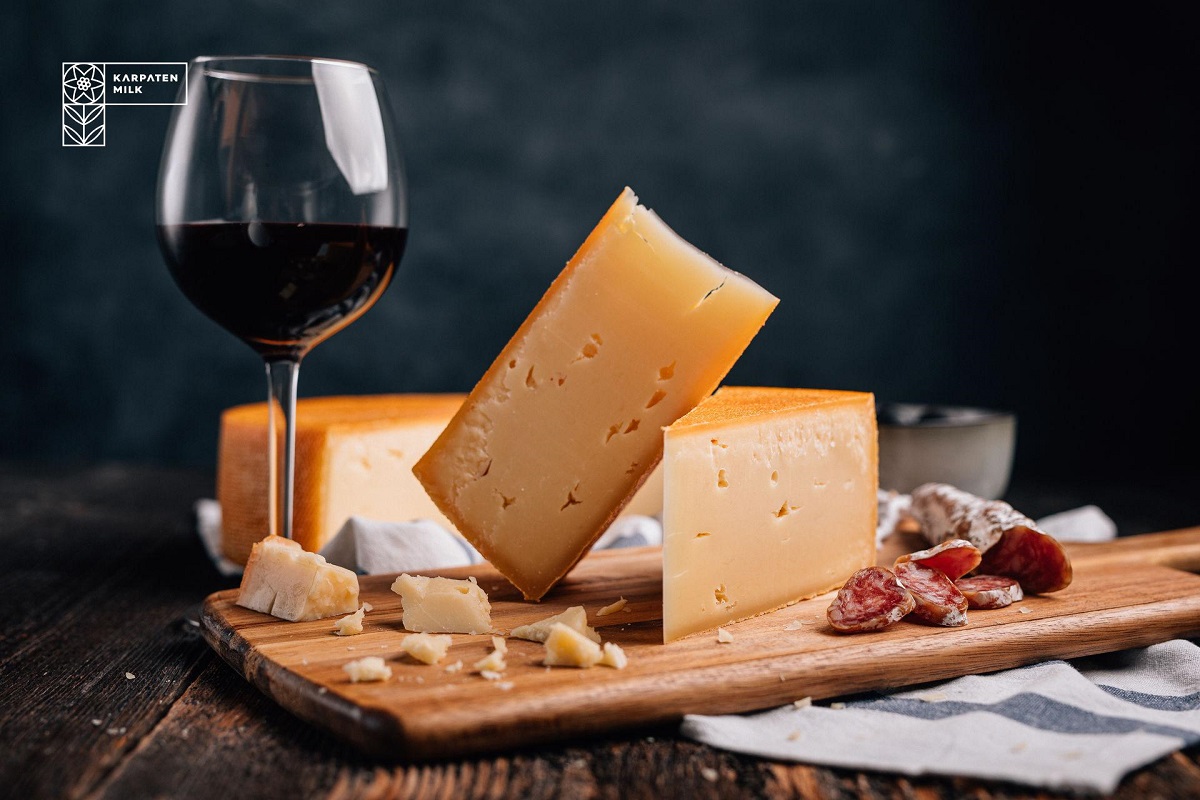
Cheese | ||
| Nasal | Soft white mould, cave aged local name: Brânza de Năsal |
pasteurized cow milk, salt Provenance: village Năsal - Țaga |
| Tekerői | Pressed, Aged 6 -- 12 months | pasteurized cow milk, salt Provenance: village Valea Strâmbă - Gheorghieni |
| Súgó | Pressed, Aged 6 -- 12 months | pasteurized cow milk, salt Provenance: village Valea Strâmbă - Gheorghieni |
| Torockoi | Smoked, Pressed | pasteurized cow milk, salt Provenance: village Coltești - Rimetea |
| Trascău Parmesan | Pressed cooked, hard | pasteurized cow milk, salt Provenance: village Coltești - Rimetea |
| Baier | (brined) white, pressed local name: telemea and cas |
pasteurized goat milk, salt, rennet Provenance: villages near Sighisoara |
| Meșendorf | hard (pressed), Gruyère-like local name: brânza maturată |
pasteurized cow milk, salt, rennet Provenance: village Meșendorf |
| Tarina | white, aged in brine local name: telemea |
pasteurized buffalo or ewe milk, salt, rennet |
|
Cured meats and Charcuterie | ||
| Salinata de Turda | Cured meat | pork, natural wood smoke, salt, spices |
| Pork Collar (Capocollo) | Dry-aged meat | pork neck, aged at least two months |
|
Honey and Nut Spread | ||
| Nuvolau | Nut / Seed Spread | Hazelnut, Almond, Pistachios, Dates |
Meat is kept in natural brine for 5 to 7 days; spices, sugars, and lactic cultures are added to the brine.
It is then smoked (hardwood / beech) and matured/dried for 20 to 28 days.
Supă de Pîine cu Ouă şi Zeamă de Carne
A typically Saxon dish, considered to be reviving for convalescents and a hangover helper.
Ingredients: four slices of (whole weat flour) bread, fried in goose fat, 8 cups of meat stock, two onions, one egg (per person), salt and pepper.
Place the fried bread in a soup bowl. Add the egg(s) and the quartered onion, salt and pepper. Pour hot meat stock over the ingredients, making sure that the egg yolk does not break. Cover the bowl for a few minutes, until the egg-whites hardened. Optional: sprinkle with chopped dill or celeriac, fresh green onions. Home-made sausages can also be added.

Artisan Beer made in Transylvania
Craft beer (Bere Artizanala) is more and more popular in Transylvania. Bars and restaurants tend to offer beers produced by commercial large-scale breweries and if you want craft beer, you’ll really have to ask for it. There are over 40 artisanal beer producers / craft breweries, in Romania; quite a few are located in Transylvania:| Town of brewing | Label |
|---|---|
| Bistrita | Musai |
| Blaj | Gloria |
| Brasov |
Mustata de Bere |
| Budacu de Jos / Jelna |
Șura Veche |
| Cluj Napoca | Blackout, Barlog, Clusa, Festival, Hope Head |
| Ibanestii de Padure - Mures county | Laspusna |
| Miercurea Ciuc | Csíki Sör |
| Sfantu Gheorghe | Lucretia Schooner |
| Sibiu | Nembeer, SB Bere Sibiu, Urban |
| Targu Mures |
Noah |
...
Transylvania Wines and Wine Regions
Transylvania grapevine acreage is currently estimated at 16,310.
There are five major wine regions in Transylvania: Aiud, Alba, Lechința, Sebeș-Apold and Târnave
where 18 large wineries produce excellent white wines (dry, half-dry, semi-sweet and sweet).
Wineries/ Winetasting in Transylvania
Domeniul Ciumbrud
Nearest large towns: Turda (26 miles N) and Alba Iulia (28 miles S)
Wines: Chardonnay, Dry Muscat, Feteasca Alba, Feteasca Neagra, Pinot Grigio, Pinot Noir, Sauvignon Blanc, Traminer
Labels: Cardinal, Domeniul Ciumbrud, Fior, Mentor, Mulbach, Privilegium
Address: Str. Salviei 6, Ciumbrud-Aiud
Crama Jidvei / Bethlen-Haller Château
Nearest large towns: Blaj (16 miles W) and Medias (18 miles SE)
Wines: Aligote, Feteasca Alba, Feteasca Regala, Gewurtztraminer, Sauvignon Blanc,
Muscat Ottonel, Chardonnay, Pinot Grigio, Italian Riesling, Pinot Noir
Labels: Castel, Eiswein, Grigorescu, Mysterium, Owner’s Choice, Tezaur, Traditional
Address: DJ107 89, Cetatea de Baltă
Crama Takacs
Nearest large towns: Alba Iulia (24 miles S) and Turda (24 miles N)
Wines: Chardonnay, Fetească Albă, Gewurtztraminer, Italian Riesling, Merlot, Muscat Ottonel, Rhein Riesling, Traminer.
Labels: Crama Takacs
Address: Str. Ion Creanga 10, Aiud
Crama Telna
Nearest large town: Alba Iulia (8 miles S)
Wines: Feteasca Regala, Muscat Ottonel, Sauvignon Blanc
Labels: Colecția 1784, Corbul Alb, Crama Țelna
Address: Str. Principala 225, Telna - Ighiu
Crama Liliac
Nearest large towns: Reghin (10 miles S) and Bistrita (29 miles N)
Wines: Fetească Albă, Fetească Neagră, Fetească Regală, Merlot, Neuburger, Pinot Grigio, Rose Pinot Noir, Sauvignon Blanc
Labels: Liliac, Titan
Address: Str. Principala 41, Batos
Crama Villa Vinea
Nearest large towns: Targu Mures (16 miles N), Medias (225 miles S) and Sighisoara (35 miles SE)
Wines: Fetească Neagră, Fetească Regală, Gewurtztraminer, Kerner, Merlot, Pinot Noir, Rhine Riesling, Zweigelt
Labels: Villa Vinea
Address: Str. Principala 243, Mica (Mures county)
Crama La Salina
Nearest large town: Turda (4 miles N)
Wines: Blanc Sauvignon, Chardonnay, Muscat Ottonel, Pinot Noir, Pinot Noir rose, Rhein Riesling,
Labels: Issa
Address: Str. Arinilor 12A. , Ciumbrud
Pivnita Savu
Nearest large town: Alba Iulia (26 miles S) and Turda (28 miles N)
Wines: Chardonnay, Fetească Regală, Italian Riesling, Muscat Ottonel, Neuburger, Rhein Riesling, Roter Traminer, Sauvignon Blanc
Labels: Familia Savu, Duchess of Transylvania, Savu Special Selection
Address: Str. Dealu Viilor 10, Turda
Crama Jelna
Nearest large towns: Bistrita (7 miles NW) and Reghin (32 miles S)
65 acres -- 120,000 bottles of wine / year.
Wines: Fetească Albă, Fetească Regală, Chardonnay, Italian Riesling, Muscat Ottonel, Neuburger, PinkTraminer, Pinot Grigio, Sauvignon.
Labels: Amprenta Transilvaniei, Dealu' Negru, Navicella
Address: Jelna - Satu Nou
Crama Vie si Vin Lechinta
Nearest large towns: Bistrita (6 miles NW) and Reghin (34 miles S)
Wines: Chardonnay, Fetească Albă, Fetească Neagră, Fetească Regală, Merlot, Neuburger, Pinot Noir, Riesling, Sauvignon Blanc.
Labels: Balanță, Pârâul Uscat, Savinka, Vie . Vin,
Address: Strada Principala 336, Lechinta
Crama Barabás
Nearest large towns: Cluj Napoca (31 miles S) and Bistrita (45 miles E)
Wines: Sauvignon Blanc, Muscat Ottonel, Pinot Grigio Rosé.
Labels: Ivire, Vatra Rosia
Address: village Fizeşu Gherlii 9
...
TRANSYLVANIA TRIP PLANNING INFO
Transportation to Transylvania
Air transportation to TransylvaniaFour cities in Transylvania have international airports:
Brasov (GHV), Cluj Napoca (CLJ),
Sibiu (SBZ) and Targu Mures (TGM)
Airlines with service to Transylvania region include:
Tarom, Air Connect, Austrian Airlines, Dan Air, Lufthansa,
WizAir.
There is frequent train and bus service from/to Bucharest - and other major cities in Romania - to Transylvania region.
Busiest train stations in Transylvania include: Brasov, Cluj Napoca, Dej, Sibiu, Sighisoara, Simeria/ Deva
To check train/ bus schedules (domestic and international routes) please visit
RomaniaTourism Transportation section.
... ... ...
Transylvania Tourist Information
Town of Alba Iulia Tourist Information Centre
Centrul de Informare Turistica - Alba Iulia
Address: Aleea Sfântul Capistrano 28,
Alba Carolina Citadel
Telephone: (+4) 0371 337 148
...
City of Brasov Tourist Information Centre
Centrul de Informare Turistica - Brasov
Address: Piața Sfatului 30
(inside Brasov History Museum)
Telephone: (+4) 0268 419.078
...
City of Cluj Napoca Tourist Information Centre
Centrul de Informare Turistica - Cluj
Address: Bulevardul Eroilor 6, Old Town Cluj
Telephone: (+4) 0264 452 244
...
Town of Miercurea Ciuc Tourist Information Centre
Centrul de Informare Turistica - Miercurea Ciuc
Address: Piața Libertății 5
Telephone: (+4) 0266 317 007
...
City of Sibiu Tourist Information Centre
Centrul de Informare Turistica - Sibiu
Address: Str. Samuel Brukenthal 2, Great Square
Telephone: (+4) 0269 208.913
...
Town of Sighisoara Tourist Information Centre
Centrul Național de Informare și Promovare Turistică - Sighisoara
Address: Str. Octavian Goga 8
Telephone: (+4) 0365 882.937
E-mail
...
City of Târgu Mureș Tourist Information Centre
Centrul de Informare Turistica - Targu Mures
Address: Strada George Enescu 2
Telephone: (+4) 0365 404 934
E-mail
... ... ...
Transylvania Maps
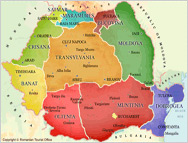
Transylvania -- Romania Historical Regions
Romania Main Roads and Tourist Attractions