
Romania is a fantastic choice for American travelers
seeking a destination that feels a bit different from the standard Western European circuit.
While neighbors like Hungary or Bulgaria attract more group travelers,
Romania remains one of Europe's best-kept secrets.
The country offers breathtaking scenery ranging from alpine peaks to coastal wetlands,
and a straightforward entry process for Americans.
Lo mejor de todo es que proporciona una experiencia de alto valor en la que su dólar se extiende mucho más que en Londres o París.
Información clave
Visitando Rumania está prácticamente libre de problemas for American citizens. A visa is not required for stays of up to 90 days within any 180-day period, provided you have a valid passport with at least six months of validity remaining. It's important to note that as of late 2026, the European Union is expected to roll out the ETIAS (European Travel Information and Authorisation System), so check for any new pre-travel registration requirements before you head to the airport.
While cards are accepted in major cities like Bucharest and Cluj, Romania is still a cash-friendly society. Local currency (the Romanian Leu) is favored by small vendors, in rural markets, and for tipping. English is spoken by about 30% of the population, particularly among the younger generation in urban areas. Learning a few basic phrases, such as "mulțumesc" (thank you), will go a long way toward building rapport with locals.
Consejos prácticos
Romania is incredibly affordable. A mid-range hotel usually costs around $100 per night, and a hearty meal for two with local wine rarely exceeds $30 to $40. Public transport is equally budget-friendly: a city bus ticket costs as little as $0.60. While public Wi-Fi is widely available and famously fast, it isn't always secure.
Es aconsejable utilizar un VPN para iPhone para proteger tus datos personales e información bancaria mientras navegas en una cafetería en el extranjero. Esto garantiza que su conexión esté cifrada, lo cual es particularmente vital dado que las redes públicas en los centros turísticos pueden ser blanco de fraudes cibernéticos menores.
Las carreteras secundarias de Rumania pueden ser estrechas y el país tiene tasas de accidentes viales más altas que el promedio de la UE. La económica y extensa red de trenes es una manera relajante de ver los lugares de interés.
Cosas para ver
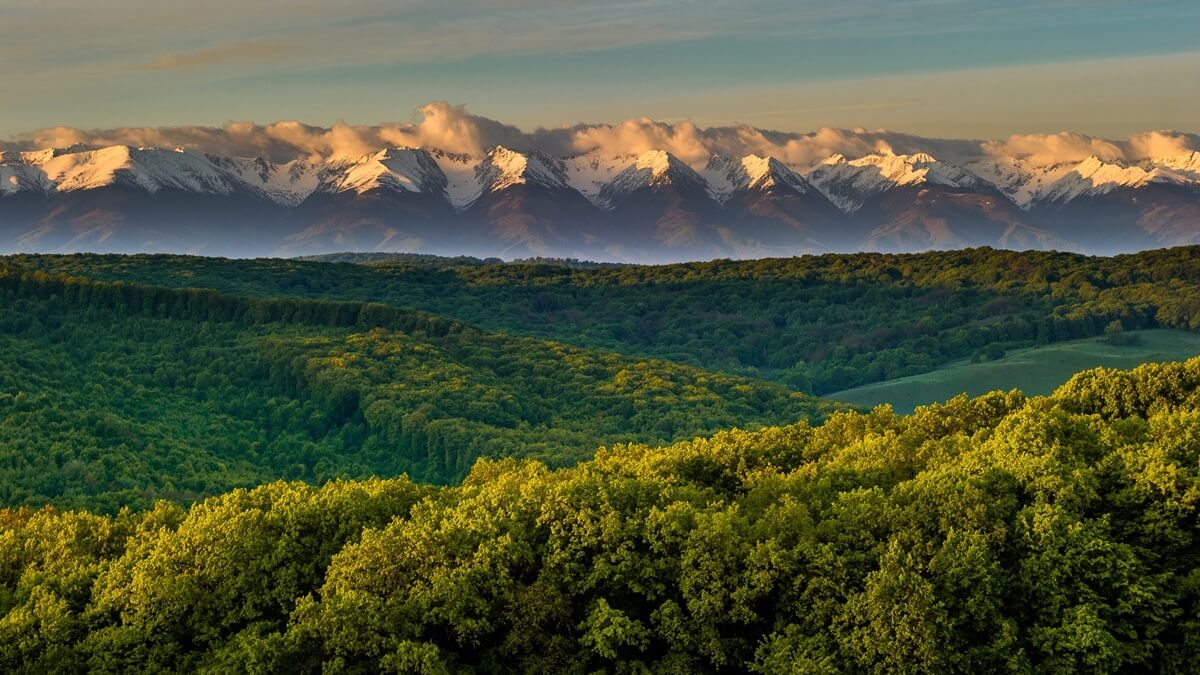
Ningún viaje a Rumania está completo sin explorar los Cárpatos. Ofrecen algunas de las rutas de senderismo más espectaculares de Europa y albergan el Transfăgărășan, una sinuosa carretera de montaña a menudo considerada la mejor ruta en coche del mundo. Los amantes de la naturaleza también deberían dirígete al este hacia el delta del Danubio, un paraíso para la observación de aves (y declarado Patrimonio de la Humanidad por la UNESCO).
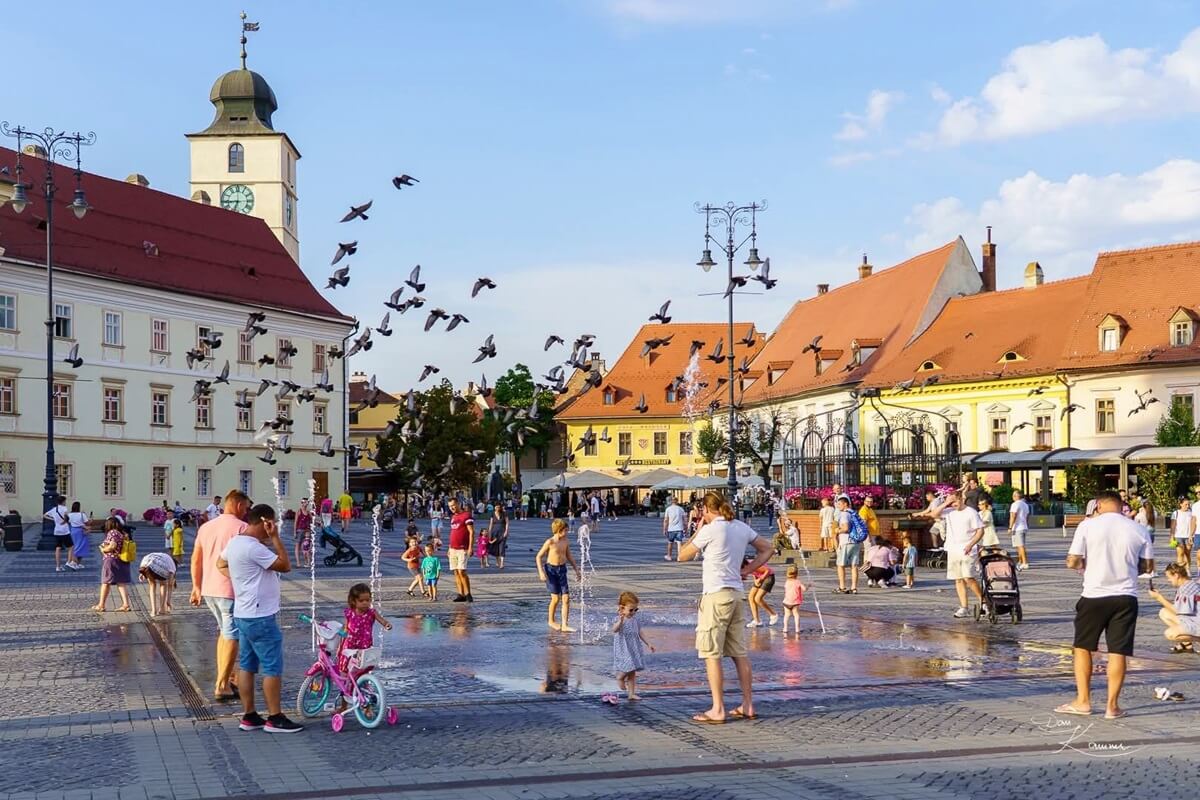
History buffs will find plenty to love in Transylvania. Bran Castle, famously (though loosely) linked to the Dracula legend, is a must-visit, as is the stunning Neo-Renaissance Peleș Castle in Sinaia. For a mix of medieval charm and vibrant culture, spend a few days in Brașov or the "Ciudad con ojos," Sibiu.
Por último, no pase por alto la capital, Bucarest. Su casco antiguo (Centro Vechi) es un centro de vida nocturna y arquitectura. que le valió a la ciudad el sobrenombre de "París del Este."