
¡Las peonías florecen con significado en Rumania!
Descubra cómo esta exuberante flor llegó a representar el romance, el orgullo y la herencia, con información de MyGlobalFlowers.
La peonía: una flor simbólica de Rumania
Las peonías no son simplemente flores decorativas; su significado se extiende profundamente en el tejido cultural, histórico y emocional de Rumania. Conocidos por sus exuberantes pétalos, su deliciosa fragancia y su vitalidad estacional, Las peonías han trascendido su belleza botánica para convertirse en un poderoso símbolo de me encantan las flores para ella dentro de esta nación de Europa del Este. Esta página web profundiza en las raíces históricas, los significados culturales y el significado contemporáneo de la peonía como flor simbólica en Rumania.
Una perspectiva histórica sobre las peonías en Rumania
The province of Romanians, with its diverse flora, has long been a cradle for various species of flowers, among which the peony stands out. Cultivated for centuries, peonies have historical roots that trace back to ancient times. Notably, the peony is often associated with the ancient Greeks, who revered it for its medicinal properties. The flower was named after Paeon, a student of Asclepius, the god of medicine, llustrating its historical roots in healing and well-being.
In Romania, peonies flourished in the context of traditional herbalism, serving not just as ornamental plants but also as remedies for various ailments. With roots in folk medicine, peonies were believed to possess properties that could cure anything from headaches to nervous disorders, which positioned them as essential components of local herbalism. The flower’s dual role as a beautiful garden ornament and a medicinal plant established a foundational cultural significance in Romanian society.
Mitología y Folklore
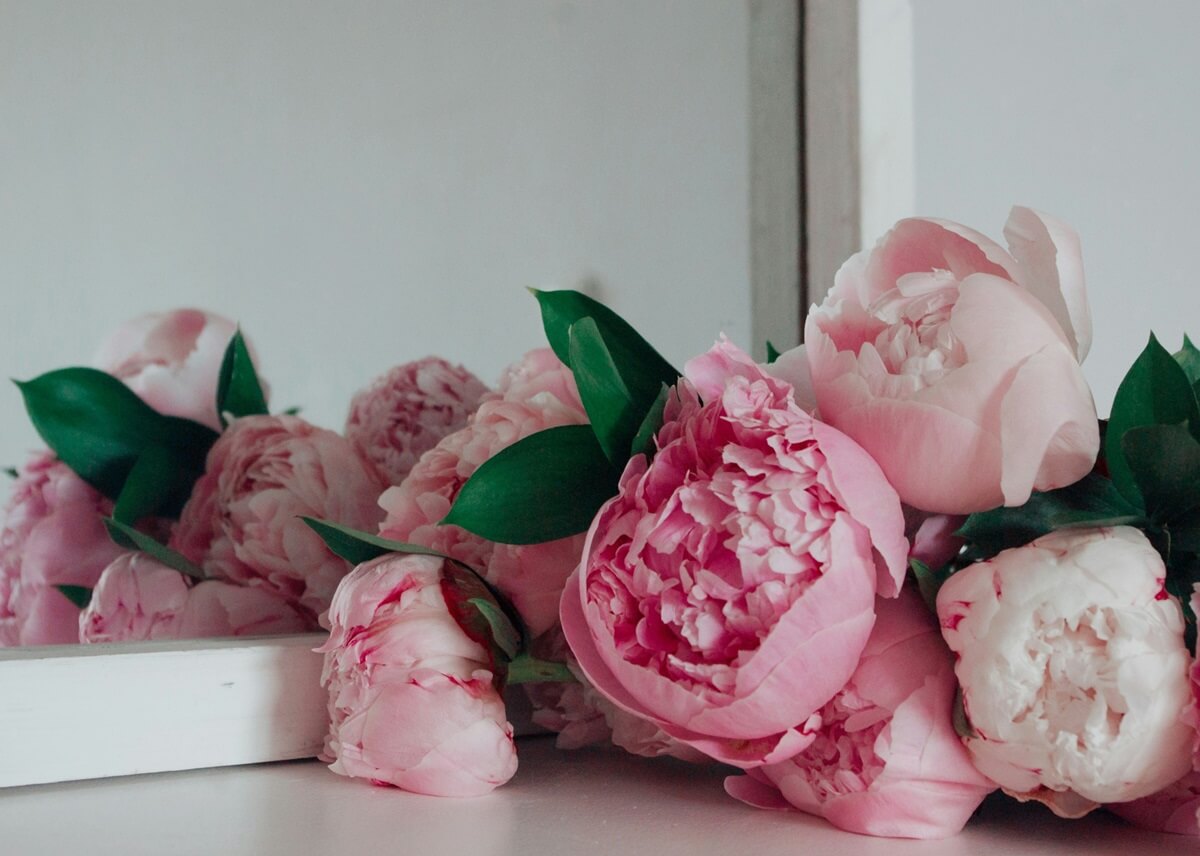
In addition to their historical medicinal uses, peonies are steeped in Romanian mythology and folklore. The significance of the flower is reinforced through various legends that illustrate its importance in the hearts and minds of the people. One of these legends narrates how a beautiful maiden named Maria, who had longed for her distant lover, wandered into a mystical forest and prayed for his safe return. In response to her prayers, she found herself surrounded by blooming peonies, which were believed to embody the love and devotion she felt for her sweetheart.
La peonía también se convirtió en un símbolo de pasión y romance en Folclore rumano. Traditionally, it signified love, beauty, and fidelity. In many villages, it served as a centerpiece for ceremonial occasions such as weddings, baptisms, and other festivals, where it was integral to the ornamental display, symbolizing purity and sacred commitment. Such traditions cemented the flower's position as a cultural emblem and a representation of emotions deeply cherished by the Romanian people.
Significados simbólicos asociados con las peonías
The symbolism of peonies has grown over time, influencing art, literature, and social movements. In Romania, peonies symbolize more than just floral beauty; they embody love, passion, and deep-rooted cultural values. This is evident during various celebrations, particularly weddings, where peonies are often incorporated into floral arrangements. Here are some of the key cultural associations of the peony in Romania:Las peonías en el arte y la literatura rumanos contemporáneos
Las peonías se utilizan con frecuencia como motivos dentro del arte y la literatura rumanos, sirviendo como emblema de la belleza y la vida. Algunos autores entrelazan peonías en sus narrativas, usándolas como símbolos de anhelo o nostalgia, mientras que otros los emplean como reflejos del panorama sociopolítico de su época.
Contemporary artists incorporate the intricate forms and vibrant colors of peonies in diverse mediums, from painting to sculpture. The flower’s symbolic weight makes it an ideal subject for exploring themes of identity, transition, and connection to the land. Through these modern expressions, peonies maintain a vital role in bridging Romania’s cultural past with its present and future, ensuring that the rich tapestry of its significance continues to evolve.
Conclusión: Abrazar el legado de la peonía
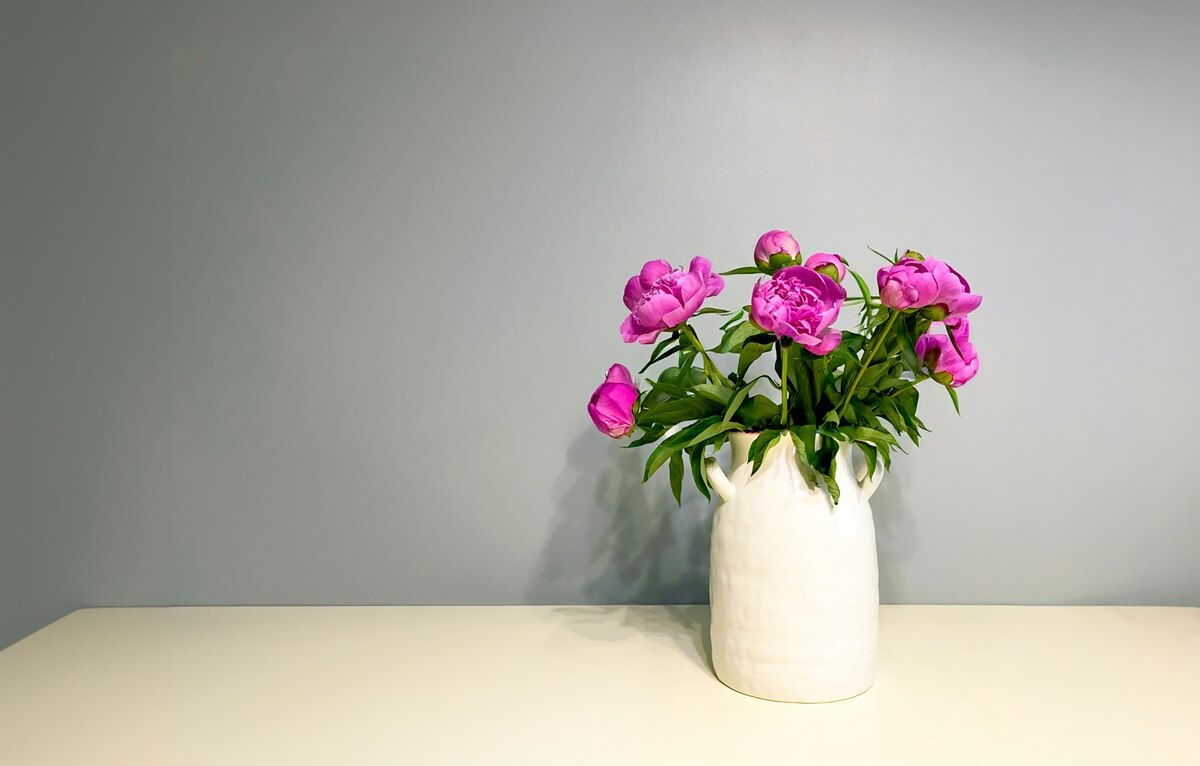
The journey of the peony as a symbolic flower of Romania reveals the intricate bond between nature and culture. From its historical roots in medicine and folklore to its place as a symbol of resilience and beauty in contemporary society, the peony is emblematic of the Romanian spirit. As this beloved flower continues to bloom in gardens and fields across the land, it serves as a poignant reminder of love, history, and the deep connections that shape the nation.
In a world that often seems disconnected, the peony stands as a steadfast symbol of unity, reminding us of the beauty that can flourish amid trials. Whether cherished in gardens, celebrated in festivals, or captured in art and literature, the peony will undoubtedly remain a cherished emblem of Romania’s rich heritage for generations to come.