
As peônias florescem com significado na Romênia!
Aprenda como esta flor exuberante passou a representar romance, orgulho e herança - com insights de MyGlobalFlowers.
A peônia: uma flor simbólica da Romênia
Peonies are not merely decorative blooms; their significance extends deeply into the cultural, historical, and emotional fabric of Romania. Known for their lush petals, delightful fragrance, and seasonal vibrancy, peonies have transcended their botanical beauty to become a powerful symbol of adoro flores para ela dentro desta nação do Leste Europeu. Esta página investiga as raízes históricas, os significados culturais e o significado contemporâneo da peônia como uma flor simbólica na Romênia.
Uma perspectiva histórica sobre as peônias na Romênia
A província de romenos, com sua flora diversificada, tem sido um berço para várias espécies de flores, entre os quais se destaca a peônia. Cultivadas durante séculos, as peônias têm raízes históricas que remontam aos tempos antigos. Notavelmente, a peônia é frequentemente associada aos gregos antigos, que a reverenciavam pelas suas propriedades medicinais. A flor recebeu o nome de Paeon, um estudante de Asclépio, o deus da medicina, ilustrando suas raízes históricas na cura e bem-estar.
Na Roménia, as peónias floresceram no contexto do herbalismo tradicional, servir não apenas como plantas ornamentais, mas também como remédios para várias doenças. Com raízes na medicina popular, acreditava-se que peônias possuíam propriedades que poderia curar qualquer coisa, desde dores de cabeça até distúrbios nervosos, que os posicionavam como componentes essenciais do herbalismo local. O duplo papel da flor como um belo ornamento de jardim e uma planta medicinal estabeleceu um significado cultural fundamental na sociedade romena.
Mitologia e Folclore
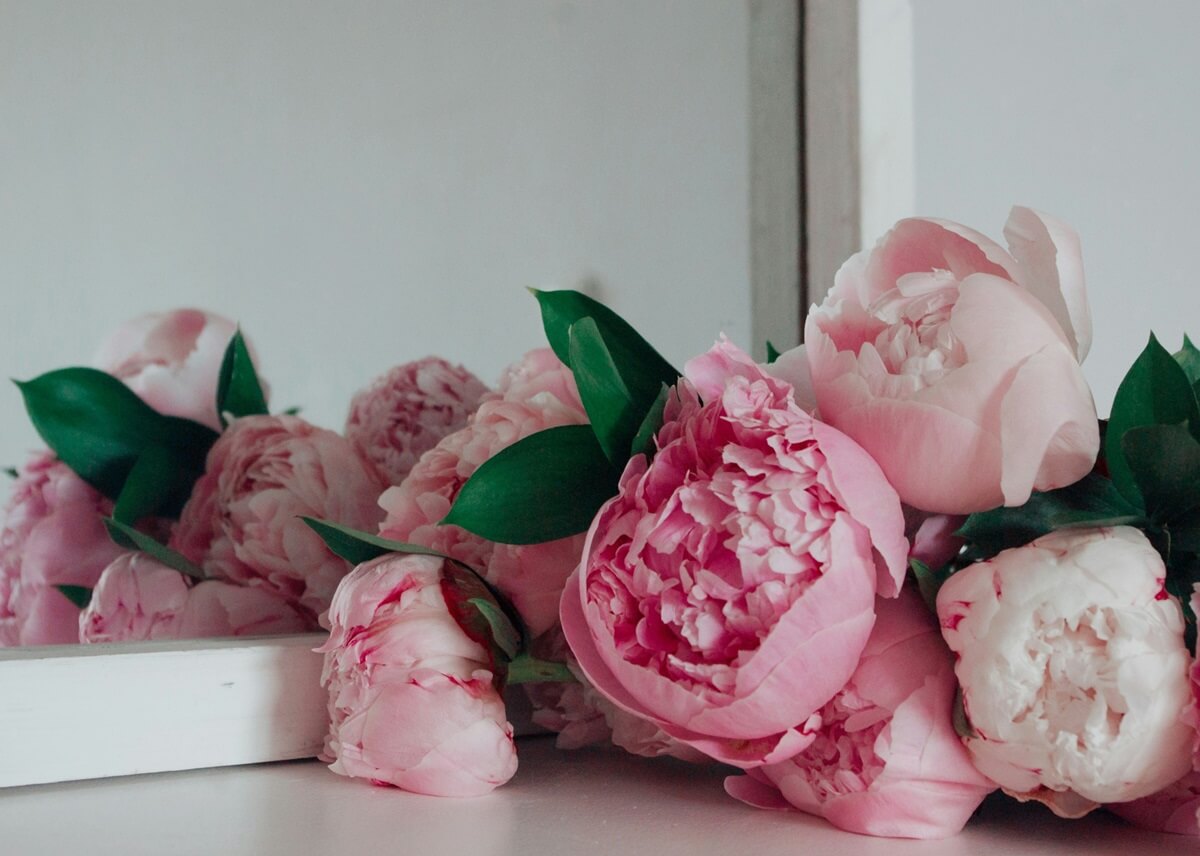
Além de seus usos medicinais históricos, peônias estão mergulhadas na mitologia e folclore romenas. O significado da flor é reforçado através de várias lendas que ilustram sua importância nos corações e mentes das pessoas. Uma dessas lendas narra como uma bela donzela chamada Maria, que ansiava pelo seu amante distante, vagueou até uma floresta mística e rezou pelo seu regresso seguro. Em resposta às suas orações, viu-se rodeada de peônias florescentes, que se acreditava encarnar o amor e devoção que sentia pela sua querida.
A peônia também se tornou um símbolo de paixão e romance em Folclore romeno. Traditionally, it signified love, beauty, and fidelity. In many villages, it served as a centerpiece for ceremonial occasions such as weddings, baptisms, and other festivals, where it was integral to the ornamental display, symbolizing purity and sacred commitment. Such traditions cemented the flower's position as a cultural emblem and a representation of emotions deeply cherished by the Romanian people.
Significados simbólicos associados a peônias
The symbolism of peonies has grown over time, influencing art, literature, and social movements. In Romania, peonies symbolize more than just floral beauty; they embody love, passion, and deep-rooted cultural values. This is evident during various celebrations, particularly weddings, where peonies are often incorporated into floral arrangements. Here are some of the key cultural associations of the peony in Romania:Peônias na arte e literatura romena contemporânea
Peonies are frequently used as motifs within Romanian art and literature, serving as an emblem of beauty and life. Some authors weave peonies into their narratives, using them as symbols of longing or nostalgia, while others employ them as reflections of the socio-political landscape of their times.
Contemporary artists incorporate the intricate forms and vibrant colors of peonies in diverse mediums, from painting to sculpture. The flower’s symbolic weight makes it an ideal subject for exploring themes of identity, transition, and connection to the land. Through these modern expressions, peonies maintain a vital role in bridging Romania’s cultural past with its present and future, ensuring that the rich tapestry of its significance continues to evolve.
Conclusão: Abraçando o Legado da Peônia
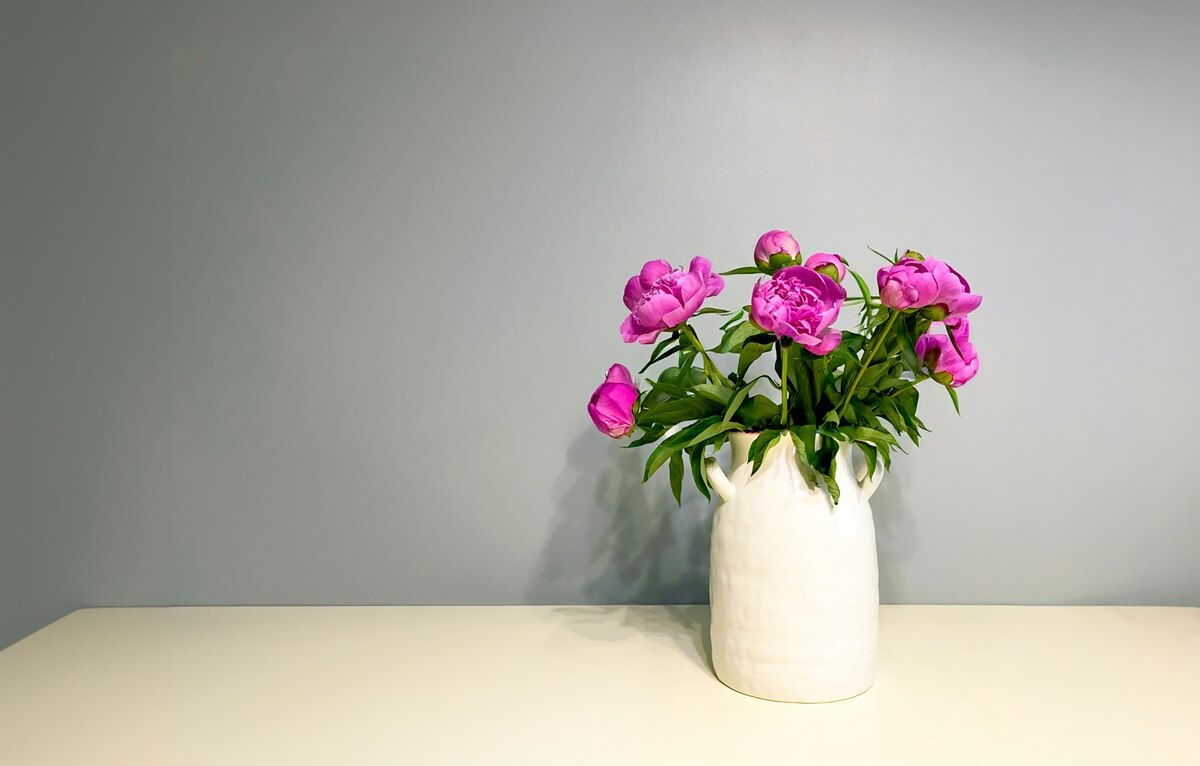
The journey of the peony as a symbolic flower of Romania reveals the intricate bond between nature and culture. From its historical roots in medicine and folklore to its place as a symbol of resilience and beauty in contemporary society, the peony is emblematic of the Romanian spirit. As this beloved flower continues to bloom in gardens and fields across the land, it serves as a poignant reminder of love, history, and the deep connections that shape the nation.
In a world that often seems disconnected, the peony stands as a steadfast symbol of unity, reminding us of the beauty that can flourish amid trials. Whether cherished in gardens, celebrated in festivals, or captured in art and literature, the peony will undoubtedly remain a cherished emblem of Romania’s rich heritage for generations to come.