Belgrade sits within striking distance of one of Europe's best-kept travel secrets. Most visitors to the Balkans plan meticulously for Dubrovnik or Sarajevo, yet just two and a half hours east of the Serbian capital lies a corner of Romania that barely makes the guidebooks — the multicultural, sun-warmed region of Banat. Travelers who once made this crossing almost always come back: it's the kind of road trip that quietly resets expectations about what European travel can feel like.
Introducción: El país de al lado que aún no has visitado
Romania is one of those destinations that people always mean to visit “eventually.” It sits on the bucket list, filed somewhere between “definitely” and “someday,” often overshadowed by the louder draws of Western Europe or the drama of Bran Castle’s Dracula legend farther east. But Romania has another entry point entirely — one that’s quiet, accessible, and genuinely unlike anywhere else on the continent.
If you’re based in or traveling through Serbia, you’re sitting at the doorstep of the Banat region, a landscape of golden plains, medieval market towns, and villages where Romanian, Hungarian, German, and Serbian cultures have been woven together for centuries. You don’t need two weeks, a grand itinerary, or a complicated visa situation (Romania welcomes EU passport holders, and most others can visit visa-free for up to 90 days). All you need is a free weekend and a road that heads east.
Una nota práctica antes de partir: si planeas utilizar Wi-Fi público en los pasos fronterizos, cafés o centros de tránsito a lo largo del camino, vale la pena hacer un rápido Descarga VPN antes de salir de casa. Los viajes transfronterizos significan saltar entre redes, y una VPN confiable mantiene tu navegación segura durante todo el viaje. — especialmente útil cuando estás reservando estancias de última hora en una casa de huéspedes mientras estás de viaje.
Día uno: Belgrado a Timișoara: cruzando hacia un mundo diferente
The drive from Belgrade to the Romanian border crossing at Vatin takes roughly an hour on a clear day. The landscape is flat and wide, the road is smooth, and the border formalities are typically fast — expect 10 to 20 minutes on a weekend morning. Once you cross, a small but noticeable shift happens: the road signs switch to Romanian, the currency changes to the Romanian Leu (RON), and the architecture starts to tell a different story.
Timișoara is your first real stop, and it earns its place on this itinerary. Just 60 kilometers from the border, it’s one of Romania’s most cosmopolitan cities — the first city in Europe to have electric street lighting, and as recently as 2023, a European Capital of Culture. Spend two to three hours here:
No es de extrañar que CNN Travel nombró a Rumania como uno de sus 25 principales destinos para visitar, llamando específicamente a Timișoara junto con otras ciudades de Transilvania como paradas destacadas para los viajeros que buscan ir más allá del circuito europeo habitual.
Al final de la tarde, salga de Timișoara y diríjase al sur o suroeste hacia los pueblos más pequeños de Banat. Aquí es donde comienza el verdadero viaje.
Day One, Evening: The Villages of Banat
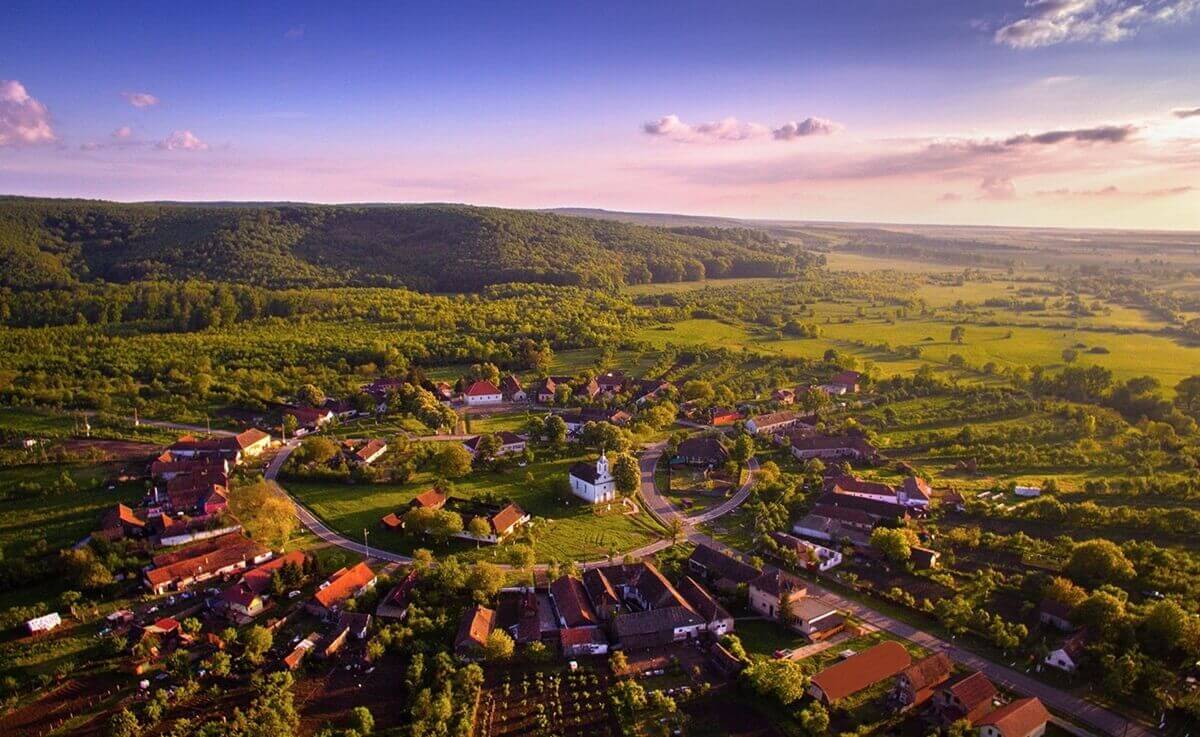
The villages of the Banat region plain don’t compete with Bran Castle or the Painted Monasteries of Bucovina for tourist attention, and that’s precisely their charm. Places like Jimbolia, Sânnicolau Mare, or Buziaș offer a version of Romania that most international travelers never find, with farmhouses with geraniums in the windows, horse-drawn carts sharing the road with tractors, and the occasional local festival spilling music out of a village hall.
For context on just how rich this part of Romania is, the site’s own guía de Banat y Crișana establece la profundidad completa de la región — desde las ruinas de la época romana hasta la arquitectura austrohúngara y ciudades balneario termales que han recibido visitantes durante siglos.
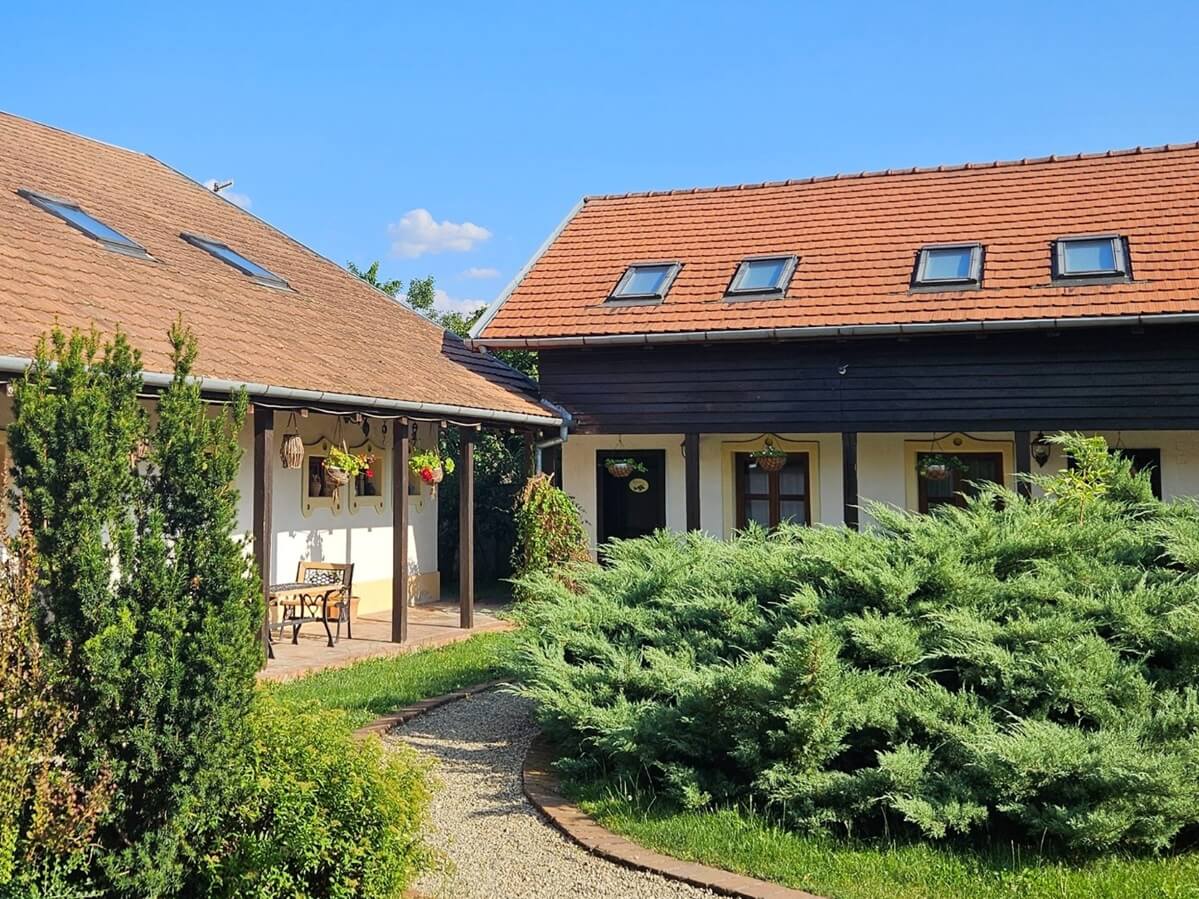
Dónde alojarse: Busque una pensiune: una casa de huéspedes rumana, típicamente familiar y asequible (Espere pagar entre 25 y 45 € por noche por una habitación doble con desayuno incluido). Booking.com y las oficinas de turismo locales enumeran muchos de estos. Las comidas suelen ser caseras y servidas al estilo familiar; decir sí a todo.
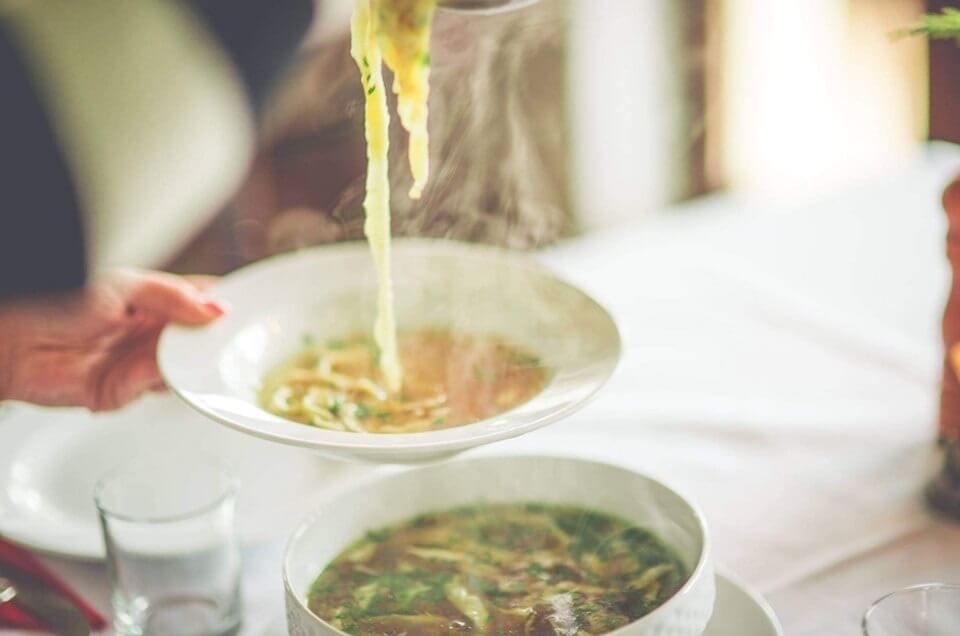
Qué hacer en una tarde de pueblo:
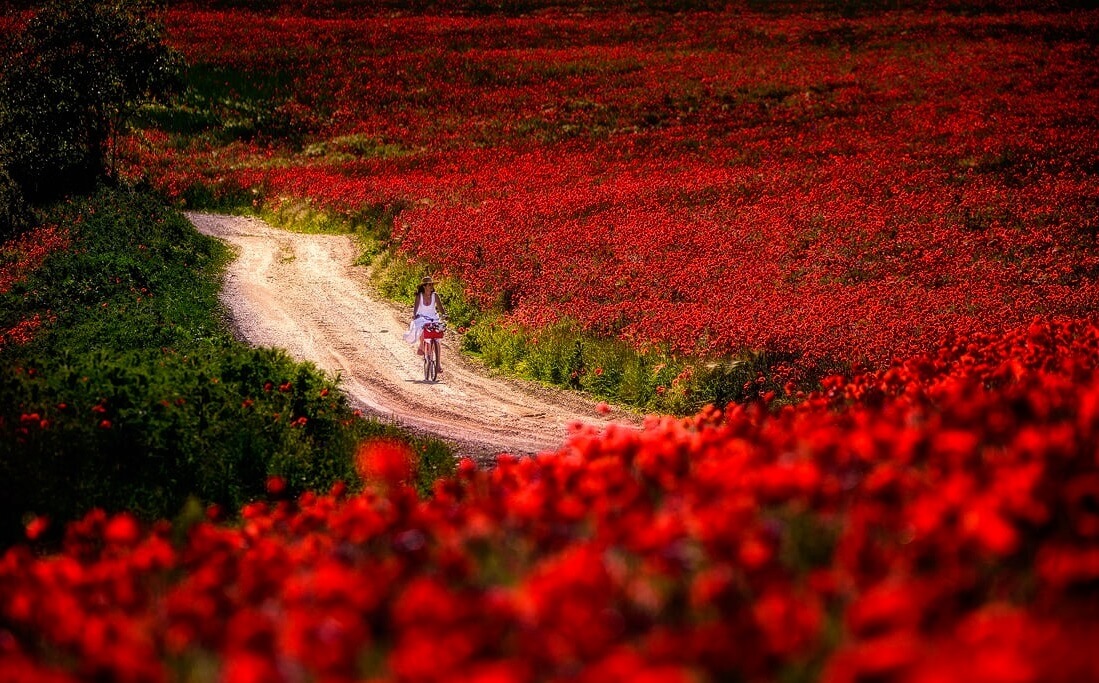
Día dos: Las montañas Banat y el viaje a casa
If one night isn’t enough (and it rarely is), extend your trip into the foothills of the Banat Mountains to the south. The town of Reșița and the surrounding Semenic-Cheile Carașului National Park offer hiking trails, dramatic limestone gorges, and waterfalls that feel like a completely different country from the plains you drove through the day before.
Para aquellos que regresan el domingo, el cruce de regreso en Vatin o el cruce de Moravița, un poco más grande, suele ser más tranquilo al final de la tarde. Podrás regresar a Belgrado a tiempo para cenar.
Practical Tips Before You Go
Conclusión: Rumania que vale la pena descubrir primero
Todo viajero experimentado tiene una versión de esta historia: el destino con el que tropezaron de lado, sin expectativas, y me enamoré completamente. Para cualquiera que viaje por los Balcanes, la región rumana de Banat es exactamente ese lugar.
No hace falta una leyenda ni un castillo famoso para justificar una visita. Tiene algo más raro: una cultura viva que respira y que no ha sido preparada para el turismo. — donde la comida es real, la hospitalidad es genuina, y el paisaje no te pide nada más que frenar y prestar atención.
Comienza con un fin de semana. Eso es todo lo que se necesita para entender por qué tanta gente que "recién pasó" terminan planeando su próximo viaje incluso antes de regresar a Serbia.
¿Estás planeando tu viaje a Rumania? Explore la región de Banat y Crișana y las secciones de Experiencias auténticas en RumaniaTourism.com para obtener más inspiración.