Belgrade sits within striking distance of one of Europe's best-kept travel secrets. Most visitors to the Balkans plan meticulously for Dubrovnik or Sarajevo, yet just two and a half hours east of the Serbian capital lies a corner of Romania that barely makes the guidebooks — the multicultural, sun-warmed region of Banat. Travelers who once made this crossing almost always come back: it's the kind of road trip that quietly resets expectations about what European travel can feel like.
Introduction: The Country Next Door You Haven’t Visited Yet
Romania is one of those destinations that people always mean to visit “eventually.” It sits on the bucket list, filed somewhere between “definitely” and “someday,” often overshadowed by the louder draws of Western Europe or the drama of Bran Castle’s Dracula legend farther east. But Romania has another entry point entirely — one that’s quiet, accessible, and genuinely unlike anywhere else on the continent.
If you’re based in or traveling through Serbia, you’re sitting at the doorstep of the Banat region, a landscape of golden plains, medieval market towns, and villages where Romanian, Hungarian, German, and Serbian cultures have been woven together for centuries. You don’t need two weeks, a grand itinerary, or a complicated visa situation (Romania welcomes EU passport holders, and most others can visit visa-free for up to 90 days). All you need is a free weekend and a road that heads east.
One practical note before you set off: if you plan to use public Wi-Fi at border crossings, cafés, or transit hubs along the way, it’s worth doing a quick VPN download before you leave home. Cross-border travel means hopping between networks, and a reliable VPN keeps your browsing secure throughout the journey — especially useful when you’re booking last-minute guesthouse stays on the road.
Day One: Belgrade to Timișoara — Crossing into a Different World
The drive from Belgrade to the Romanian border crossing at Vatin takes roughly an hour on a clear day. The landscape is flat and wide, the road is smooth, and the border formalities are typically fast — expect 10 to 20 minutes on a weekend morning. Once you cross, a small but noticeable shift happens: the road signs switch to Romanian, the currency changes to the Romanian Leu (RON), and the architecture starts to tell a different story.
Timișoara is your first real stop, and it earns its place on this itinerary. Just 60 kilometers from the border, it’s one of Romania’s most cosmopolitan cities — the first city in Europe to have electric street lighting, and as recently as 2023, a European Capital of Culture. Spend two to three hours here:
It’s no surprise that CNN Travel named Romania one of its top 25 destinations to visit, specifically calling out Timișoara alongside other Transylvanian cities as standout stops for travelers looking to move beyond the usual European circuit.
By late afternoon, leave Timișoara and head south or southwest toward the smaller villages of Banat. This is where the real journey begins.
Day One, Evening: The Villages of Banat
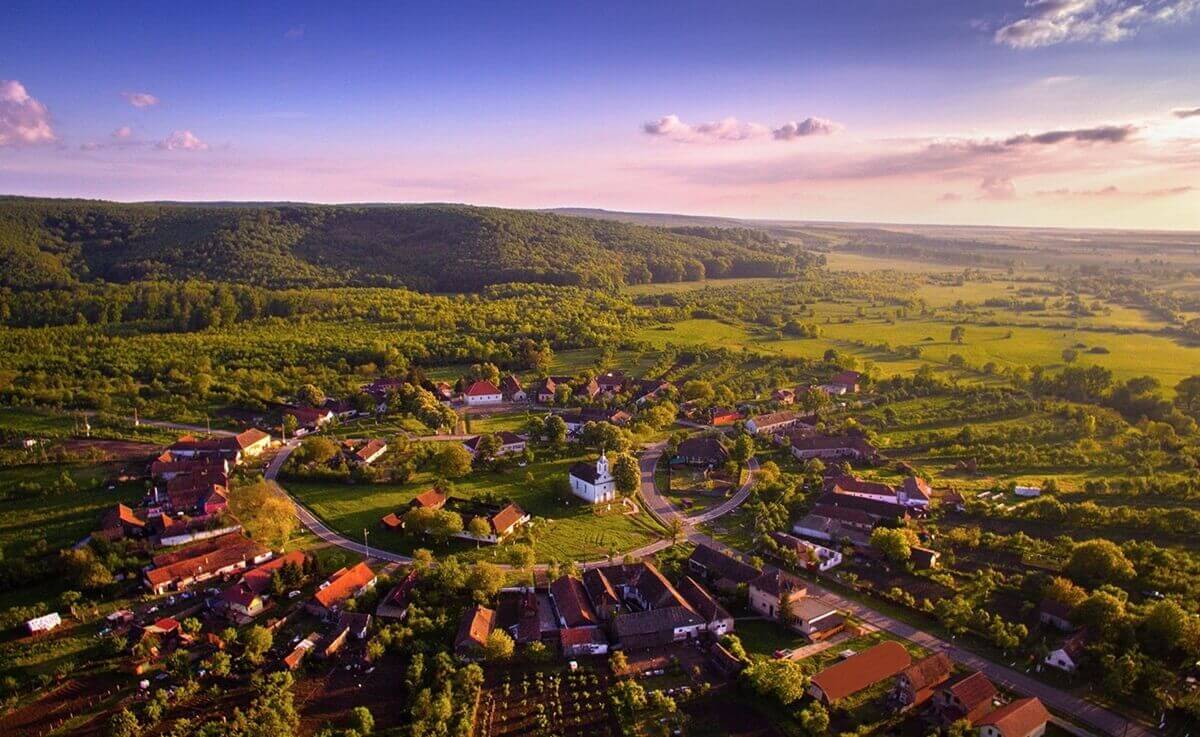
The villages of the Banat region plain don’t compete with Bran Castle or the Painted Monasteries of Bucovina for tourist attention, and that’s precisely their charm. Places like Jimbolia, Sânnicolau Mare, or Buziaș offer a version of Romania that most international travelers never find, with farmhouses with geraniums in the windows, horse-drawn carts sharing the road with tractors, and the occasional local festival spilling music out of a village hall.
For context on just how rich this part of Romania is, the site’s own guide to Banat & Crișana lays out the region’s full depth — from Roman-era ruins to Austro-Hungarian architecture and thermal spa towns that have been welcoming visitors for centuries.
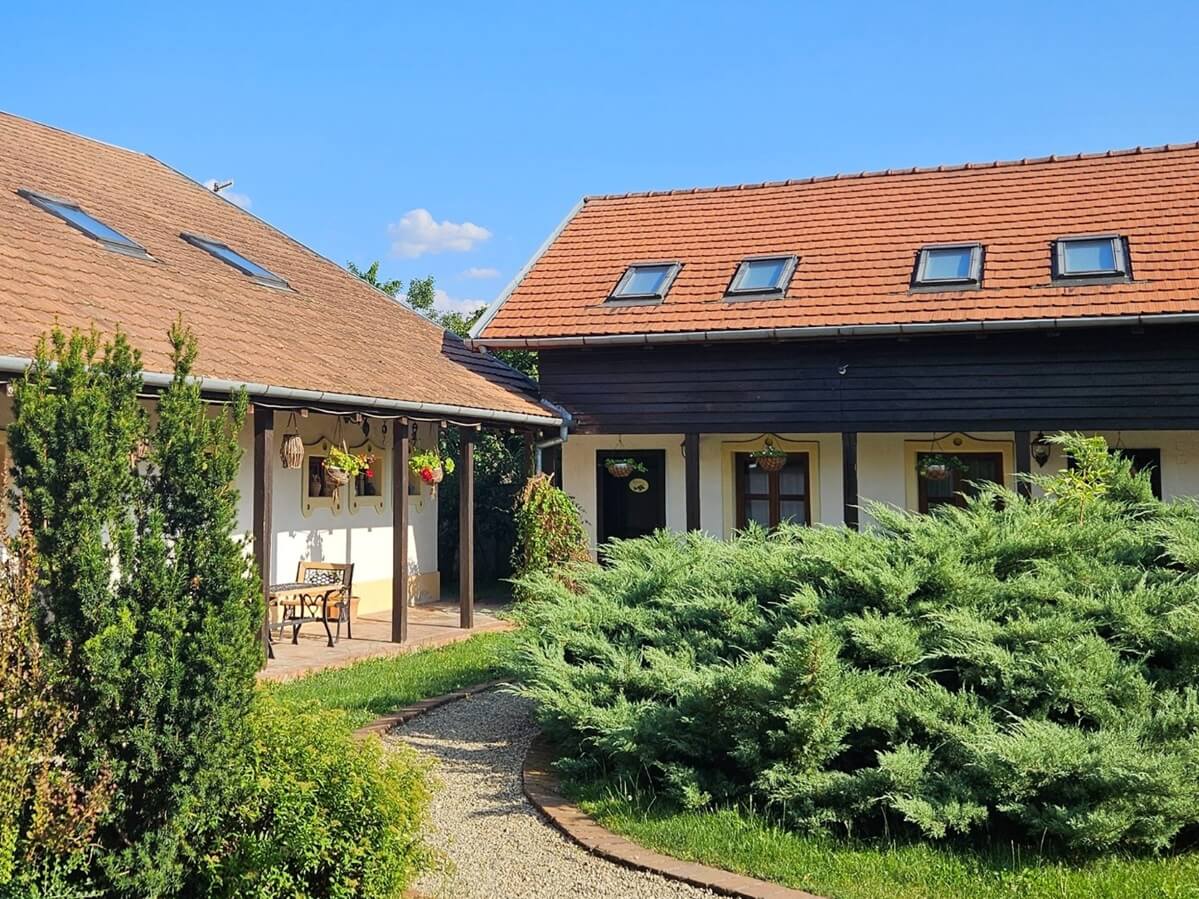
Where to stay: Look for a pensiune — a Romanian guesthouse, typically family-run and affordable (expect to pay €25–45 per night for a double room including breakfast). Booking.com and local tourism boards list many of these. Meals are often home-cooked and served family-style; say yes to everything.
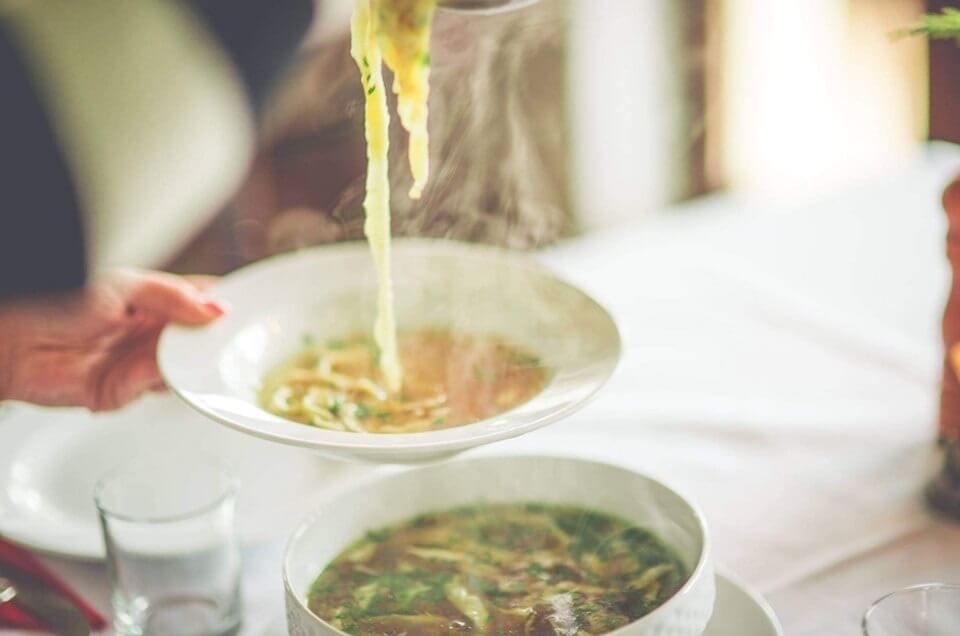
What to do on a village evening:
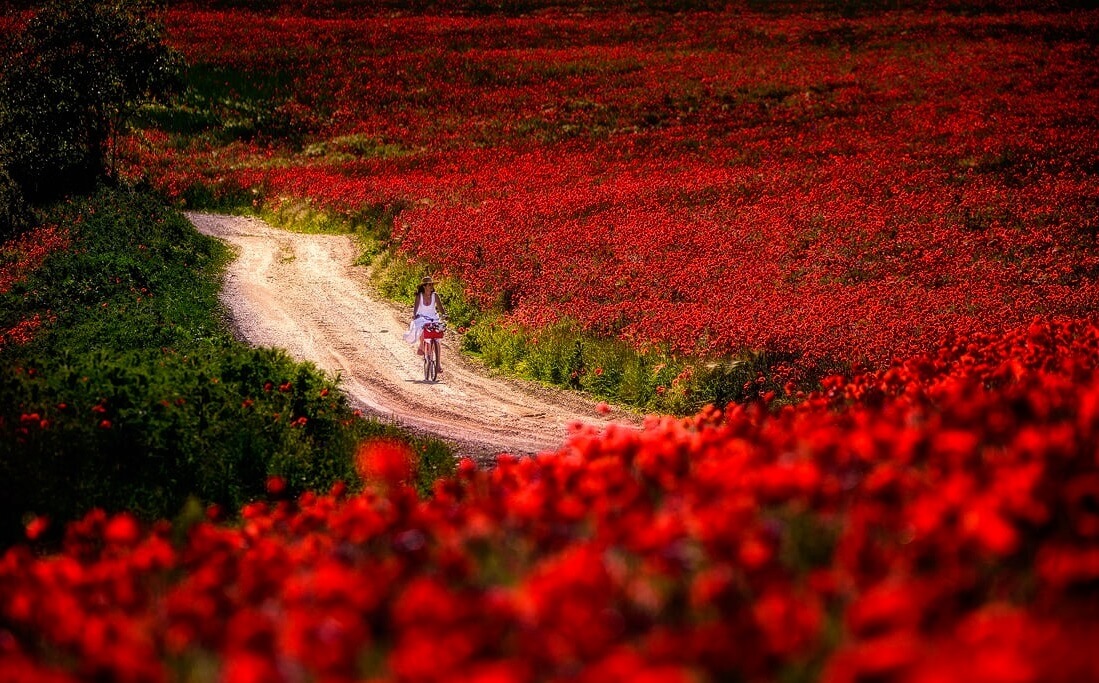
Day Two: The Banat Mountains and the Drive Home
If one night isn’t enough (and it rarely is), extend your trip into the foothills of the Banat Mountains to the south. The town of Reșița and the surrounding Semenic-Cheile Carașului National Park offer hiking trails, dramatic limestone gorges, and waterfalls that feel like a completely different country from the plains you drove through the day before.
For those heading back on Sunday, the return crossing at Vatin or the slightly larger Moravița crossing is typically quieter in the late afternoon. You can be back in Belgrade in time for dinner.
Practical Tips Before You Go
Conclusion: The Romania Worth Discovering First
Every seasoned traveler has a version of this story: the destination they stumbled into sideways, without expectations, and fell completely in love with. For anyone traveling through the Balkans, Romania’s Banat region is exactly that place.
It doesn’t need a legend or a famous castle to justify a visit. It has something rarer: a living, breathing culture that hasn’t been tidied up for tourism — where the food is real, the hospitality is genuine, and the landscape asks nothing of you except to slow down and pay attention.
Start with a weekend. That’s all it takes to understand why so many people who "just passed through" end up planning their next trip before they’ve even crossed back into Serbia.
Planning your trip to Romania? Explore the Banat & Crișana region and Authentic Experiences sections on RomaniaTourism.com for more inspiration.