Romania is a country that knows how to surprise from the first trip.
Here, medieval towns coexist with the wild nature of the Carpathians,
ancient castles with cozy villages, and the hospitality of local residents often breaks all stereotypes.
Despite the rich nature and a large number of unique architectural buildings,
to make the trip easy, comfortable, and without unpleasant surprises,
it is essential to know a few key details in advance that will help save time, money, and effort during the trip.
In this article, you will learn the top five things you need to know before traveling to Romania
— from everyday details and transportation to local habits and useful lifehacks.
#1 Internet e conexão móvel
Effective communication is the basis for a comfortable and relaxing trip when traveling in Romania. When you have the Internet at hand, you do not get lost in an unfamiliar city, you can easily use a navigator, translator, online banking, and contact your friends or loved ones at any time. That is why the issue of connecting to the network should be resolved even before arrival, and here eSIM becomes the best solution.
eSIM para Romênia
is the most convenient and modern way to provide yourself with the Internet in Romania.
You do not need to look for a service center, change your physical SIM card, or worry about its safety.
It is enough to install eSIM in advance, and the Internet will start working immediately after crossing the border.
It is worth noting that mobile Internet coverage in Romania is generally good:
communication is stable and fast in cities, tourist areas, and on major highways.
There may be interruptions in mountainous and rural areas, but even there,
SIM
geralmente é mais confiável que o Wi-Fi público.
#2 Moeda e Pagamento
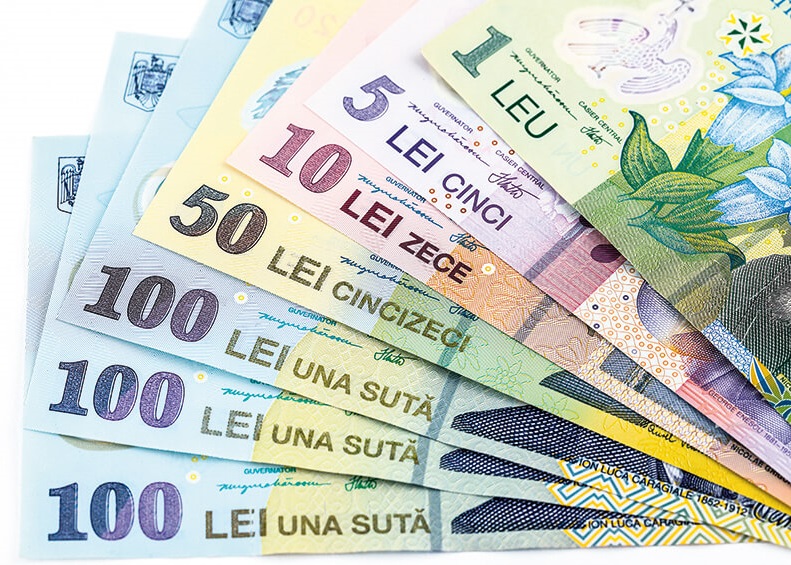
The next logical question after the connection is money and payment methods during the trip. The official currency of the country is the Romanian eu, e é isto que irá encontrar com mais frequência, mesmo que por vezes os euros sejam aceites em locais turísticos.
Nas grandes cidades, centros comerciais, restaurantes e hotéis, cartões bancários ou pagamentos sem contacto são aceites sem problemas. No entanto, fora das rotas turísticas — em pequenas cidades, mercados, zonas rurais ou transportes públicos — você precisará de dinheiro. Por conseguinte, é importante mudar de dinheiro nos serviços oficiais de câmbio ou retirar numerário dos caixas eletrônicos — são comuns e oferecem normalmente uma taxa de câmbio adequada. Ao mesmo tempo, os trocadores de rua e ofertas questionáveis devem ser evitados.
*Nota: Always specify the currency and amount before making a payment, especially in tourist places where prices may not be specified exactly.
#3 Preços e orçamento
Romania is a paradise for those who like to travel comfortably without an overloaded budget. At the same time, you will not have to deny yourself good food, comfortable accommodation, and interesting experiences. The main thing is to understand where the money is going and where you can save wisely.
Em média, o confortável orçamento diário de um turista é 40–70€ por pessoa, dependendo do estilo de viagem e das cidades selecionadas.
A comida na Roménia é barata. O almoço em um café normal custará €8 - 12, jantar em um bom restaurante — 15€ - 20€ por pessoa. Comida de rua, padarias e pequenos restaurantes — €2 - 5. O café custa cerca de €2 - 3, uma taça de vinho local — €3 - 4.
A habitação também é barata. Uma cama em um albergue custa a partir de €10 - 15, um hotel ou apartamento econômico - €30 - 50 por noite, bons hotéis de nível médio — €60 - 90. Prices are usually lower in small towns and non-tourist regions.
O transporte é acessível: um bilhete para o transporte urbano custa cerca de €0.5 - 1, trens e ônibus intermunicipais - €5 - 20, dependendo da distância. O aluguel de carro custa em média €25 - 40 por dia, mais combustível.
Atrações e entretenimento raramente atingem o orçamento. A entrada em museus e castelos geralmente custa €3 - 10, e muitos locais naturais e centros históricos são gratuitos.
#4 Tradições e mentalidade local
Conhecimento das tradições locais e das peculiaridades da mentalidade na Roménia ajuda a viajar confortavelmente e evitar situações embaraçosas. Os romenos valorizam a educação e o respeito, por isso uma simples “Olá” (Bună ziua) na entrada de uma loja ou café é percebido como um sinal de bom gosto. Ignorar uma saudação pode parecer indelicado.
It is important to take into account family and religious traditions. Many holidays, especially religious ones (such as Easter and Christmas), are widely celebrated, and on these days shops, and offices may operate on a reduced schedule, and rural areas sometimes become almost empty.
*Nota: Ao planejar uma viagem, tenha isso em mente para não acabar em uma situação em que tudo esteja fechado.
Also pay attention to table manners: don't start eating before everyone at the table has received food, and making eye contact with toasts is a sign of respect. In rural areas or small towns, people may be more conservative in their clothes and behavior. Therefore, try to avoid overly revealing clothes or loud music.
#5 A melhor época para viajar para a Romênia
A Romênia, como qualquer país europeu, tem estações distintas que podem afetar sua experiência de viagem. No entanto, há algo para ver e fazer em qualquer época do ano para todos os viajantes.
Primavera (março a maio) is a great time for those who love nature and want to avoid the crowds of tourists. Blooming gardens, green Carpathians, and mild weather make hiking and excursions especially enjoyable. Rates for accommodation and tours at this time are usually lower than in summer.
Verão (junho a agosto) is the peak tourist season. Hot days are suitable for a beach holiday on the Black Sea coast, and festivals and cultural events make the trip especially intense. The downside is crowded tourist spots and higher housing prices.
Outono (setembro-novembro) é a época das florestas douradas e dos passeios de vinho. A temporada de colheita de cogumelos e vinhos começa nos Cárpatos, e os dias claros e frescos são ideais para atividades ao ar livre. Há menos turistas, o que torna a viagem mais tranquila e confortável.
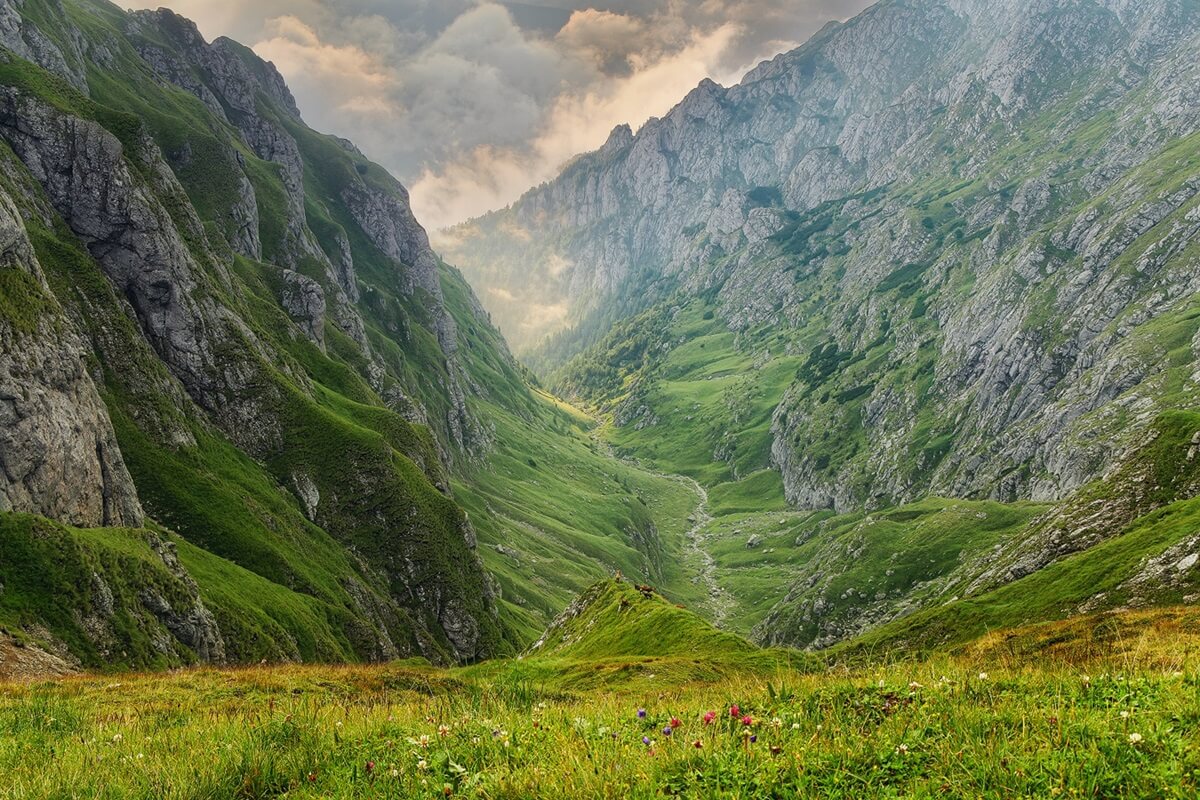
Inverno (dezembro a fevereiro) é uma época para os amantes do esqui alpino e das paisagens de inverno. Os Cárpatos estão se transformando em um verdadeiro paraíso para praticantes de snowboard e esquiadores, e os mercados de Natal nas cidades criam uma atmosfera fabulosa.
Em geral, a melhor época para visitar depende do que você quer ver e fazer. Mas lembre-se que ao planejar uma viagem é preciso levar em consideração as características sazonais para maximizar o prazer de viajar na Roménia.