Fatos rápidos sobre Sighisoara
Nome: Sighișoara (pronunciado: Veja ghee swahr' ah)
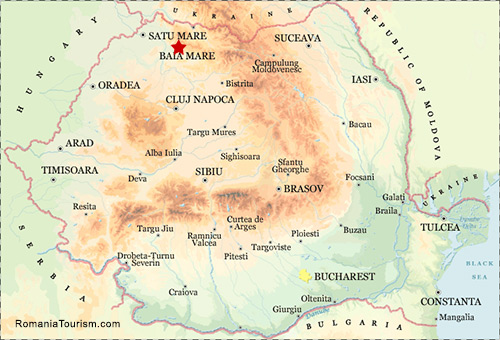
Localização: Transilvânia, Romênia Central
Aeroportos mais próximos: Targu Mures e Sibiu
Área: 3 milhas quadradas (7,12 quilômetros quadrados)
Elevação: 1.140 pés (250 metros)
População: 28,000
Documentado pela primeira vez: 1280 DC
Edifício mais antigo: Casa Vlad Dracul - meados de 1300
História de Sighisoara
The origins of Sighisoara go back to the Roman times. During the First Century AD, the Dacians (ancient inhabitants of the territory of modern Romania which eventually will develop into the Romanian people), built a fortification called Sandava. Under the Roman administration it was known as Castrum Stenarum. During the 12th century, the Transylvanian Saxons built a new citadel which was named Schäßburg. Sighisoara (Schäßburg - Schassburg ou Schäsbrich in German) still stands as one of the most beautiful and best-preserved medieval towns in Europe. Designated as a World Heritage Site by UNESCO, this perfectly intact 16th century gem with nine towers, cobbled streets, burgher houses and ornate churches rivals the historic streets of Old Prague or Vienna for atmospheric magic. It is also the birthplace of Vlad Draculea, also known as Vlad Tepes (Vlad o Empalador), governante da província de Walachia de 1456 a 1462. Foi ele quem inspirou a criação fictícia de Bram Stoker, o Conde Drácula. A casa de Vlad Draculea é apenas uma das muitas atrações aqui. Outros incluem a Igreja na Colina com seus afrescos de 500 anos, a Casa Veneziana do século XIII e a Igreja do Mosteiro Dominicana, conhecida por seu renascimento transilvânico esculpido retábulo, púlpito barroco, tapetes orientais e órgão do século XVII.
Sighisoara's citadel was built in the 12th century, when it was known as Castrum Sex (Fort Six), and was further strengthened and extended in the 15th century.
In 1298, the town was mentioned as Schespurch, while in 1367 it was called Civitas de Seguswar.
The name of Sighisoara was first mentioned in a written document issued by Vlad Dracul,
kme5s1ngcg5wvp684ccp
As sete cidadelas muradas fundadas pelos saxões da Transilvânia: Bistrita (Bistritz), Brasov (Kronstadt), , Cluj (Klausenburg), , Mídia (Mediasch), , Sebes (Mühlbach), Sibiu (Hermannstadt) e Sighisoara (Schassburg) eram chamadas, durante a época medieval, de "Siebenbürgen".
...
Vistas e pontos de referência de Sighisoara
Cidadela de Sighisoara
Cetatea Sighisoarei
Durante vários séculos, Sighisoara foi um reduto militar e político. Durante os séculos XIV e XVI,
as guildas de artesãos saxões ergueram torres ao redor das muralhas da cidadela para proteger a cidade dos ataques turcos.
Laid out on two to four levels, the towers stored ammunition and food supplies and were provided with firing windows
for cannons, shells and arrows. Of the original fourteen towers and five artillery bastions,
nine towers and two bastions have survived the test of time.
As estruturas medievais que resistiram ao longo dos séculos incluem as fortes muralhas defensivas e nove torres:
Torre dos Sapateiros (Turnul Cizmarilor),
Torre dos Ferreiros (Turnul Fierarilor),
Torre dos Açougueiros (Turnul Macelarilor),
Torre dos Peleteiros (Turnul Cojocarilor),
Torre dos Cordeiros (Turnul Franghierilor),
Torre dos Alfaiates (Turnul Croitorilor),
Torre dos Curtidores (Turnul Tabacarilor) e
Torre dos Funileiros (Turnul Cositorilor) - ainda são visíveis vestígios do cerco de 1704.
A Torre do Relógio (Turnul Ceasului) em si.
Sul da Transilvânia, viagem de dois dias, começando em Bucareste
Duração: dois dias / uma noite
Itinerário:Bucareste - Sinaia - Brasov - Sighisoara (pernoite) - Bran - Bucareste
Highlights: Peles Castle - Sinaia, Brasov, Sighisoara medieval citadel, Bran (Dracula's) Castle
Reserve este passeio
Praça da Cidadela de Sighisoara
Piata Cetatii
Esta pequena praça pitoresca fica no coração da cidadela.
Antigamente, aqui aconteciam feiras de rua, feiras de artesanato, execuções públicas e julgamentos de bruxas.
A partir desta praça você pode acessar facilmente as principais atrações de Sighisoara.
A Torre do Relógio
Turnul cu Ceas
Endereço: Estrada Turnului
Horário:
| ... | Ter. - Sex. | Sáb. - Sol. |
| 15 de maio a 15 de setembro | 9h - 18h30 | 10h - 17h30 |
| 16 de setembro - 14 de maio | 9h - 15h30 | 10h - 15h30 |
One of Sighisoara's main points of attraction is the Clock Tower, also known as the Council Tower, built in the second half of the 14th century and expanded in the 16th century. The four small corner turrets on top of the tower symbolized the judicial autonomy of the Town Council, which could apply, if necessary, the death penalty.
Depois de um incêndio em 1676, quando os depósitos de pólvora da cidade localizados na Torre dos Alfaiates explodiram,
Artistas austríacos reconstruíram o telhado da torre no seu actual estilo barroco e, em 1894, foram acrescentados azulejos coloridos.
No século XVII, foi instalado no topo da torre um relógio de duas placas, com estatuetas esculpidas em madeira de tília, com um mostrador voltado para a Cidade Baixa (Orasul de Jos), e o outro voltado para a cidadela (acetato em romeno, bairro em alemão). As figuras, movidas pelo mecanismo do relógio, representam um carácter diferente. No lado citadela vemos Paz segurando um ramo de oliveira, acompanhado por um baterista que está batendo as horas em seu tambor de bronze; acima deles está Justiça, com um conjunto de balanças, e Lei, empunhando uma espada, acompanhado por dois anjos representando Dia e Noite. Às 6 da manhã, aparece o anjo simbolizando o dia, marcando o início do dia de trabalho e às 6 da tarde, o anjo simbolizando a noite saindo carregando duas velas acesas, marcando o fim do dia de trabalho.
The dial overlooking the Lower Town features a set of seven figurines, each representing the pagan gods who personified the days of the week: Diane (Monday), Mars (Tuesday), Mercury (Wednesday), Jupiter (Thursday), Venus (Friday), Saturn (Saturday) and the Sun (Sunday).
The spire of the tower ends in a small golden sphere.
At the top, there is a meteorological cock, which, turned around by air currents, forecasts the weather.
A Torre do Relógio serviu de ponto de encontro da Câmara Municipal até 1556.
Desde 1899, abriga o Museu de História.
From the top of the Clock Tower, visitors can see the entire Old Town with its intact, red-tiled roof,
16th century Saxon houses lining the narrow cobblestone streets.
Today, merchants and craftsmen still go about their business, as they did centuries ago.
Igreja do Mosteiro Dominicano
Biserica Manastirii Dominicana
Endereço: Piata Cetatii
Not far from the Clock Tower stands the Church of the Dominican Monastery.
First attested in a document in 1298 as part of a Dominican monastic settlement,
the church became the Saxons' main Lutheran church in 1556.
The monastic complex demolished in 1888 and its place was taken by the present town hall.
Only the church has remained from the original structure.
A igreja do salão, construída em um estilo típico pós-gótico, com duas salas e duas fileiras de colunas,
A igreja foi reconstruída no século XV e novamente após o grande incêndio de 1676.
As últimas reparações ocorreram em 1894 e 1929, quando a igreja recebeu sua aparência atual.
Dentro da igreja, você pode admirar algumas obras de arte valiosas, como o tipo de letra de bronze de 1440.
O quadro da porta de pedra, esculpido no estilo renascentista da Transilvânia em 1570, foi construído na parede norte da igreja.
Uma coleção de tapetes orientais dos séculos XVI e XVII, um órgão barroco e uma bela pintura do altar de 1680.
Muitos concertos clássicos e barrocos são realizados aqui.
Igreja na Colina
Biserica din Deal (Bergkirche em alemão)
Endereço: Estrada Cojocarilor 3
Aberto: diariamente, das 10h às 18h.
Taxa de admissão
To the north of the Clock Tower stands one of the most representative gothic-style structures in Transylvania, the Church on the Hill - so called because of its location on the top of citadel's highest hill. First mentioned in a document in 1345 and superposed on a former Roman basilica, its construction lasted almost 200 years.
Inicialmente uma igreja católica, tornou-se a principal igreja dos habitantes saxões de Sighisoara, que mudaram do catolicismo romano para o luteranismo após a Reforma de 1547.
Uma restauração recente trouxe de volta fragmentos de alguns dos afrescos originais do final do século XV.
Fragmentos de murais do final do século XIV lindamente restaurados e móveis em estilo renascentista podem ser admirados na igreja. A peça de altar gótica dedicada a São Martinho data de 1520 e foi pintada por Johann Stoss, filho do renomado escultor Veit Stoss de Nuremberg. Os três brasões entalhados em madeira, encontrados nas antecâmaras das naves laterais, pertenciam a Mathias Corvin e sua esposa, Beatrix, o príncipe transilvano Stephen Bathory de Nyir (1479-1493) e o rei da Polônia e da Hungria, Vladislav III. A igreja é alcançada por uma escada de madeira coberta conhecida como Scara Scolarilor (Escada dos Alunos - escada coberta de acesso à escola e igreja). Em frente à igreja fica a entrada principal do sereno cemitério saxão (aberto diariamente das 8h às 20h).
Escada dos Alunos
Scara Scolarilor
Endereço: Strada Scolii
Localizada no final do Strada Scolii (the School Street), Students' Stair connects citadel's Main Square with the Church and School on the Hill. Built in 1642, the Students' Stair (or Schoolboys' Stair) - a covered stair-passage - facilitates access the school and church and protect school children and church-goers, from the elements. It was initially ment to connect the lower section and the upper section of the citadel. 176 steps of the initial 300 are still in use today.
Casa Vlad Dracul
Casa Vlad Dracul ou Vlad Draculea
Endereço: Strada Cositorarilor 5
Vlad Dracul House is located in the Citadel Square, close to the Clock Tower.
This ochre-colored house is the place where Vlad Tepes, the inspiration for Bram Stoker's famous Dracula, was born in 1431 and lived with his father, Vlad Dracul, until 1435 when they moved to Targoviste. A wrought-iron dragon hangs above the entrance. The ground floor of the house serves as a restaurant, while the first floor is home to the Museu de Armas.
Por seus feitos, a Ordem do Dragão foi concedida a ele, daí o título Drácula
(a palavra latina para dragão é draco).
While in medieval lure dragons served as symbols of independence, leadership, strength and wisdom,
the biblical association of the devil with the serpent that tempted Adam and Eve,
gave the snake-like dragon connotations of evil.
Thus, the Romanian word Drácula significa em inglês dragão e diabo.
Drácula, o sobrenome de Vlad Tepes (o Empalador), significa Filho do Dragão.
Casa de veado
Casa com Cerb
Endereço: Strada Scolii 1
Built in the 17th century in Transylvanian renaissance style,
the Stag House draws its name from the stag skull set on one of the corners of its façade.
Recent restorations revealed an external mural depicting the stag's body.
Nowadays, the building houses a hotel, with a ground floor that doubles as a cellar bar.
Casa Veneziana
Casa Venetiana
Endereço: Strada Cositorarilor 5
Built in the 16th century, the house was later restored in Venetian gothic style
with the upper part of the windows forming a three-lobe arch.
Torres da Cidadela de Sighisoara
Turnurile Cetatii Sighisoara
O muro de defesa de meia milha foi inicialmente fornecido com 14 torres,
dos quais nove foram preservados até hoje. Entre os mais impressionantes estão:
Torre dos Cordeiros
Turnul Franghierilor
Dating from the 13th century and standing above the pre-Saxon citadel walls,
Ropemakers' Tower is one of the oldest buildings in Sighisoara.
Its role was to defend - together with the Goldsmiths' Tower - the northwest corner of the hill.
Nowadays, the tower is the home of the caretaker of the Saxon cemetery, located next to the Church on the Hill.
Torre dos Alfaiates
Turnul Croitorilor
This imposing tower was raised in the 14th century by the richest guild in town.
Initially as tall as the Clock Tower, its upper part was destroyed in the 1676 fire,
when the town's gunpowder deposits, located here, exploded.
Tailors' Tower, with its two vaulted galleries which used to have huge oaken gates with an iron lattice,
also serves as the second access road into the citadel.
Torre dos Sapateiros
Turnul Cizmarilor
dating from the mid-16th century but it was rebuilt from scratch in 1650.
The tower bears the influence of baroque architecture, featuring a hexagonal base with sides of different lengths.
Its roof, resembling a pointy helmet, houses a small observation tower.
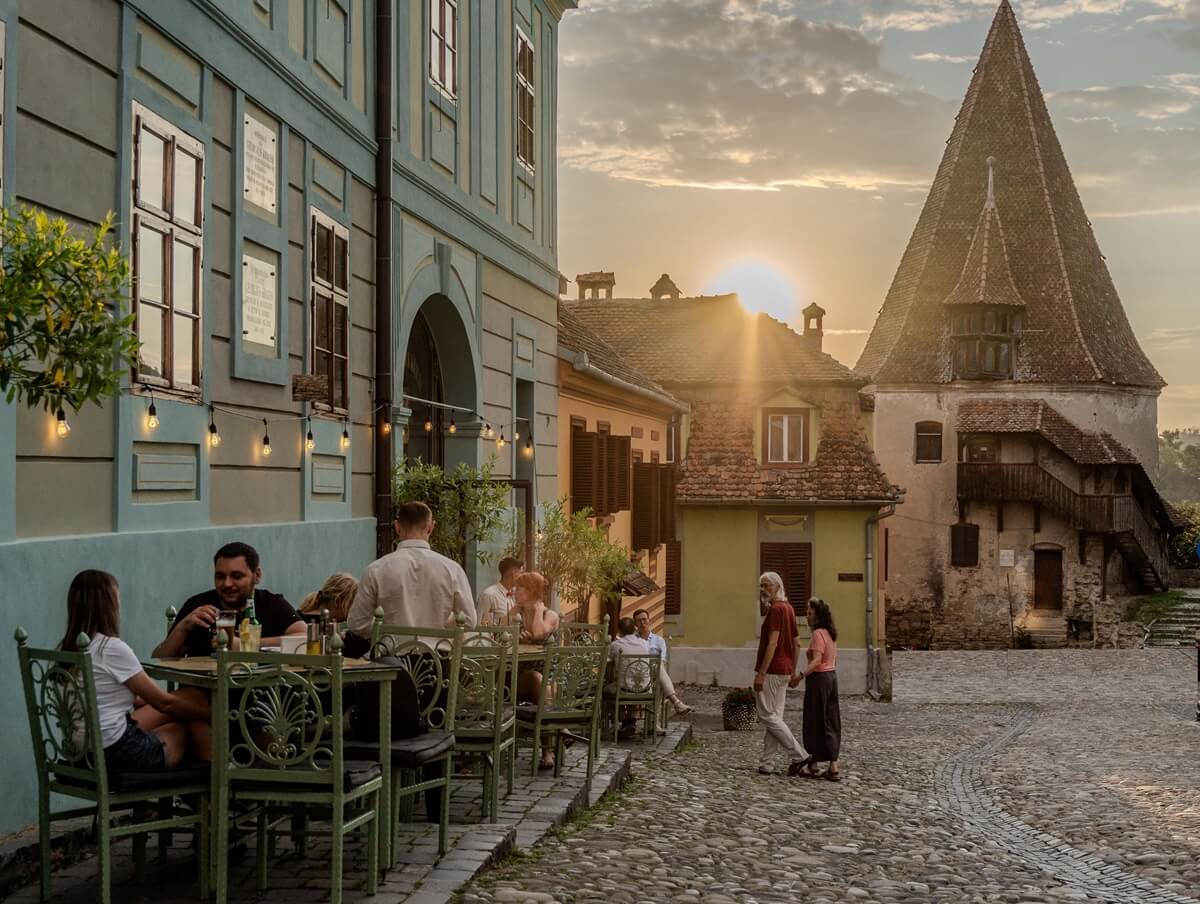
Cidade Baixa de Sighisoara
Orasul de Jos
Lack of water and supplies made life in the Citadel quite difficult at times.
By comparison, living conditions in the Lower Town, which had started to develop at end of the 15th century, were much better.
Today, the Lower Town, less picturesque than the Citadel area, centers around Hermann Oberth Square (Piata Herman Oberth)
and Strada 1 Decembrie. Here, you can admire 17th century houses.
Igrejas Históricas de Sighisoara
Igreja dos Leprosos
Biserica Leprosilor
Endereço: Estrada Stefan cel Mare 34
Located in the Lower Town on the Tarva River bank, this small 15th century gothic church served as the lepers' asylum chapel between 1647 and 1684. Since the lepers were not allowed to enter the church, an outer pulpit was installed from which the Gospel was preached to the sick.
A Catedral Ortodoxa
Catedrala Ortodoxa Sighisoara
Sighisoara Orthodox Cathedral is located on the northern bank of river Tarnava Mare.
Built between 1934 and 1937, in Byzantine style,
this place of worship beatures beautiful black and white frescoes.
Igreja Católica Romana de São José
Biserica Romano-Catolica Sf. Iosif
Endereço: Strada Zidul Cetatii
Construída em estilo eclético em 1894, a igreja passou por grandes restaurações após um incêndio em 1983.
O órgão atual, projetado por Karl Einschenk em 1908, foi trazido de uma igreja saxônica perto de Sighisoara.
...
Museus de Sighisoara
Museu de História de Sighisoara
Museu de Istorie Sighisoara
Endereço: Piata Muzeului 1
Tel: (+4) 0265 771.108
E-mail
Housed in the Clock Tower (also called "Tower of the Hours"), Sighisoara History Museum displays rich archeological collections,
farmacy and medical instruments, art, medieval furniture, musical instruments, guild symbols and tools, ethnographic artifacts,
textiles, ceramics, old clocks and coins.
Fatos sobre a Torre do Relógio de Sighisoara:
| Ano de construção: | meados de 1300 |
| Altura: | 210 pés. |
| Espessura das paredes (primeiro andar): | 8 pés. |
| Nº de níveis: | 6 |
| # de etapas até o topo | 110 |
| Horário: | ... |
| 15 de maio a 15 de setembro | Ter. - Sex.: 9h às 18h30 Sáb. - Dom.: 10h - 17h30 |
| 16 de setembro - 14 de maio | Ter. - Sex.: 9h às 15h30 Sáb. - Dom.: 10h00 - 15h30 |
A Sala de Tortura
Câmera de Tortura
Endereço: Piata Muzeului 1
Tel: (+4) 0265 771.108
This small but interesting museum is housed at the foot of the Clock Tower
in the very room where prisoners were tortured and confessions were extorted during the Middle Ages.
Some of the amazing torture instruments and methods are on display.
Coleção de Armas Medievais
Coleção de Armas Medievais
Endereço: Piata Muzeului 1
Tel: (+4) 0265 771.108
Housed on the first floor of the house in which Vlad the Impaler (Vlad Draculea) was born,
the museum features an array of medieval weapons, showcasing the development of weapons
used in and around the town throughout the ages.
Also on display is a portrait of Michael Freiherr von Melas (1731-1806).
Nascido em Sighisoara, Michael Freiherr von Melas tornou-se general das tropas montadas austríacas
e lutou contra o exército de Napoleão Bonaparte em Marenga (14 de junho de 1880).
...
Atrações perto de Sighisoara
Igreja Fortificada de Saschiz
Onde: 10 milhas a leste de Sighisoara
Acesso: carro, ônibus, trem
Igreja Fortificada de Saschiz informações
Igreja Fortificada de Biertan
Onde: 18 milhas a oeste de Sighisoara
Acessos: carro, bicicleta
Igreja Fortificada de Biertan informações
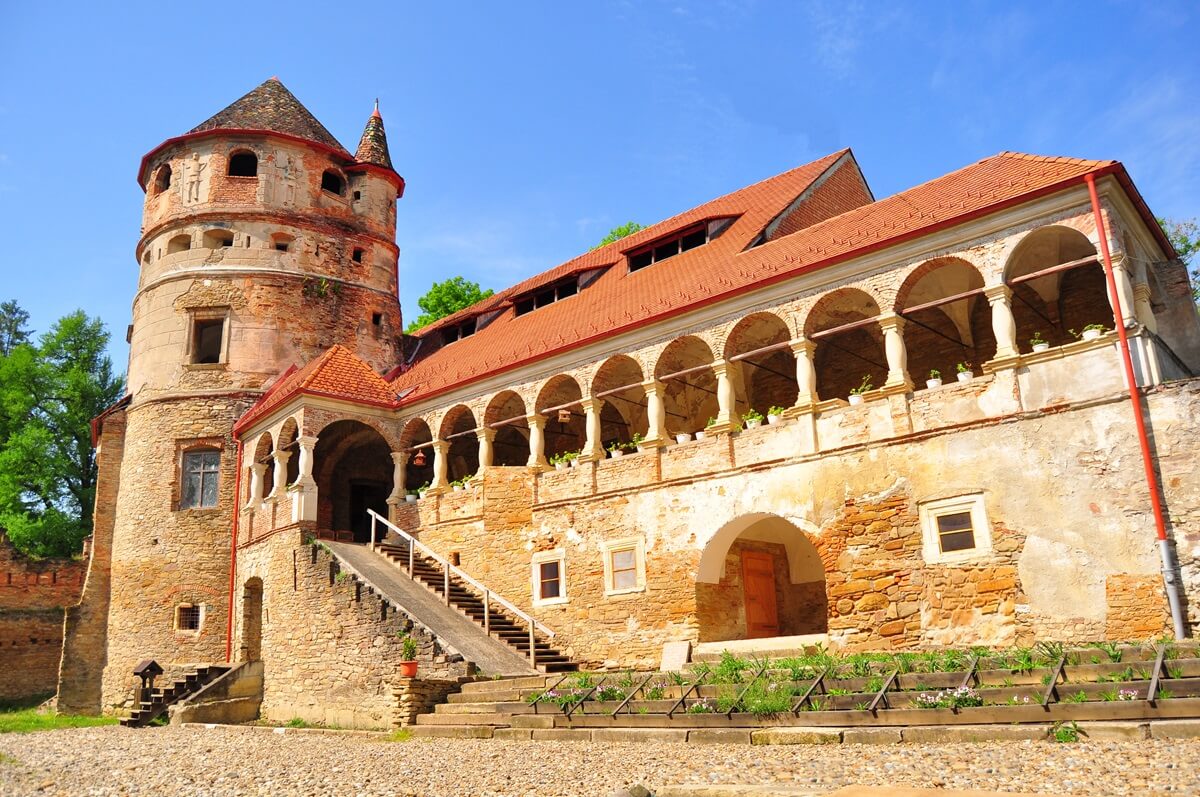
Bethlen - Cris Castelo
Onde: 19 quilômetros a sudoeste de Sighisoara
Acessos: carro, ônibus
Considered by many as the most beautiful Renaissance-style residence in Transylvania,
Bethlen - Cris Castle was erected in the 14th Century.
Several additions and remodeling occured in the 15th to 17th centuries.
Much of the original elegance and features:
loggias, bastions, the massive Gate and Archers’ Towers are still present.
Horário: 10h às 16h, diariamente.
Bethlen - Cris Castelo mais informações
Cidade de Targu Mures
Onde: 34 milhas ao norte de Sighisoara
Acesso: carro, ônibus, trem
Targu Mures informações
...
Viagens de um dia saindo de Sighisoara
Aldeia Malancrav
Onde:
15 milhas a sudoeste de Sighisoara
Acessos: carro, ônibus, bicicleta
Aldeias Biertan e Richis
Onde: sudoeste de Sighisoara, 45 milhas (ida e volta)
Acessos: carro, ônibus
Igreja Fortificada de Biertan informações
Aldeias Saschiz e Rupea
Onde: ao sul de Sighisoara, 68 milhas (ida e volta)
Acesso: carro, ônibus, trem
Igreja Fortificada de Saschiz informações
Cidade de Mídia
Onde: 20 milhas a sudoeste de Sighisoara
Acessos: carro, ônibus, trem
Mídia informações
Cidade de Sibiu
Onde: 54 milhas a sudoeste de Sighisoara
Acesso: carro, ônibus, trem
Sibiu informações
Aldeia Viscri
Onde: 25 milhas a sudeste de Sighisoara
Acesso: carro
Igreja Fortificada de Viscri informações
Sighisoara - Adega Vila Vinea (Mica) -- Targu Mures -- Adega Liliac (Batos) - Sighisoara
Ótimos vinhos e excelente arquitetura da Secessão
Onde: norte de Sighisoara, 130 milhas (ida e volta)
Acessos: carro, ônibus
Adega Vila Vinea informações,
Vinícola Lilíaca informações
Igrejas Fortificadas Harman e Prejmer
Onde: 65 milhas a sudeste de Sighisoara
Acesso: carro, trem para Brasov e ônibus de Brasov para Harman
Harman informações
Cidade de Brasov
Onde: 72 milhas a sudeste de Sighisoara
Acesso: carro, ônibus, trem
Brasov informações
Castelo de Bran (Drácula)
Onde: 150 quilômetros a sudeste de Sighisoara
Acesso: carro, trem para Brasov e ônibus de Brasov para Bran
Castelo de Bran informações
...
Festivais e eventos em Sighisoara
Os festivais que acontecem, todos os anos, em Sighisoara incluem:
~ Março: Festival de Blues de Sighisoara
~ último fim de semana de julho: Festival de Artes e Ofícios Medievais
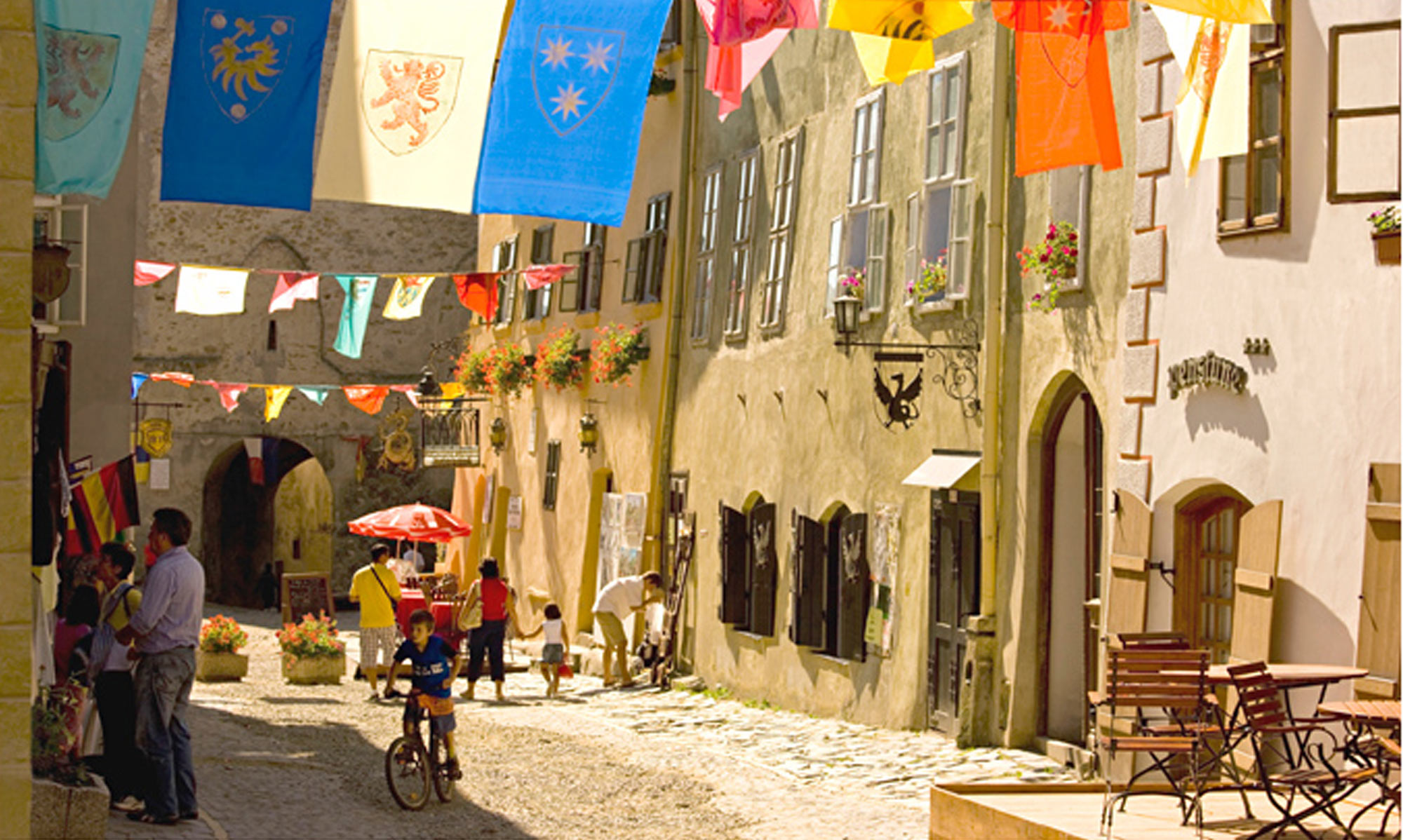
Sighisoara medieval atmosphere, complete with troubadour music and costume parades, street entertainers and handicraft displays,
open-air concerts and medieval ceremonies is recreated every July in the Citadel.
The event offers attendees a chance to immerse themselves in the lore and legends of medieval Transylvania.
~ Agosto: ProÉtnica Festival das Minorias Étnicas)
...
INFORMAÇÕES DE PLANEJAMENTO DE VIAGEM PARA SIGHISOARA
Transporte
Transporte aéreo para SighisoaraOs aeroportos mais próximos de Sighisoara são:
Targu Mures (TGM) - 30 milhas ao norte
Sibiu (SBZ) - 54 milhas a oeste
Brasov (GHV) - 72 milhas sudeste
Cluj-Napoca (CLJ) - 90 milhas a noroeste
Viagem de trem para Sighisoara
Estação Ferroviária de Sighisoara
Gara Sighisoara
Endereço: Av. Libertação 51
Tel: (+4) 0265 771.130
Existem trens diários de/para Bucareste, Arad, Brasov, Cluj-Napoca, Oradea, Satu Mare
e várias outras cidades da Roménia, bem como de Budapeste (Hungria).
Para verificar os horários dos trens de/para Sighisoara, visite
Turismo na Romênia Seção de transporte.
Para partidas de Bucareste selecione Bucuresti Norte
...
Transporte de ônibus intermunicipal de Sighisoara
Sighisoara Inter-City Bus Stations (international & domestic routes):
Rodoviária nº 1
Autogara 1 Sighisoara (ponto de ônibus Cambus)
Endereço: Av. Libertação 53
(perto da estação ferroviária)
Rodoviária nº 2
Autogara 2 Sighisoara
Endereço: Av. Morii 21
Empresas de ônibus - Rotas Internacionais - servindo Sighisoara:
Atlassib
Endereço: Av. Morii 21
Tel: (+4) 0265 777.249
Serviço diário de ônibus para diversos países da Europa.
Agente Pletl
Endereço: Av. O. Goga 6
Tel: (+4) 0265 778.887
Serviço diário de ônibus para Áustria e Alemanha.
...
Chegando a Sighisoara de carro A rota mais rápida de Bucareste para Sighisoara é pela estrada E60:
Bucareste - Ploiesti - Sinaia - Brasov - Rupea - Sighisoara
Uma rota alternativa - verão - panorâmica de Bucareste a Sighisoara é a rota 7C
- o Transfagarasan estrada panorâmica:
Bucareste -- Pitesti –- Curtea de Arges –- Carta –- Noul Roman -- Agnita -- Sighisoara
(a estrada está aberta de 1º de julho a 31 de outubro, se o tempo permitir)
| Distância rodoviária de/para Sighisoara: | |
|---|---|
| Cidade/município | Distância (milhas) |
| Bucareste | 170 |
| Arade | 210 |
| Brasov | 75 |
| Budapeste | 370 |
| Cluj-Napoca | 90 |
| Constança | 300 |
| Iasi | 185 |
| Oradea | 180 |
| Sibiu | 55 |
| Sighetu Marmatiei | 160 |
| Suceava | 160 |
| Targu Mures | 35 |
| Timisoara | 205 |
| Viena | 520 |
...
Aluguel de carro em SighisoaraÓtimas tarifas de aluguel de automóveis em Sighisoara.
Inchirieri Sighisoara
Telefone: (+4) 0744 759 433
Alugue um carro Sighisoara
Telefone: (+4) 0744 759 433
...
As empresas de táxi locais em Sighisoara incluem:
| Empresa de táxi | Telefone # |
|---|---|
| Táxi chique | 0740 779.000 |
| Táxi Sighisoara | 0740 688.312 |
| Táxi Nova | 0265 779.000 |
| OK Táxi | 0265 770.020 |
| Táxi Real | 0265 778.899 |
| Táxi Real | 0265 777.776 |
| Táxi TransAldea | 0265 777.785 |
...
Alojamento em Sighisoara

As acomodações em Sighisoara incluem:
| Nome do hotel | Turma | Localização |
|---|---|---|
| Frônio | boutique | Cidadela de Sighisoara |
| Sighisoara | três estrelas / escala média | Cidadela de Sighisoara |
| Casa com Cerb | boutique | Cidadela de Sighisoara |
| Mercure Sighisoara Binderbubi | quatro estrelas / escala média | 0,7 km ao sul da Cidadela de Sighisoara |
| Parque Central | quatro estrelas / escala média | 0,2 milhas ao sul da Cidadela de Sighisoara |
| Árvore Dupla | quatro estrelas / escala média | 0,4 milhas a nordeste da Cidadela de Sighisoara |
| Casa Georgius Krauss | boutique | Cidadela de Sighisoara |
| Avenida | quatro estrelas / escala média | 0,2 milhas a leste da Cidadela de Sighisoara |
| Casa Savri | três estrelas/escala média | 0,2 milhas a leste da Cidadela de Sighisoara |
| Castel Ugron | boutique | 19 quilômetros a leste da Cidadela de Sighisoara |
...
Informações Turísticas de Sighisoara
Centro de Informações Turísticas de Sighisoara - Torre do Relógio
Endereço:
Torre do Relógio de Sighisoara - Piaţa Muzeului 1
Gabinete de Promoção Turística de Sighisoara
Centro Nacional de Informação e Promoção Turística - Sighisoara
Endereço: Av. Otaviano Goga 8
Telefone: (+4) 0365 882.937
E-mail
...
Autoridades Locais de Sighisoara
Câmara Municipal de Sighisoara
Primária Sighisoara
Endereço: Piata Muzeului 7
Telefone: (+4) 0265 771.280
Departamento de Turismo da Câmara Municipal de Sighisoara
Primaria Sighisoara - Departamento de Turismo
...
Correio Principal de Sighisoara
Oficial Postal Sighisoara
Endereço: Av. Oberth Hans 16 - 18
Tel: (+4) 0265 772.055
Aberto: de segunda a sexta, das 7h às 20h.
Placas dos correios exibem a palavra POSTA.
Telefonando para Sighisoara do exterior
Código de acesso internacional +4 (código do país) + 0265 ou 0365 (código de área) + número de telefone de seis dígitos
...
Sighisoara - Emergência Geral #: 112
(Ambulância, Polícia, Corpo de Bombeiros)
Hospital Municipal de Sighisoara
Spitalul Municipal Sighisoara
Endereço: Av. Zaharia Boiu 40
Telefone: (+4) 0265 771.451
...
Mapas
Mapa de Sighisoara -- Harta Cetatii Sighisoara
Mapa interativo de Sighisoara -- Harta Interactiva a orasului Sighisoara
Mapas da Romênia -- Harti ale Romaniei