Romania is a country that knows how to surprise from the first trip.
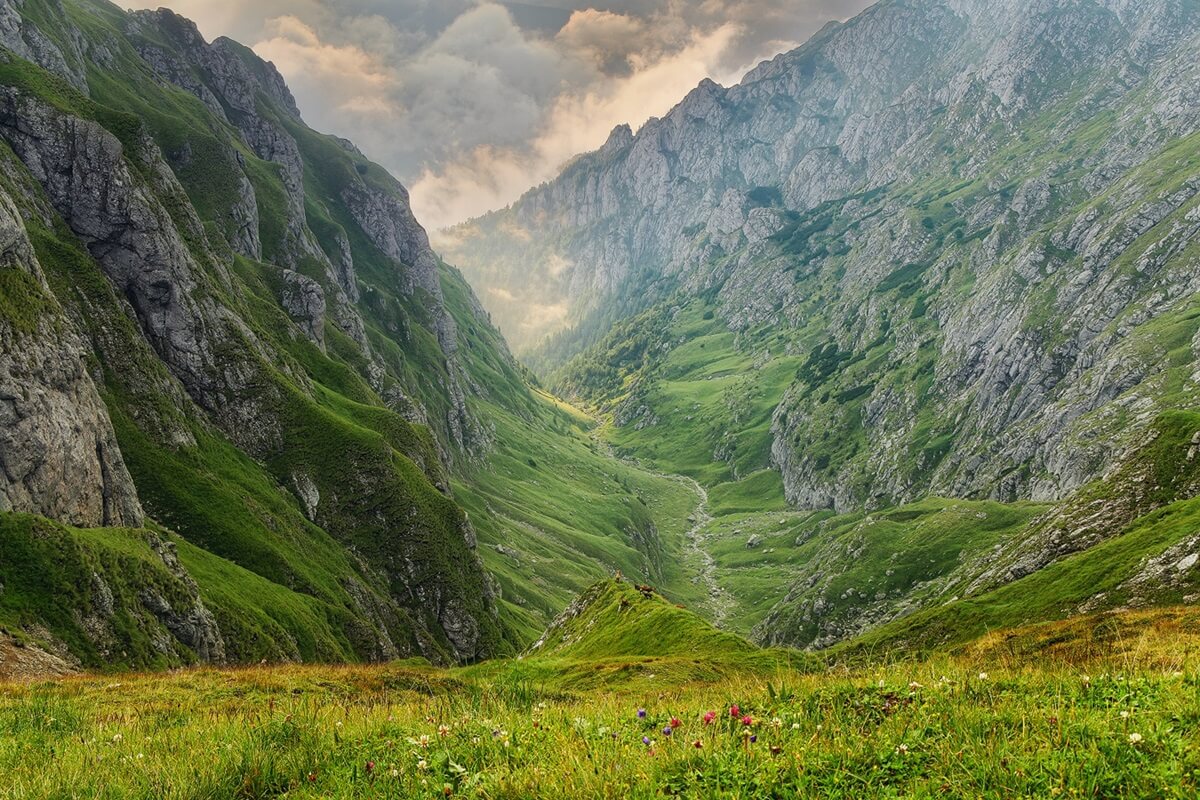
Here, medieval towns coexist with the wild nature of the Carpathians,
ancient castles with cozy villages, and the hospitality of local residents often breaks all stereotypes.
Despite the rich nature and a large number of unique architectural buildings,
to make the trip easy, comfortable, and without unpleasant surprises,
it is essential to know a few key details in advance that will help save time, money, and effort during the trip.
In this article, you will learn the top five things you need to know before traveling to Romania
— from everyday details and transportation to local habits and useful lifehacks.
#1 Internet & Mobile Connection
Effective communication is the basis for a comfortable and relaxing trip when traveling in Romania. When you have the Internet at hand, you do not get lost in an unfamiliar city, you can easily use a navigator, translator, online banking, and contact your friends or loved ones at any time. That is why the issue of connecting to the network should be resolved even before arrival, and here eSIM becomes the best solution.
eSIM for Romania
is the most convenient and modern way to provide yourself with the Internet in Romania.
You do not need to look for a service center, change your physical SIM card, or worry about its safety.
It is enough to install eSIM in advance, and the Internet will start working immediately after crossing the border.
It is worth noting that mobile Internet coverage in Romania is generally good:
communication is stable and fast in cities, tourist areas, and on major highways.
There may be interruptions in mountainous and rural areas, but even there,
eSIM
is usually more reliable than public Wi-Fi.
#2 Currency & Payment
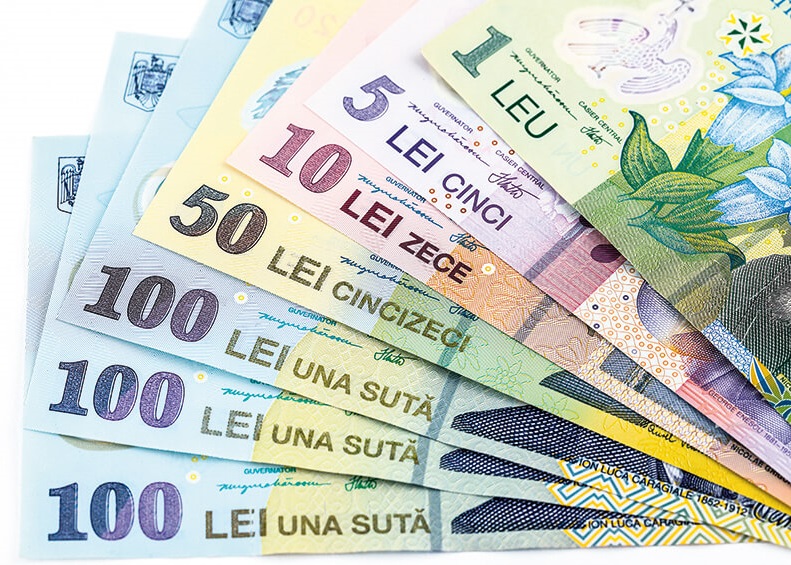
The next logical question after the connection is money and payment methods during the trip. The official currency of the country is the Romanian leu, and it is this that you will encounter most often, even if euros are sometimes accepted in tourist places.
In large cities, shopping malls, restaurants, and hotels, bank cards or contactless payments are accepted without problems. However, outside of the tourist routes — in small towns, markets, rural areas, or on public transport — you will need cash. Therefore, it is important to change money at official exchange offices or withdraw cash from ATMs — they are common and usually offer an adequate exchange rate. At the same time, street exchangers and questionable offers should be avoided.
*Note: Always specify the currency and amount before making a payment, especially in tourist places where prices may not be specified exactly.
#3 Prices & Budget
Romania is a paradise for those who like to travel comfortably without an overloaded budget. At the same time, you will not have to deny yourself good food, comfortable accommodation, and interesting experiences. The main thing is to understand where the money is going and where you can save wisely.
On average, a tourist's comfortable daily budget is €40–70 per person, depending on the travel style and selected cities.
Food in Romania is inexpensive. Lunch in a regular cafe will cost €8 - 12, dinner in a good restaurant — €15 - 20 per person. Street food, bakeries, and small eateries — €2 - 5. Coffee costs about €2 - 3, a glass of local wine — €3 - 4.
Housing is also inexpensive. A bed in a hostel costs from €10 - 15, a budget hotel or apartment — €30 - 50 per night, good mid-level hotels — €60 - 90. Prices are usually lower in small towns and non-tourist regions.
Transport is affordable: a ticket for urban transport costs about €0.5 - 1, intercity trains and buses — €5 - 20, depending on the distance. Car rental costs an average of €25 - 40 per day, plus fuel.
Attractions and entertainment rarely hit the budget. Admission to museums and castles usually costs €3 - 10, and many natural locations and historical centers are free.
#4 Traditions & Local Mentality
Knowledge of local traditions and the peculiarities of the mentality in Romania helps travel comfortably and avoid awkward situations. Romanians value politeness and respect, so a simple “Hello” (Bună ziua) at the entrance to a store or cafe is perceived as a sign of good taste. Ignoring a greeting may seem impolite.
It is important to take into account family and religious traditions. Many holidays, especially religious ones (such as Easter and Christmas), are widely celebrated, and on these days shops, and offices may operate on a reduced schedule, and rural areas sometimes become almost empty.
*Note: When planning a trip, keep this in mind so that you don't end up in a situation where everything is closed.
Also pay attention to table manners: don't start eating before everyone at the table has received food, and making eye contact with toasts is a sign of respect. In rural areas or small towns, people may be more conservative in their clothes and behavior. Therefore, try to avoid overly revealing clothes or loud music.
#5 The Best Time to Travel to Romania
Romania, like any European country, has distinct seasons that can affect your travel experience. Nevertheless, there is something to see and do at any time of the year for every traveler.
Spring (March–May) is a great time for those who love nature and want to avoid the crowds of tourists. Blooming gardens, green Carpathians, and mild weather make hiking and excursions especially enjoyable. Rates for accommodation and tours at this time are usually lower than in summer.
Summer (June–August) is the peak tourist season. Hot days are suitable for a beach holiday on the Black Sea coast, and festivals and cultural events make the trip especially intense. The downside is crowded tourist spots and higher housing prices.
Autumn (September–November) is the time of golden forests and wine tours. The mushroom and wine picking season begins in the Carpathians, and clear, cool days are ideal for outdoor activities. There are fewer tourists, which makes the trip quieter and more comfortable.
Winter (December–February) is a time for lovers of alpine skiing and winter landscapes. The Carpathians are turning into a real paradise for snowboarders and skiers, and the Christmas markets in the cities create a fabulous atmosphere.
In general, the best time to visit depends on what you want to see and do. But remember that when planning a trip, it is necessary to take into account the seasonal features to maximize the pleasure of traveling in Romania.