
Romania is not always the first country families mention when planning a European holiday.
Paris appears quickly. Italy usually follows. Spain rarely waits long.
Romania often enters the discussion later, and that is surprising once people actually visit.
It suits family travel in a practical, low-stress way.
You can enjoy a full day out without spending half of it in queues or navigating complicated transport systems.
Meals can still feel reasonably priced, and many attractions are close enough to combine in one trip.
The country also has substance. Several Romanian landmarks are recognized by
UNESCO,
which means there is real cultural depth behind the scenery.
Why Parents Usually Relax Faster Here
Some destinations ask a lot from visitors.
They need planning, patience, and a generous budget at the same time.
Romania can feel easier than that.
Brașov is a good example.
The old center is walkable, attractive, and surrounded by mountain views.
Sibiu has a calmer pace that many families appreciate after busy travel days.
Cluj-Napoca
offers a more modern city feel while remaining manageable.
There is less friction here than in many major tourist capitals.
Parents notice it almost immediately.
Castles That Do Most of the Work
Children are not always impressed by history lessons. Towers, bridges, and hidden stairways work better.
Bran Castle is famous because of its Dracula connection, but even without the legend it is memorable.
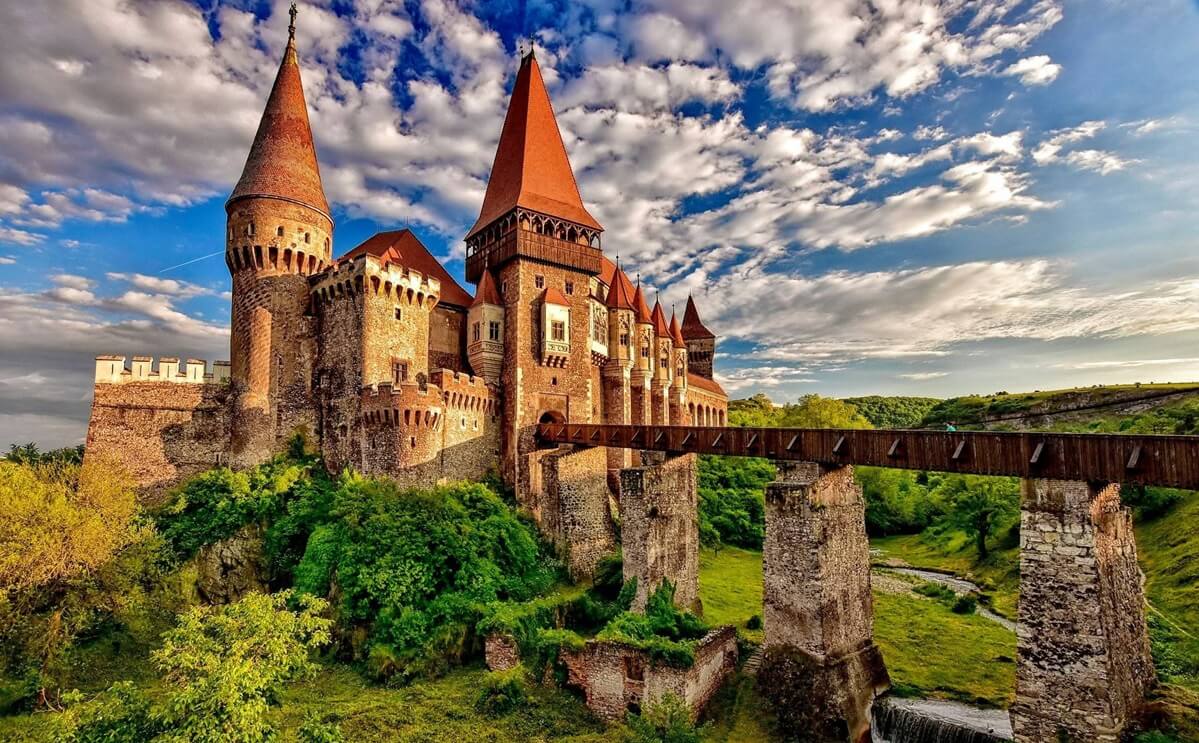
Peleș Castle feels elegant and dramatic, while Corvin Castle looks like something from a fantasy film.
You do not need to explain every date and dynasty. Often it is enough to let children imagine their own story.
Fresh Air Helps Everyone
There comes a point on many family trips when everyone needs open space more than another indoor attraction.
Romania delivers that easily.
Mountain areas around Sinaia and Brașov offer cable cars, forest walks, and scenic viewpoints without demanding expert hiking ability.
The Danube Delta offers a different mood entirely: slower, quieter, full of wildlife and boat routes.
The wider Danube basin has long been recognized for ecological importance by
WWF,
which helps explain why nature lovers value the region so highly.
Quiet Evenings and Better Decisions
Traveling with children often changes the evening routine.
Instead of late nights, many parents end up checking maps, planning tomorrow, or comparing entertainment options online.
CasinosAnalyzer is a comparison platform where users can review payment methods,
licensing details, and bonus conditions before choosing an offer.
For many travelers, that kind of careful comparison feels more sensible than clicking the first ad they see.
200 Free Spins Deals Are Better Compared Properly
Promotions online usually sound strongest in headline form.
"200 free spins" can be useful, but the real value depends on the details.
Some offers include wagering requirements.
Others have expiry dates, restricted games, or limits on withdrawals.
That is why many users prefer to
browse 200 free spins deals
in one place where terms can be compared side by side.
It follows the same logic as comparing baggage fees before booking a flight.
Reading first usually saves frustration later.
Rainy-Day Rescue Plans
Every family trip needs an indoor backup plan.
Bucharest’s Grigore Antipa Museum is often recommended because it gives children something to react to — animals,
fossils, large displays, and natural history exhibits that feel lively rather than static.
Space themes also tend to work well. Mention a recently discussed
planetary system,
and suddenly children start asking questions adults did not expect to answer that day.
For families interested in astronomy,
NASA
regularly publishes discoveries and space education resources that keep curiosity going.
Three Things Worth Remembering
Changing hotels every night looks efficient online and feels exhausting in real life.
Some of the best travel moments happen when nothing was scheduled.
Experienced parents already know this.
Extra Family Ideas That Often Become Favorite Memories
One thing many parents learn after a few trips is that children do not always remember the “big attraction” everyone rushed to see. They remember feeding pigeons in a square, chasing bubbles in a park, or finding a bakery with something warm in the window.
Romania gives space for those smaller moments.
In Brașov, families often enjoy simply walking through the center in the early evening when the light softens and the streets become calmer. Street musicians sometimes appear, children notice shop windows, and adults finally slow their pace. |It is not a scheduled activity, but it can become the nicest part of the day.
Local food can help too. Even selective eaters usually find something easy: fresh bread, grilled chicken, soups, potatoes, pastries, pancakes, fruit from markets. Parents know how valuable that is when everyone is tired and hungry at the same time.
Train rides between cities can also be more enjoyable than expected. Children often treat them as an event rather than transport. Watching villages, hills, and stations pass by the window can keep them busy longer than many expensive attractions.
Another useful tip is to keep one day intentionally light. No pressure, no strict timing, no "we must see three more places". Use it for a playground, café stop, short walk, or spontaneous detour. Those quieter days often reset everyone’s mood.
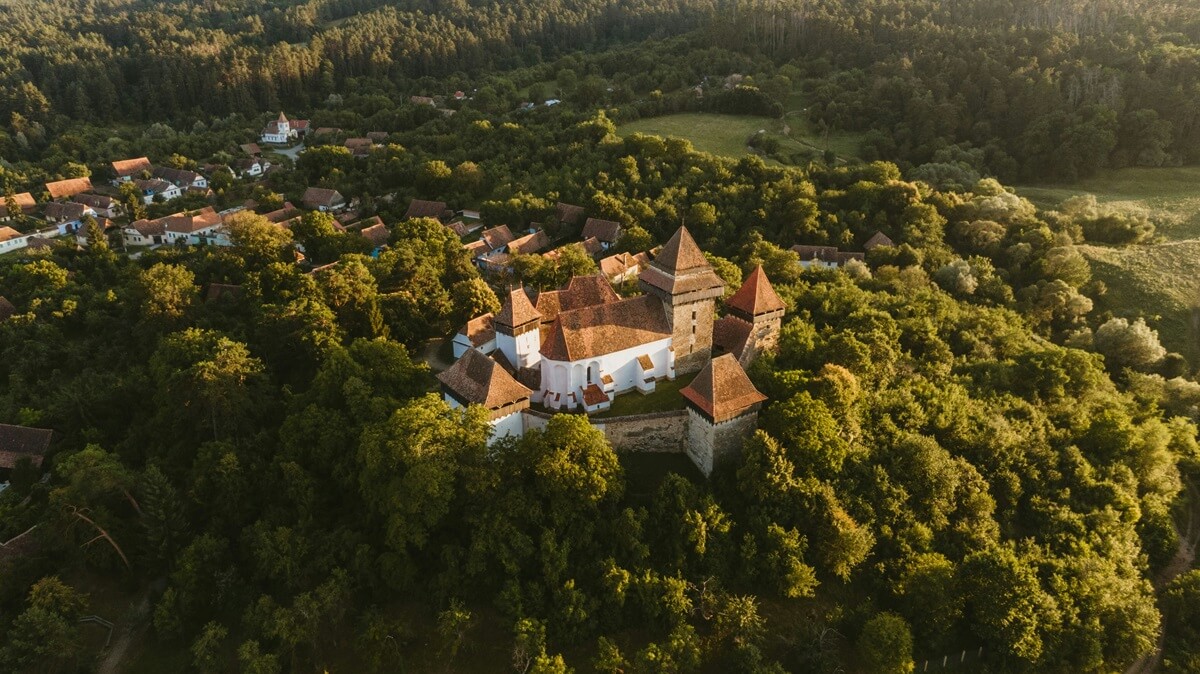
Romania also rewards curiosity. A side street may lead to a hidden courtyard. A small village may have a better lunch than the famous restaurant in town. A stop planned for twenty minutes may turn into two happy hours.
That unpredictability can be inconvenient in some countries. Here, it often becomes part of the charm.
When families talk warmly about a trip months later, they usually mention moments like these more than ticketed attractions. Romania seems particularly good at creating them without trying too hard.
Conclusion
Romania works for families because it offers enough variety without turning the holiday into hard work.
Children get castles, forests, museums, and boat trips.
Adults get scenery, culture, and costs that can feel more manageable than expected.
Some places demand admiration.
Romania often does something better — it becomes genuinely enjoyable once you arrive.