

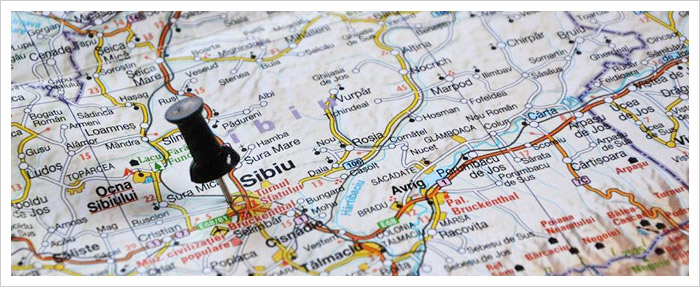
Bucharest gets the first approval in most itineraries, but the country opens many more opportunities once you leave it behind. The best trips here rarely feel city-centered for long. A few hours by car or train can carry you from the capital to a medieval town, or from Southern Transylvania into Bucovina or Maramureș, which makes Romania feel larger in character than it does on a map.
Start with the regions, not the capital
Romania’s travel identity is built around places with their own rhythm.
Transylvania, Maramureș, Bucovina, Dobrogea, Oltenia, and the Danube side of the country all speak in different accents.
Romania unfolds through its historic regions rather than a single route.
Wallachia, Transylvania, and Moldova each bring a distinct character,
making the country feel surprisingly diverse from one area to the next.
Instead of trying to cover every corner on a first visit,
focus on one region and give yourself time to settle into its landscapes, traditions, and everyday rhythm.
Transylvania is the right first stop
Transylvania keeps its reputation for a reason. Lonely Planet highlights it for mountain trails, castles, and medieval towns, while UNESCO anchors the region’s appeal with Sighișoara, the fortified villages of southern Transylvania, and the Dacian fortresses of the Orăștie Mountains. Brașov, Bran, and Sibiu sit neatly inside that Transylvanian triangle, and each one brings a different flavor. Bran Castle offers visitor planning details, while the official Sibiu city guide points travelers toward one of Romania’s most polished historic centers. Sibiu’s old town keeps enough medieval structure to feel intact, yet the city still works as a practical base for cafés, museums, and day trips.
Maramureș rewards slower travel
Maramureș feels different the moment you start moving through it. UNESCO recognizes the Wooden Churches of Maramureș as outstanding examples of timber architecture, and the county is described as a place where rural traditions, cultural life, and nature sit side by side. The region works best when you give it time, because the appeal lies in the details.
Bucovina brings color, quiet, and a stronger sense of place
UNESCO lists the Painted Monasteries of Moldavia, and these are included among the country’s most important sights for first-time visitors. Bucovina is a region where the countryside still carries a quiet, traditional life that much of Europe has lost. That sounds romantic, but on the ground it feels more practical than poetic. You go there for monasteries, village food, open air, and the sense that daily life still has room around the edges.
The Danube Delta changes the whole trip
The Danube Delta belongs to any first-time route that wants more than castles and old towns. UNESCO describes it as Europe’s largest and best preserved delta, with over 300 bird species and 45 freshwater fish species living in its lakes and marshes. The delta has designated tourist routes and strong local ecotourism traditions, while April to October is suggested as the sweet spot for visiting. Tulcea usually works as the gateway, which keeps the logistics simple even when the setting feels wild.
Getting around without overcomplicating it
Romania’s train system is more useful than many visitors expect.
CFR Călători
lets travelers search itineraries and buy tickets online,
as international rail links connect Romania with Vienna, Budapest, Belgrade, Sofia, and Thessaloniki.
That makes rail a practical choice for certain routes, especially if you want to connect major cities without driving the whole way.
A
Romania eSIM from SIMOVO
can be a small but handy option here, mainly for maps, tickets, and last-minute schedule changes while you move between towns.
A simple way to shape the trip
The cleanest first itinerary follows geography instead of trying to cover everything. Start in Brașov or Sibiu, add Bran or Sighișoara, then move north toward Maramureș or east toward Bucovina. If you have more time, finish in the Danube Delta. That order would work since Romania’s headline places sit in distinct clusters, and the trip becomes better when each region gets its own mood. You stop measuring distance in kilometers and start noticing texture. It is where Romania turns from a destination into an experience.
Best time to visit beyond Bucharest
Season changes the feel of the country. Autumn is pointed to as a strong overall season, especially in the Carpathian woodlands, while the Danube Delta shines from spring through autumn. Winter brings snow to the mountains and a different kind of quiet to the historic towns. So the “best” time depends on the region you choose, which is another reason to avoid a one-size-fits-all plan.

Author BIO:
Shanzaib Haider
is a travel writer and researcher at Wanderlust Craze,
specializing in world geography, global wonders, circumnavigation, and large-scale travel questions.
His work examines how long it takes to travel around the Earth,
how distance and geography shape global journeys, and what makes the world’s natural and human-made wonders significant.
Through carefully researched explainers, comparisons, and destination context,
he helps readers understand the scale of the planet and the remarkable places, routes, and phenomena found across it.