Every traveler in a big city knows this feeling: when the incessant noise of city life ceases to annoy you. It doesn't happen very often at the airport or on the road. It happens in a place that isn't as busy. Somewhere that makes time seem to move more slowly. A lot of people have that moment in the Romanian countryside. This is where traditions are still alive and not only conserved. The doors are open not because someone is waiting for you, but because that's how people are. The morning mist floats off the hayfields.
It's not just a fad to travel slowly in rural Romania. It's a chance to put presence before urgency. You can allow a place to change your days instead of hurrying through your to-do list. And in Romania's villages, from the wooden-hearted views of Maramureș to the painted monasteries of Bucovina and the hidden corners of the Carpathians, you'll find a rhythm that slowly leads you back to the right path.
This tour is for people who want to do more than just see a place. A trip where the beauty isn't just in the mountains, the wooden gates, or the hot plates of “sarmale.” It's also in how life happens without planning, silently, and with pride.
The Spirit of Taking Your Time While Traveling in Romania
People have been going to Romania's countryside for a long time to see true culture. But slow travel gives you something more: the chance to connect with the everyday things that make a place really alive. If you travel slowly, you should stay in one spot for a few days so you can see the sights and do things there.
You don't speed through a list of landmarks. When you wake up, you hear roosters crowing. You have your morning coffee while watching your neighbors mow hay, and then you go on a walk just because the trail looks nice. The way you feel is more important than the schedule. In a world where everything moves quickly, Romania's countryside feels like a deliberate and pleasant choice to slow down.
People who use digital maps or work from home while visiting quieter locations can stay safe online by using VPN software that works on all devices. In this manner, their communications, maps, and browsing will be safe even when they use Wi-Fi networks at guesthouses all across the country.
A Week to Settle in a Romanian Village
Imagine driving for hours through forests and valleys until you get to a little village in the Carpathians. The guesthouse is basic yet cozy, with wooden beams, embroidered bedding, and a host who always smiles. The first night is calm. You can hear dogs barking and flames crackling in the darkening countryside.
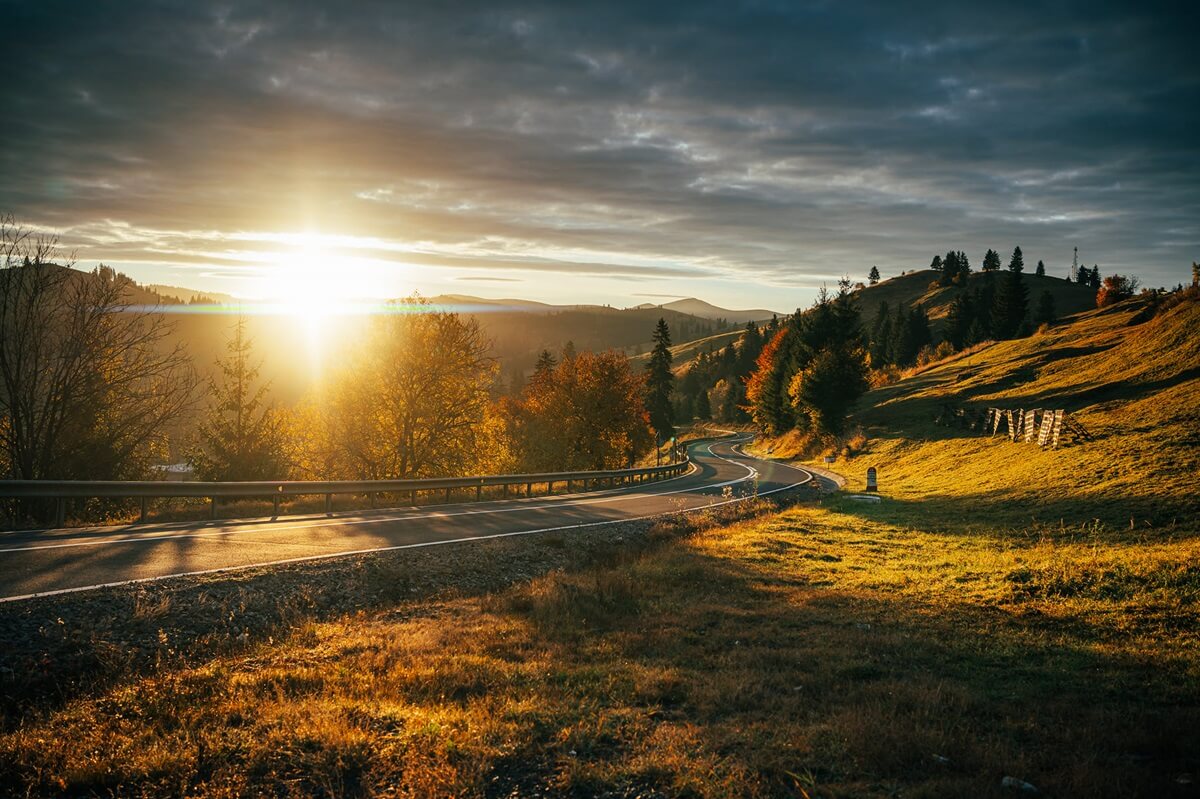
Life starts to move faster by the time the sun comes up. You eat slowly, and the meals are usually filling and made with food from the owners' own garden or a neighbor's farm. The lace curtains let in the morning light. Tourists don't walk for a specific reason; they walk because they want to know what's behind the trail, a tree, a creek ... You might be traveling down a small path between bales of hay. You can go into an orchard. Someone from the area might urge you to drink “țuică” and tell you a story.
People who visit places like Maramureș usually admire how the scenery and the way people live there go together.
You can learn more about why these small villages feel so full of history in
our travel guide to Maramureș.
The best thing about leisurely travel is that you don't have to do anything, but you can learn a lot.
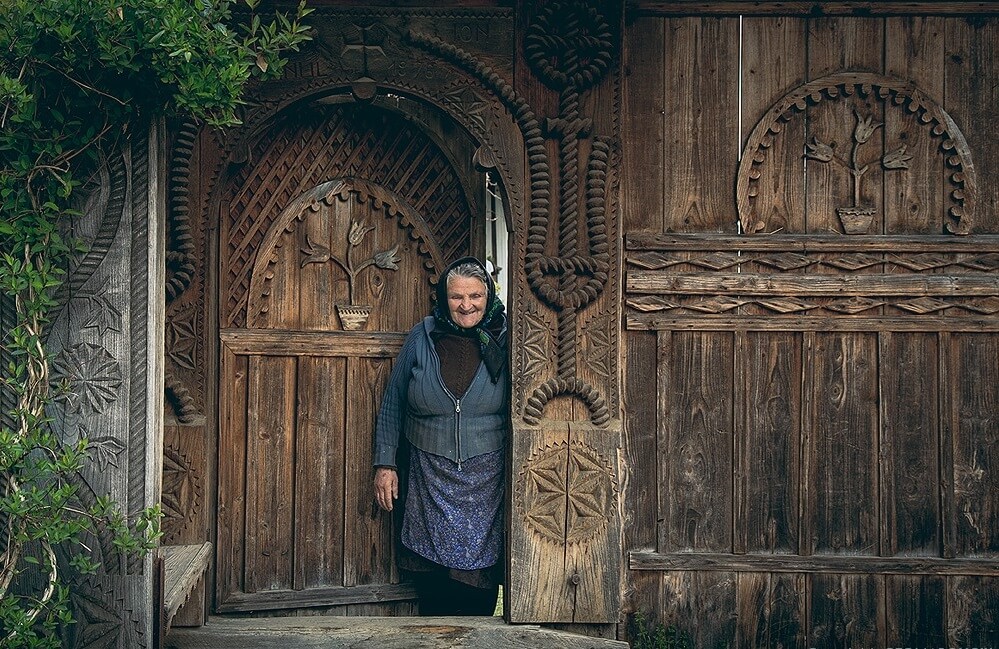
Local Life Up Close: Daily Life and Important Cultural Events
In most of Europe, people act out their daily lives, but not in rural Romania. It's pure life, done honestly and easily. People who travel and stay in one location for a few days start to notice little things that become important to them, like how:These split seconds aren't just things to cross off a list. They show travelers how to live that many of them have forgotten. These split seconds are based on being patient, making connections, and feeling like you belong.
Food as a Way to Learn About a Place You Visited
One of the best things about taking your time on a trip is that eating becomes a part of the story. People in Romania take pleasure in their cooking, which is based on the season and what they know. One dinner can teach you more about a place's culture than any museum.
For breakfast, you could have fresh cheese, tomatoes that are still warm from the sun, baked bread, and honey from the family's beehive. You may have a hot bowl of “ciorbă” for lunch and then roast meats or vegetable stews with herbs from the hills. Dinner often feels like a ritual of giving. There are huge portions, hosts who chuckle, and meals that have been passed down through the years. The meals are unique not because they taste well, but because they are genuine. It all tastes like everything should be right there where you found it.
Taking It Slow and Steady to Enjoy Nature
Romanian villages are so beautiful that you want to explore them, not compete with them.
You don't have to climb a mountain or do a hard route to see how beautiful they are.
You can just take a leisurely walk through meadows full of bees
or along forest trails where moss covers the stones and pine branches make natural arches.
In the Carpathians, there are paths that connect small towns.
You can see sheep eating grass, peaceful waterways, and old hay barns that look like they've been there forever.
There are rolling hills in Maramureș where locals erected wooden churches by hand.
Some of these are part of the
UNESCO World Heritage Site of Maramureș's wooden churches.
They are beautiful reminders of how faith and hard labor have impacted the way people live in the area.
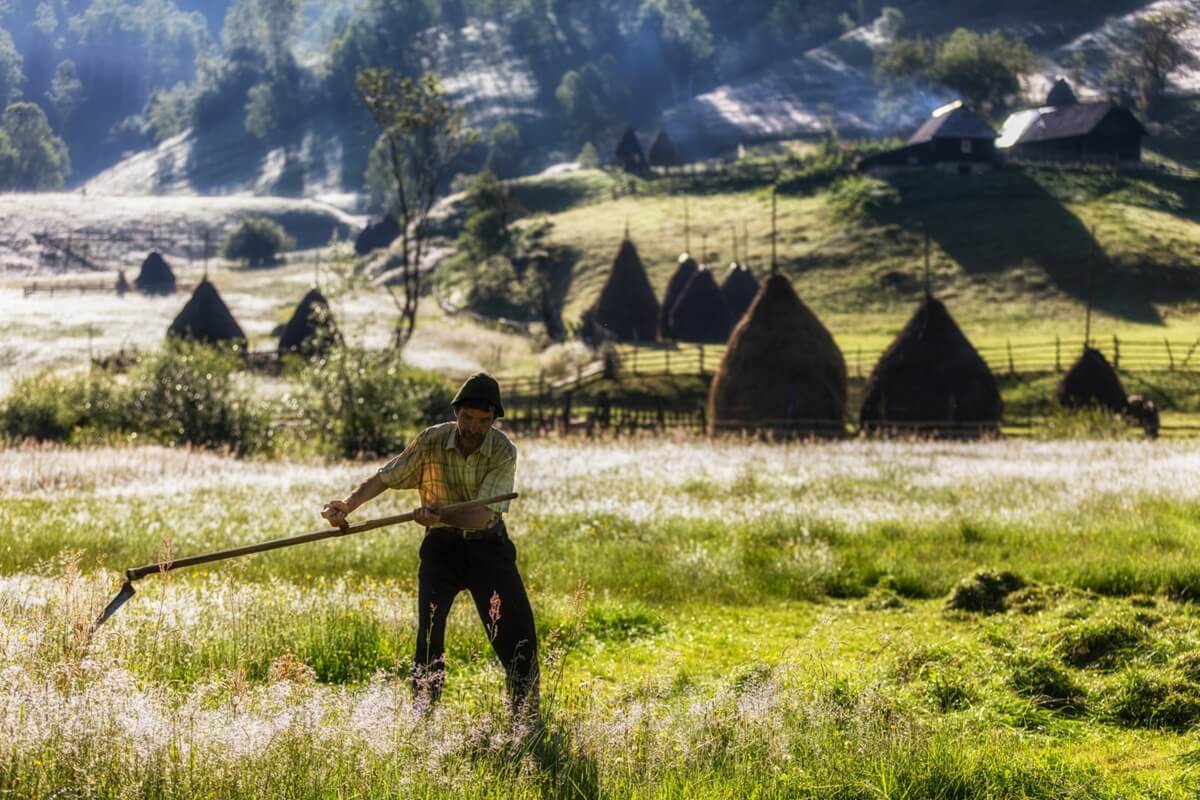
In Bucovina, there are painted monasteries that are concealed in the woods and on the hills. You walk more slowly everywhere because of the way nature encourages you. You notice things like the fragrance of freshly cut hay, the color of the carvings on the gates, and the way birds sing in layers at night. Everything is part of a peaceful mind.
Meeting New People Is Where Slow Travel Really Has Meaning
The people you encounter when you travel leisurely across rural Romania might be the best part. People in the village are happy to share their stories and traditions with guests. Being polite is part of their culture, not obligatory.
A grandmother who has been making “cozonac” every Easter for half a century can show you how to cook it. You might see a craftsman carve wood so smoothly that it looked like you were witnessing a song being played. A shepherd can explain to you how and where to eat some fresh cheese up on the hill.
These chats happen on their own, and they frequently happen when you don't expect them to. And they provide you with memories that are much better than those of a regular tourist destination.
Tips for Making the Most of Leisure TravelSlow travel doesn't like set plans, but there are certain things you can do to make sure you get the most out of your time in Romania's beautiful countryside. Instead of going to numerous places, pick one. Stay in family-run guesthouses where the owners can tell you how things are done in the neighborhood.
You should take at least four or five days to get to know the people and the place. Be ready for the Wi-Fi to be weaker, the roads to be smaller, and the comforts to be fewer. These aren't problems; they're blessings that help you go away from where you came from.
Why You’ll Remember How You Slowly Traveled Through Romania
You sense that something is different when you go back to your normal life. You've modified your rhythm to one that's steadier, richer, and quieter. You come back feeling tranquil, and that feeling stays with you. You recall how nice it was to get up in the morning when there was no rush, how long talks could go on without checking the clock, and how good food tasted when it was made with love.
Not only do Romania's villages give travelers a rest, but they also transform the way people see things. They show you that beauty doesn't always have to be a huge deal. It talks in a quiet voice. It often does.
Summing Up
When you go slowly in rural Romania, you don't do less. It's about having more experiences, like being more connected, real, and present. When people who are traveling enjoy the leisurely pace of life in Romania's countryside, they don't just visit a place; they become a part of it, even if it's only for a short time. In a world that values rush, this is a unique and very useful gift.
The villages of Romania are waiting for you. They are friendly, peaceful, and patient. Out there, you can breathe more deeply, see more, and feel more connected than you can in the city.