A tradição de Martisor / Mărțișor
Mărțișor
é uma tradição antiga celebrada em 1º de marçost, todos os anos, em toda a Roménia.
O nome Mărțișor é um diminutivo do mês de março (Martie em romeno).
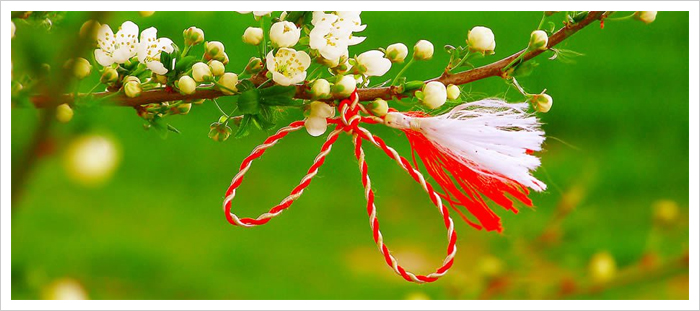
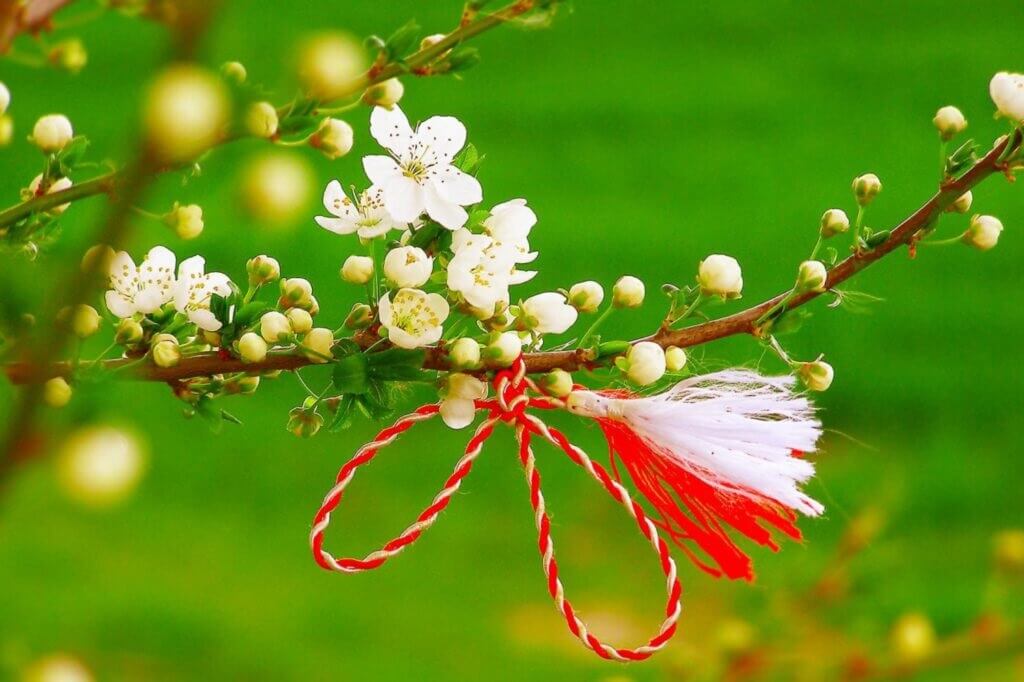
A essência da tradição consiste em fazer/comprar e oferecer barbante/fio trançado vermelho e branco (mărțișor, marț ou mărțiguș) to loved ones and colleagues. Often, the red and white string is tied around a small trinket. The Mărțișor will be worn until the first blossom tree, swallow or stork is seen. All members of the communities participate in this tradition, irrespective of their age.
In the old times, the Mărțișor was made of small river pebbles, colored white and red, strung on a wool thread or leather string and worn around the neck. Today, the trinket attached to the string can vary, from small symbolic hearts and four-leaf clovers to diamond-encrusted brooches. However, the Martisor é mais sobre o símbolo e menos sobre o valor da bugiganga e a grande maioria das pessoas oferece designs básicos, mas significativos.
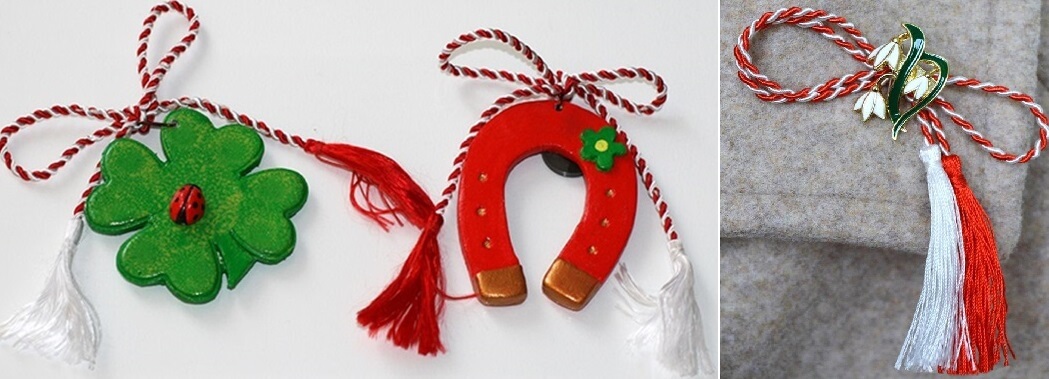
Quando a tradição Martisor começou
According to archaeological research, the Mărțișor traces its history more than 8,000 years ago. Some ethnologists believe that the Mărțișor celebration has Roman origins, others support the theory that it is an old Dacian tradition.
Na Roma antiga, o Ano Novo era comemorado no dia 1º de março.
Março ('Márcio') foi nomeado em homenagem ao deus
Marte.
Mars was not only the god of war but also the god of agriculture,
which contributes to the rebirth of vegetation.
Os Dácios também comemoravam o Ano Novo no primeiro dia de março. Amplas celebrações da primavera foram consagradas a este evento.
In the old times, Mărțișor were made of small river pebbles, colored in white and red, stringed on a thread and worn around the neck. They were worn, to bring good luck and good weather, from March 1 until the first trees would bloom. When the first trees were flowering the Mărțișor were hanged on tree branches.
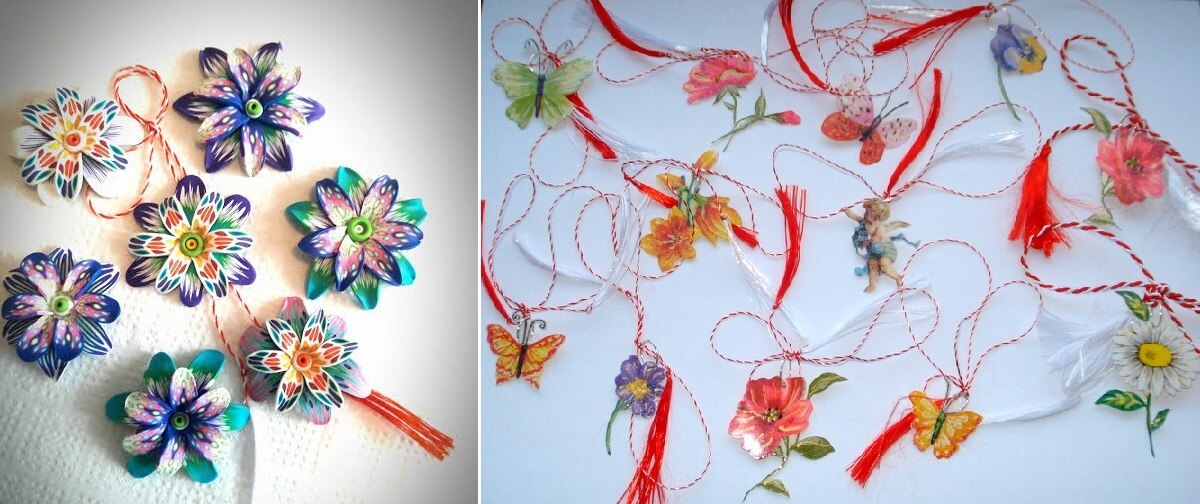
Costumes Martisor
No dia 1º de março, os romenos compram fios/fios sedosos vermelhos e brancos (chamados șnur)
amarrados em um laço ao qual está presa uma pequena bugiganga e oferecidos aos familiares (femininos),
amigos e colegas para mostrar amizade, apreço e respeito.
Existem pequenas variações da tradição Mărțișor.
Significado
Martisor representa boa sorte e o renascimento da natureza.
The red/white thread is also considered to provide symbolic protection against capricious weather
and ensure a safe passage from winter to the spring.
Usually, the Mărțișor is attached to clothing, on the left side of the chest, near the heart.
Nowadays, some girls and young women wear it as a hand bracelet.
O Mărțișor é geralmente oferecido por homens a colegas do sexo feminino e às mulheres especiais em suas vidas. No entanto, na região da Moldávia (leste da Roménia), as mulheres recebem e dão Mărțișor de/para homens.
Quanto tempo Martisor está desgastado?
Todo mundo começa a usar o barbante (e a bugiganga) no dia 1º de março.
Porém, alguns vão usá-lo por um dia,
outro até 9 de março, um dia após o Dia das Mães e das Senhoras - 8 de março - na Romênia.
A maioria das pessoas ainda usará o Martisor
until the see the first blooming tree of the spring.
Then, they would hang the strings from one of the branches, for good luck and good weather.
Há pouco tempo, no campo, as pessoas celebravam o Martisor pendurando um barbante vermelho e branco no portão, janela, chifre de gado e barracão para proteção contra espíritos malignos e invocar o poder regenerativo da natureza.
No leste da Romênia (Moldávia e Bucovina regions) the red and white string was complemented with a small - gold or silver - coin. After wearing the coin for twelve days, the women would buy fresh cheese with it, to ensure that their skin would be healthy and beautiful the entire year.
Lendas relacionadas à tradição Martisor
Existem algumas histórias por trás da tradição Martisor. As ideias principais são a impaciência da humanidade enquanto aguarda a chegada de uma nova primavera bem como esperança de renovação.
Vovó Dochia (Baba Dochia) lã preta milagrosamente se torna branca
Baba Dochia - uma velha chamada Dóquia -
is a figure in Romanian mythology, most commonly associated with the coming of spring.
Dochia lived up in the mountains.
During the winter, her home – and her soul – were quite cold
and she used to walk around wrapped up in nine coats.
Ela teve um filho, Dragobetegv4p4sd8o0iarzd0khkq
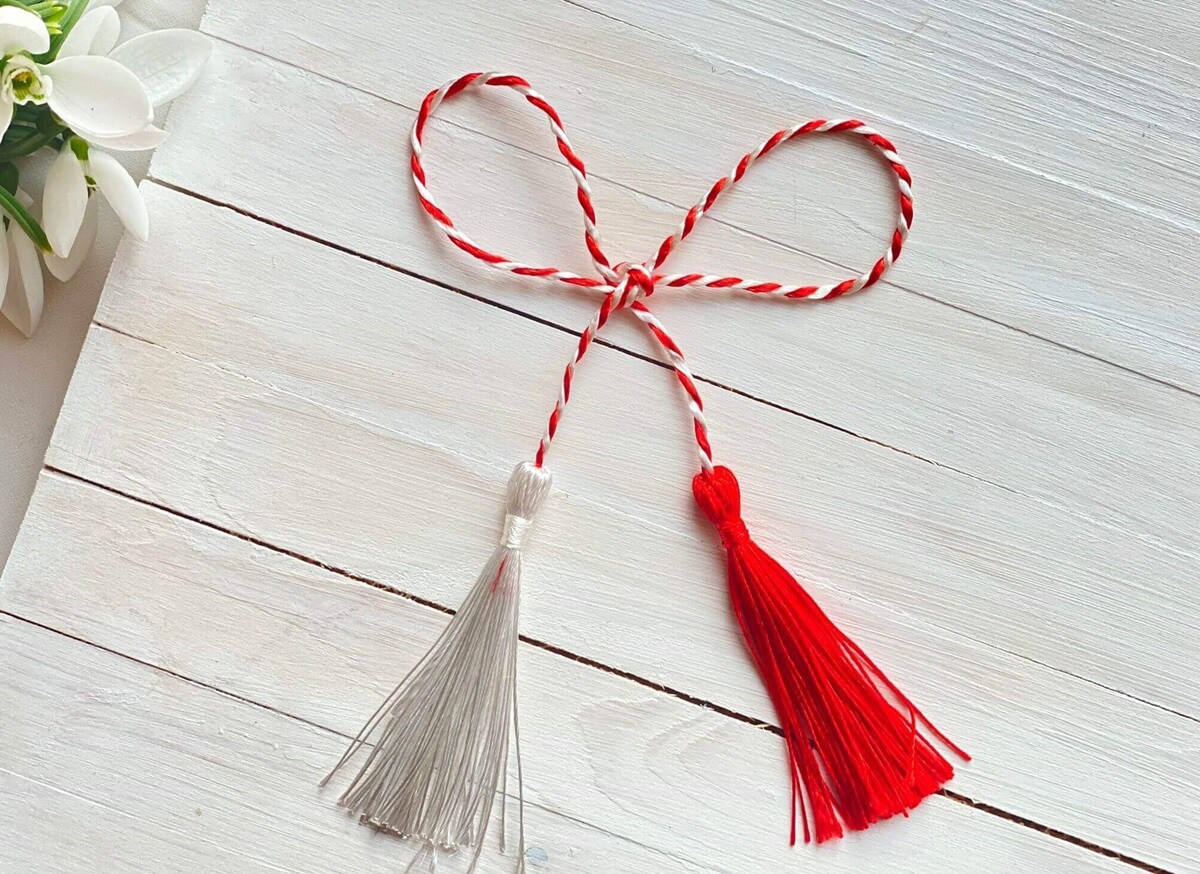
foto © Margele.ro
Uma lenda ligeiramente diferente de Baba Dochia também é bastante popular:
Linda garota supera tarefa impossível
Um longo inverno marcou o ano em que o filho de Baba Dochia, Dragobete chose his wife.
And that harsh winter seemed never to end.
One day, at the end of February,
Baba Dochia asked her daughter-in-law, whom she did not like much,
to bring her a bunch of spring flowers.
The daughter-in-law left the house
without knowing where to go to find spring flowers.
On her way to the nearest forest glade, she met Mărţişor - o arauto da primavera.
O arauto viu que a menina estava triste e perguntou por quê.
Quando a nora contou Mărţişor o problema dela,
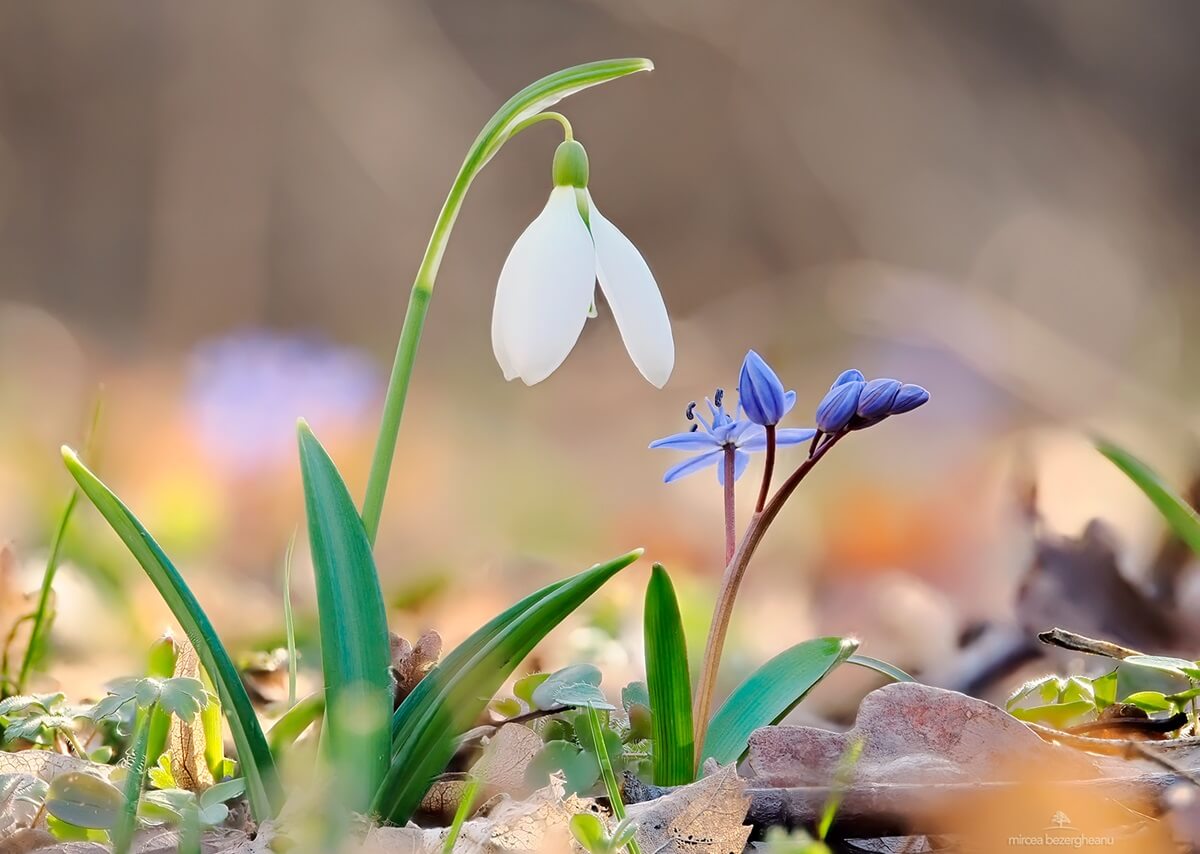
Mărţişor gave her a bunch of snowdrops (flowers) to take to the old woman.
Happy, the daughter-in-law, quickly returned to Baba Dochia with the snowdrops.
When Dochia saw the flowers, she believed that spring had already arrived and
that she could take her herd of sheep or goats up to the mountains.
No entanto, Mărţişor planned to give the old woman's
a lesson and a taste of her misery.
Nine consecutive, unusually warm days followed, and every day, the old woman took off one of her coats.
However, on the tenth day, Mărţişor trouxe de volta o frio
e três dias de geada terrível.
Como a velha não tinha mais casacos para vestir, ela congelou, junto com suas ovelhas, e se transformou em pedras.
E lá, no alto das montanhas, eles permanecem até hoje.
Sun é sequestrada por dragão e libertada por jovem
Another legend has it that the Sun came down to Earth as a beautiful girl.
Soon after that, a dragon kidnapped the girl and made her his prisoner.
A young, handsome, boy learned about the kidnapping and fought the dragon to save the girl.
During the fight, the boy got hurt, and several drops of his blood fell on the snow.
However, the dragon was defeated, and the Sun was released and went back to the sky.
À medida que o sol aquecia a terra, a neve derreteu e gotas de neve
- as primeiras flores da primavera a desabrochar - floresceram por toda parte.
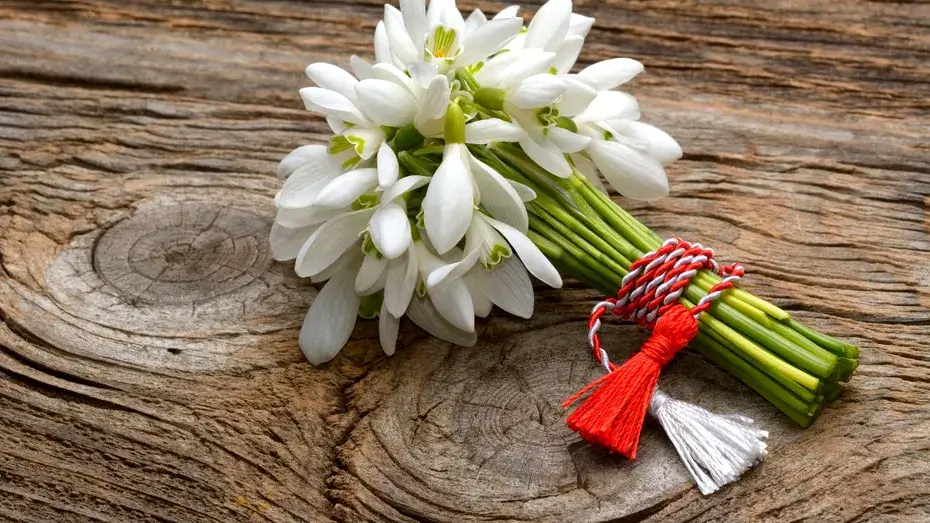
A cor vermelha do fio representa o sangue do menino
enquanto o branco representa os snowdrops (flores).