

O ano de 2026 marca 150 anos desde o nascimento do escultor Constantin Brâncuși,
um artista inovador que criou seu próprio estilo.
Often called "Patriarch of Modern Sculpture",
Brâncuși is regarded as a trailblazer in contemporary art,
a personality that laid the path for future generations of artists.
Brâncuși’s works bridge Romanian folk art and motifs and universal modernism.
| 2026 institutional Constantin Brancusi exhibitions worldwide | ||
|---|---|---|
| Datas de Exibição | Local | |
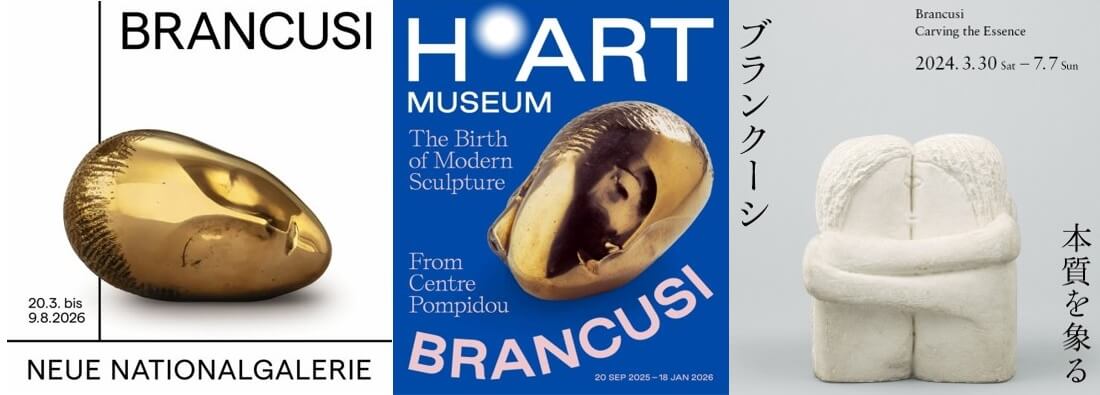
20 de setembro de 2025 - 18 de janeiro de 2026 | Brancusi, O Nascimento da Escultura Moderna Museu H'ART, Amsterdã | |
13 de janeiro - 31 de março de 2026 |
Fotografias de Constantin Brancusi Casa Ely - Thaddaeus Ropac, Londres | |
19 de fevereiro - 31 de dezembro de 2026 |
Brancusi: As Origens do Infinito Mercados de Traiano - Museo dei Fori Imperiali, Roma | |
1º de março - 31 de dezembro de 2026 |
Brancusi - a Síndrome Museu Nacional de Arte da Romênia, Bucareste | |
20 de março - 9 de agosto de 2026 |
Brancusi Nova Galerie - Staatliche Museen zu Berlim, Berlim | |
1º de janeiro - 31 de dezembro de 2026 |
Exposição permanente Brancusi Museu de Arte da Filadélfia, Filadélfia | |
1º de janeiro - 31 de dezembro de 2026 |
Brancusi e Abstração MoMA, Museu de Arte Moderna, Cidade de Nova York | |
1º de janeiro - 31 de dezembro de 2026 |
Constantin Brancusi Museu de Arte da Cidade de Craiova, Bucareste | |
Brancusi - O Nascimento da Escultura Moderna
Museu H'ART, Amsterdã
A landmark presentation that brings to Amsterdam an exceptional collection of works by Constantin Brancusi,
who is widely regarded as the father of modern sculpture.
Exploring the different facets of his art, the exhibition displays more than 31 sculptural masterpieces,
accompanied by the original pedestals created by the artist, as well as his photographs and films.
Fotografias de Constantin Brancusi
Ely House, Londres
A exposição Ely House reúne três décadas de trabalho fotográfico do artista romeno.
Photography formed an integral part of Brancusi’s practice,
as both a documentary tool for his sculptural works, and an artistic medium in its own right.
Some of Brancusi’s sculptures survive only through photographs, including Woman Looking into a Mirror (1909–14).
Brancusi - a Síndrome
Museu Nacional de Arte da Romênia, Bucareste
'Brâncuşi - a Síndrome' explora a influência formativa
da personalidade de Brâncuşi e do trabalho na arte romena moderna e contemporânea,
e como moldou as mentes dos criadores e as experiências do público.
Brancusi
Staatliche Museen zu Berlin - Neue Galerie, Berlim
O levantamento mais extenso, de 2026, da obra multifacetada de Constantin Brancusi (1876-1957):
mais de 150 esculturas, fotografias, desenhos, filmes e materiais de arquivo raramente vistos.
Além de obras conhecidas como Le Baiser (O Beijo), L'Oiseau no espaço (Pássaro no Espaço),
La Muse endormie (Musa Adormecida), e La Colonne sem barbatana (Endless Column),
the exhibition also features a partial reconstruction of Brancusi’s legendary studio—shown outside of Paris.
His organic forms, reduced to their essence, established him as a pioneer of sculptural abstraction in the early 20th century.
Fonte: Centro Pompidou
Brancusi - exposição permanente
Museu de Arte da Filadélfia, Filadélfia
Philadelphia Museum of Art's collection of Constantin Brancusi is home to the largest assemblage of sculptures by Constantin Brancusi in the USA.
Gallery 188 – a chapel-like space, on the first floor - displays an elegant grouping of sculptures selected from among the museum's 20 Brancusi,
including masterworks such as "The Kiss" and "Fish",
as well as two pieces from his iconic "Bird in Space" series, a microcosm of the modern master's repertoire.

Brancusi era conhecido por relutar em vender seu trabalho. Embora ele tenha alcançado sucesso crítico e financeiro em sua vida suas esculturas tornaram-se ainda mais procuradas depois que ele morreu em 1957. Em maio de 2018, seu La Jeune Fille Sophistiquée (Retrato de Nancy Cunard), uma pequena escultura em bronze assente numa base de mármore, foi comprado por US$ 71 milhões, tornando-se uma das esculturas mais caras já vendido.
Hoje, as obras de Brancusi podem ser encontradas em museus de renome e coleções de arte em todos os continentes: Museu de Arte Moderna de Nova York, Centro Pompidou em Paris, Museu Tate de Londres, Museu Solomon Guggenheim em Nova York, Museu Metropolitano de Arte de Nova York, Museu Nacional de Arte em Washington, D.C., Museu de Arte Moderna de São Francisco, Museu e Jardim de Esculturas de Hirshhorn - Washington, DC, Museu de Arte de Dallas, Instituto de Arte de Chicago, por Norton Simon Pasadena, Centro de Escultura de Dallas, Museu Moderno de Estocolmo, Museu Artizon em Tóquio, Museu de Zurique, Galeria Nacional da Austrália - Canberra.
...
12 momentos decisivos na vida de Constantin Brâncuşi
1876: Brâncuşi nasceu em Hobiţa, uma aldeia isolada no sopé das montanhas do sul dos Cárpatos em Olténia region (southern Romania). He grew up one of seven children in a wealthy peasant household in an area with a tradition of woodworking. He taught himself to read and write while tending sheep.
1887: Oportunidades limitadas levaram Brancusi a fugir de casa aos 11 anos.
Matriculou-se em uma escola na cidade de
Targu Jiu
e se sustentava trabalhando em empregos braçais.
Meio século depois, Târgu Jiu tornou-se o local das maiores criações/conjunto de Brancusi:
A Mesa do Silêncio, a Porta do Beijo e a
Coluna infinita.
Em 1893, Brâncuşi muda-se para
Craiova,
the largest town in the region,
70 miles south of Targu Jiu
and gets a job in a tavern
(a carpentry workshop according to other sources).
His talent for carving was innate and largely self-taught.
In his spare time, he had crafted a violin from an orange crate.
In 1894, he gains acceptance to Craiova School of Arts and Craft.
While studying in Craiova,
Brancusi gets scholarships from Madona Dudu Church in Craiova and the Dolj County Prefecture.
1898: Constantin Brancusi arranged an apprenticeship with a local cabinetmaker in Bucharest. From 1898 until 1902, he studies sculpture at the Bucharest School of Fine Arts (Școala Națională de Arte Frumoase - București ). To support himself and be able to attend classes, Brancusi sells his share share of inheritance from their parents to one of his brothers.
Embora destinado ao estudo da anatomia de músculos, vasos e nervos por estudantes de medicina e artes plásticas, a obra é igualmente uma obra de arte.
1903: Brancusi decide deixar Bucareste para Paris.
O artista viajou a maior parte da viagem de 1.500 milhas, da Romênia à França, a pé.
A viagem levou-o bem mais de um ano e implicava dormir ao ar livre e confiar na generosidade de estranhos.
Seu itinerário em toda a Europa incluiu Budapeste, Viena, Munique (onde ele fez uma pausa e trabalhou como entalhador de pedra),
Zurique, Basileia, Alsácia e, finalmente, Langres, de onde embarcou num comboio graças aos fundos que lhe foram atribuídos por um amigo.
Em 1904, aos 28 anos, Brancusi chegou a Paris, onde viveu até sua morte, aos 81 anos.
1905: Brancusi obtém uma bolsa de estudos do Ministério Romeno de Religiões e Instrução Pública e se inscreve no École Nationale des Beaux-Arts em Paris. Trabalha no ateliê do escultor Antoine Mercié e, para ganhar a vida, também faz biscates. As encomendas de retratos de alguns compatriotas ajudaram-no durante seus primeiros anos na França.
1907: Brancusi is invited to work in the studio of Auguste Rodin,
the French sculptor of sumptuous bronze and marble figures,
considered by some critics to be the greatest portraitist in the history of sculpture.
After just less than two months in Rodin's atelier Brancusi leaves.
He bids farewell to representational realism and
Rodin’s style of impressionistic sculpture
and moves towards representational abstraction.
"Nada pode crescer à sombra de uma grande árvore", a árvore sendo Rodin,
é a frase que Brancusi costumava fazer
explique que ele não poderia ter se desenvolvido se tivesse permanecido por mais tempo.
Refletindo sobre isso mais tarde, Brancusi disse:
"Foram os anos mais difíceis de todos, os anos de buscas em que tive que encontrar o meu próprio caminho;
Deixei Rodin; Devo tê-lo irritado, mas tive que descobrir meu próprio caminho". (MoMA)
Brancusi left Rodin's studio explicitly because he did not want his work to be redundant, even if the person he wanted to avoid imitating — Rodin — was the “father of modern sculpture.” The result is that Brancusi is today considered the “patriarch of modern sculpture.” (Tessa Augsberger, Em Defesa de Brancusi)
radical simplification of forms, implied movement, sculptural luminosity.
1907 - 1908: Constantin Brâncuşi cria O Beijo, sem dúvida o seu primeiro trabalho verdadeiramente original: as figuras verticais de dois adolescentes entrelaçados formam um volume fechado com linhas simétricas. O Beijo afirmou o uso puro e orgânico da forma que se tornaria marca registrada de Brancusi e isso influenciaria a obra de numerosos artistas, mais imediatamente uma série de esculturas executadas por seu amigo Amedeo Modigliani a partir de 1910. Simplificando e esclarecendo a forma humana em quase abstração com suas obras O Beijo e A Oração, Constantin Brancusi transformou fundamentalmente a escultura, assim como Pablo Picasso revolucionou a pintura naquele ano com suas Demoiselles d’Avignon – juntas, talvez as duas rupturas mais radicais na história da arte ocidental.
1913: A Exposição Internacional de Arte Moderna Show de Arsenal took place.
Over 1,600 works by: Ingres, Delacroix, Courbet, Cezanne, Gauguin, Manet, Degas, Lautrec,
Matisse, Kandinsky, Rodin, Bourdelle, Duchamp, Brâncuși were exhibited.
The Armory Show has an extraordinary echo and will reopen at The Art Institute Chicago,
where students take to the streets to protest and want to burn the portraits of Brâncuși, Matisse and Walter Pach,
considered exponents of the decadent avant-garde.
Brâncuși works displayed at Show de Arsenal foram: O Beijo, Musa, Musa Adormecida, Miss Pogany e Torso.
Depois de estrear seu trabalho no Armory Show, seguido de uma exposição individual na Photo-Secession Gallery de Alfred Stieglitz,
Brancusi alcançou sucesso comercial nos Estados Unidos.
1917: Brancusi meets John Quinn - a prominent New York finance lawyer, a tireless friend and patron of the arts and one of the most important collectors of modern and avant-garde art of his generation. Quinn would become one of Brancusi's most prominent collectors and, crucially, acquired most of his sculptures from photographs sent to him from Paris, by Brancusi. This relationship initiated a shift in Brancusi’s photographic practice from a spontaneous to a more systematic creative endeavour. Quinn - Brancusi’s greatest single patron - buit-up by far the largest collection of Brancusi’s works in either private or public hands.
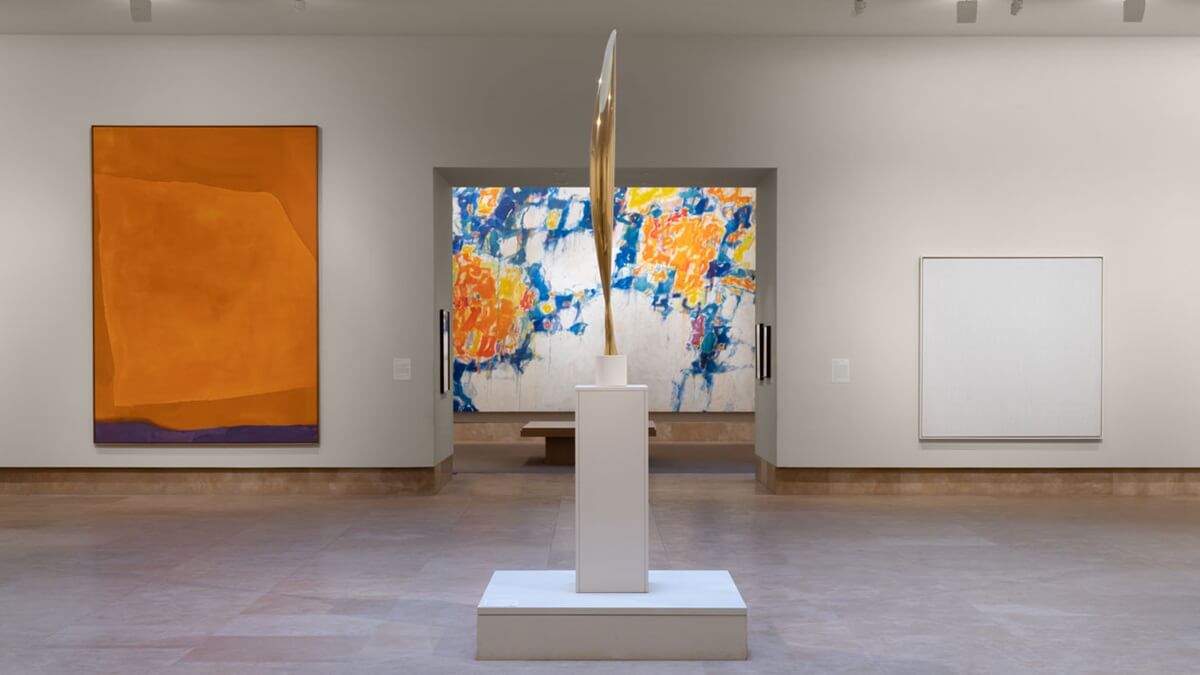
1923: Brancusi cria a primeira versão do
Pássaro no Espaço,
a towering sculpture over seven feet tall featuring a sleek,
abstracted marble form focusing on movement, on the essence of flight,
rather than a literal bird with its physical attributes.
The base a tripartite limestone structure
was initially conceived as an independent sculpture in its own right.
Uma das versões de Maiastra, embarcado por Brancusi de Paris para Nova York, em 1926,
determinou que as autoridades dos EUA aceitassem que a definição (dos EUA) do que constituía arte estava desatualizada
(mais).
1951: Brancusi offers to donate the Romanian state all his works and belongings: 230 sculptures, 41 drawings, 1,600 photographs - many documenting his work and, furniture pieces. However - on March 7, 1951 - the representatives of the Comunist authorities held a meeting during which they decided not to accept Brancusi's offer. "Brancusi's works do nothing to help build socialism in Romania, we refuse" foi a resolução do líder do Partido Comunista da Roménia, Gheorghe Gheorghiu Dej. Perplexo e desapontado, Brancusi solicita - e em 1952 obtém - a cidadania francesa.
“I am dying with an unsettled soul, knowing that I will be buried in foreign land, far from the person I loved most—my mother”. (confissão no leito de morte de Brâncuși).
1956: On April 12, Brâncuşi, now in his eighties, dictates his last will to French notary Claude Burthe-Mique: his Paris studio, with all his masterpieces, would go to the Museum of Modern Art in Paris. Less than one year later, on March 16, 1957, the great artist pases away and is buried in Paris Montparnasse Cemetery.
Isso diz o que você precisa saber sobre a fama.
...» Citações de Brancusi » Citações sobre Brancusi
Citações de Constantin Brâncuși
Constantin Brâncuşi foi um extraordinário escultor e fotógrafo e sua personalidade era igualmente memorável e ousada. Ele era um homem muito à frente do seu tempo, o que provavelmente o tornou irresistível. Jogava golfe, era apaixonado pela fotografia e fascinava-se por voar. Ele comprou um telefone, mas também um aspirador de pó. Ele tocava violino e música folclórica romena, mas também gostava de ouvir jazz. Ele era conhecido por falar em curtos aforismos. Estas citações oferecem um vislumbre de sua filosofia:
Bracusi often carved in oak or in chestnut objects that he would later treat in bronze or marble.
variation: In art, one does not aim for simplicity; one achieves it unintentionally as one gets closer to the real meaning of things.
variations: Nothing is truly hard to do; the real struggle is awakening the will to act. /
Não é a tarefa que nos resiste, mas o momento interior em que finalmente entramos em ação.
é impossível para alguém expressar algo essencialmente real imitando sua superfície exterior.
Estou tentando obter um efeito espiritual.
(Fontes: thehistoryofart.org, artnet.com, artsy.net)
Brancusi e Picasso
Though Brancusi was never a member of any organized art movement,
he got fervent support within the artistic and intellectual community in Paris.
He became close friends with
Henri Matisse, Amedeo Modigliani, Marcel Duchamp, Fernand Léger, Erik Satie and, Henri Rousseau among others.
A few sources indicate that Brancusi and Picasso were friends.
Both are considered geniuses who revolutionized the way we see the world.
However, their philosophies of life and creation were opposed,
making friendship between them rather improbable.
Picasso foi a estrela indiscutível de Paris.
Um extrovertido barulhento, rico, que amava a fama e sempre foi o centro das atenções;
ele mudou seu estilo artístico a cada poucos anos.
Brâncuși, por outro lado, era um "Santo de Montparnasse."
He lived modestly, dressed like a Romanian peasant,
obsessed with perfection and refining the same form until he reached absolute essence.
Diz-se que Picasso,
curioso e talvez com um pouco de inveja da aura de mistério do romeno,
insistiu em visitar o estúdio de Brâncuși no Impasse Ronsin.
Picasso estava elegantemente atrasado.
When he knocked at the door,
Brancusi opened it and asked him:
"Quem é você"?
Quando Picasso respondeu: "Picasso",
Brancusi respondeu "Eu não conheço você".
Uma vez no estúdio de Brancusi, o espanhol tentou ser amigável
e passou a elogiar as esculturas, utilizando termos críticos específicos do mundo da arte.
Brâncuși ouviu-o um pouco, depois interrompeu-o dizendo:
"Você faz arte, eu crio outra coisa".
This was a profound truth.
Brâncuși despised the term "art" in the Western sense: dramatic and decorative.
He sought the spirit, the "cosmic essence" hidden in matter and,
did not want to represent reality, but eliminate it to achieve purity.
Picasso saiu irritado.
Várias fontes indicam que os dois se evitaram pelo resto da vida.
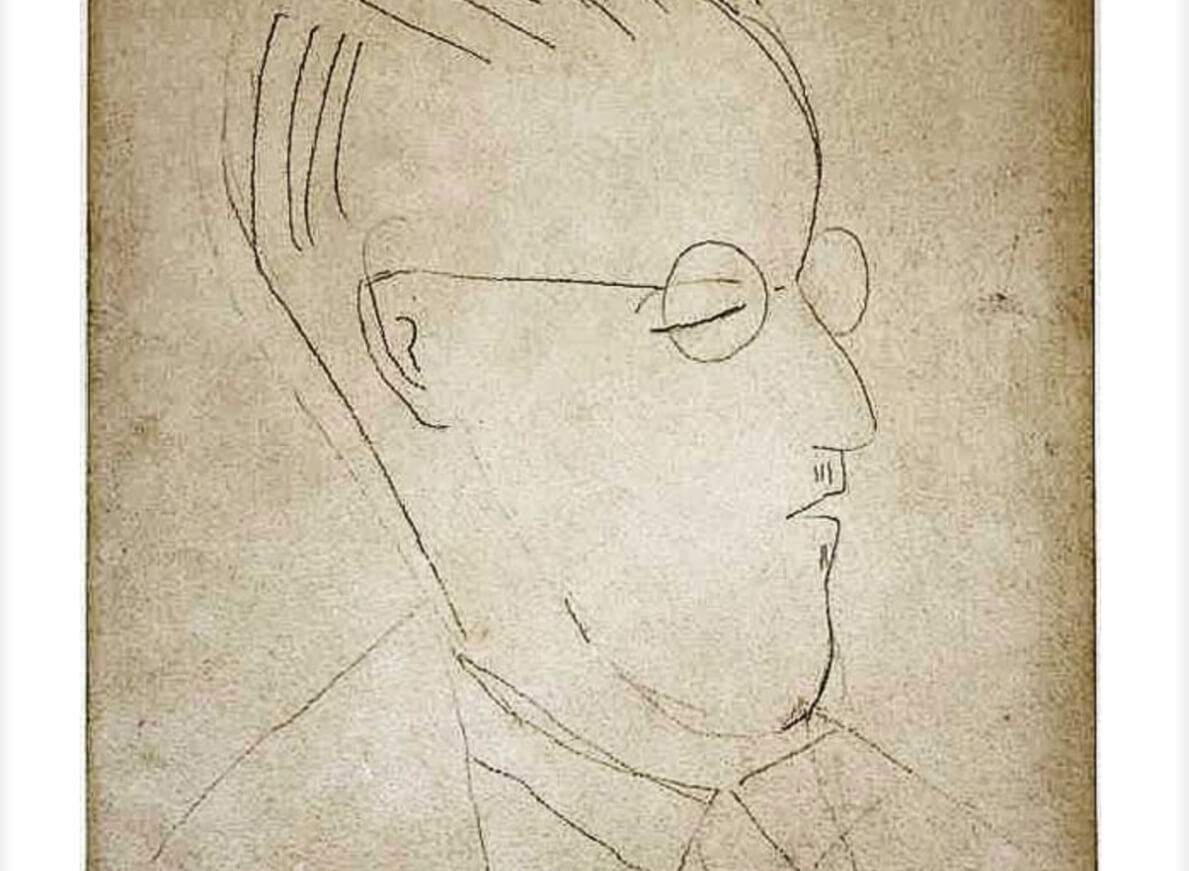
Depois que Pablo Picasso recusou, Os editores americanos Harry e Caresse Crosby da Black Sun Press contrataram Constantin Brancusi para desenhar imagens de James Joyce, para sua edição limitada de Finnegans Wake. Brancusi desenhou seis esboços de James Joyce, para Black Sun Press depois acrescentou mais um desenho: um símbolo espiral no sentido horário, chamado “Retrato do Autor” (1930) mas, na verdade, não era um retrato.
De acordo com a The Morgan Library & Museum de Nova York, Brancusi disse: “Joyce é assim: ele se afasta de um ponto e você nunca mais o encontrará.” Em 1954, Brancusi mudou o título para “Símbolo de Joyce”.
...
Citações, de artistas e críticos, sobre Constantin Brâncuși
Since the Gothic, European sculpture had become overgrown with moss, weeds – all sorts of surface excrescences which completely concealed shape. It has been Brancusi's special mission to get rid of this overgrowth and make us once more shape-conscious. … (Henry Spencer Moore, artista visual inglês)
Whether or not a viewer can get behind Brancusi’s version of reality or representation, the artist opens up a dialogue that multiple subjective viewpoints exist and are worth our consideration. That recognition in itself can be a beautiful thing. (Juiz americano J. Waite que decidiu se Bird in Space de Brancus era realmente “arte”)
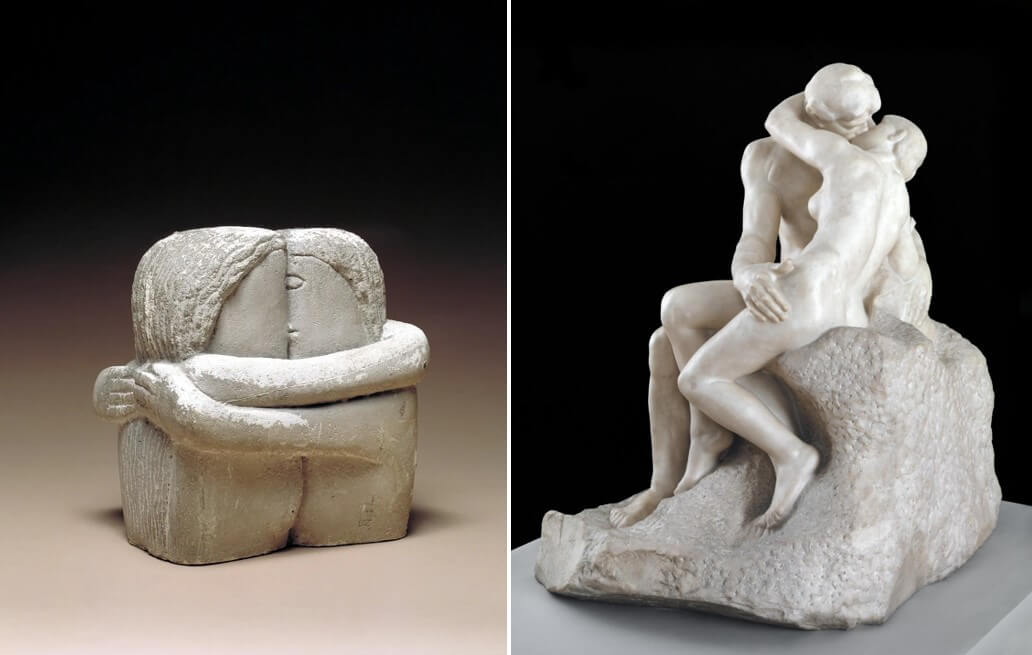
There’s hardly a way to compare the two sculptures; they appear to hail from entirely different worlds. “Beside the Rodin, the Brancusi looks absurd; absurdly crude and inarticulate. And beside the Brancusi, the Rodin looks absurd; absurdly grandiose and explicit. Which is sublime, and which is ridiculous, is a matter of taste.” [Tom Lubbock - Art Critic and Illustrator - about how the Kiss theme in Brancusi’s (1916) sculpture Rodin’s (1882) works, considered in tandem, expose the flaws in trying to define “good” sculpture, or to pin down a single representation of an idea.]
With his sculptures, Brancusi shattered the paradigm of abstraction in sculpture and radicalized the idea of purity in form. Simply stated, “Brancusi mudou a forma como a arte era feita.” (Jérôme Neutres, Diretor de Desenvolvimento e Estratégia da Reunião dos Museus Nacionais-Grand Palais).
Whatever is said, whatever is done, Brâncuși's work remains the only solid pivot for the near future. Brâncuși's work is not a local expression, it is the essence of the highest expression of universal purity and will remain over the coming centuries the only obstacle that can be overcome. (Doina Lemny - historiadora de arte)
The essence of Brancusi’s greatness is his ability to balance opposites, to find equal measure between seemingly irreconcilable factors: male and female, organic and machine-like, ancient and modern, smooth and rough, dense and “weightless.” With his sculptures, Brancusi shattered the paradigm of abstraction in sculpture. (William C. Agee, Brancusi e a América).
Brancusi faz o mundo moderno parecer obsoleto
... we still haven’t matched the sculptor’s grace, humor, and clear-eyed brilliance.
More than a hundred years ago, though,
he perfected a kind of earthy sleekness that still looks embarrassingly contemporary,
so fresh that it makes the actual present taste stale.
Um Brancusi tem a tranquilidade de uma lua crescente.
Suas esculturas não podem ser capturadas, apenas acenadas enquanto voam sorrindo.
Eles são gentis, mas melhores do que você, seja você quem for.
(Jackson Arn,
"O Perfeccionista",
Edição de 3 de junho de 2024 da The New Yorker).
...
Modernismo em julgamento: Brâncuşi vs. Alfândega dos EUA
Brancusi foi protagonista de um dos mais significativos embates entre arte e direito da história,
um caso que determinou que o tribunal dos EUA aceitasse que sua definição do que constituía arte estava desatualizada.
In October 1926,
20 sculptures crafted by the pioneering modern artist Constantin Brancusi arrived in the Port of New York
for an exhibition of his work, curated by his great friend and advocate Marcel Duchamp,
at the Brummer Gallery in Manhattan.
Among the 20 sculptures was the Bird in Space, now in the collection of the Seattle Art Museum.
There was, however, one snafu:
While contemporary law exempted artworks, including sculpture, from an import tax,
Brancusi's abstract work didn't look like "art" to port officials
who labeled them as industrial products and seized them for tax purposes.
Para serem qualificadas como “escultura”, as obras tinham que ser
“reproduções por escultura ou fundição, imitações de objetos naturais, principalmente a forma humana” (fonte: Rowell).
Confused and irritated by this assessment,
Brancusi launched a complaint in court in defense of the 'Bird in Space' sculpture.
The initial question before the court was whether Brancusi’s work
adequately resembled that which it was supposed to “imitate”, as indicated by its title.
Passing that test would make it a sculpture (and therefore art) and exempt it from customs duties.
The task of the trial became, however, how to define “sculpture” — and, for that matter, “art”.
Testimony was provided by a number of experts, including the sculpture’s owner, Edward Steichen,
an artist and future director of MoMA’s Department of Photography,
as well as British sculptor Jacob Epstein and Brooklyn Museum Director William Henry Fox.
During his testimony, the art critic Frank Crowninshield was asked by the court
what it was about the object which would lead him to believe it was a bird.
He responded: “It has the suggestion of flight, it suggests grace, aspiration, vigour,
coupled with speed in the spirit of strength, potency, beauty, just as a bird does.
But just the name, the title, of this work, why, really, it does not mean much” (Rowell).
yay6bamvyjnxwgfpiabb
O ano de 1928 mudou para sempre a definição legal de arte na América e sinalizou o surgimento da arte moderna.
(MoMA | Artistas, Coleção e Exposições).
O julgamento que colocou Brâncuși contra a Alfândega dos EUA, em 1927-28, sobre os impostos de importação,
é tema de vários livros.
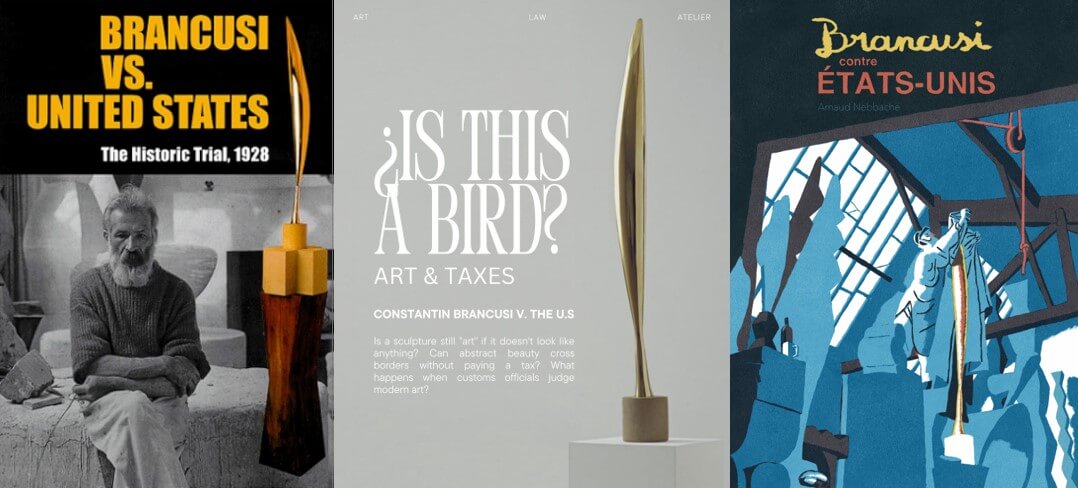
A segunda retrospectiva do Guggenheim de Brancusi ocorreu em 1969 e foi realizada na rotunda Frank Lloyd Wright do museu.
MoMA included works by Brancusi in more than ten group exhibitions between 1934 and his death in 1957. It took until 1967 for a French museum to have a show dedicated to his work (Tribute to Brancusi, at the Musee National d’Art Moderne in Paris) and until 1995 for the first full-scale exhibition in his adopted country at the Pompidou Center. (Galeria Kasmin)