The road to Miklosvar seems almost designed to keep visitors away. Anyone hoping to make their way to this village deep in the center of Romania must brave potholes and gravel that pummel the bones of passengers in even the most luxurious of vehicles.
Miklosvar continua sendo um retrocesso.
The reward for enduring the three- to four-hour trip from Bucharest is a part of Transylvania that appears to have changed little over the last century. Farmhouses, adorned with outsized, ornate wooden gateways, hug cobblestone and dirt roads. In nearby fields, men and women cut hay with scythes. Traffic, for the want of a better word, consists of horses and carts passing by once in a while.
Andrew Testa para o New York Times
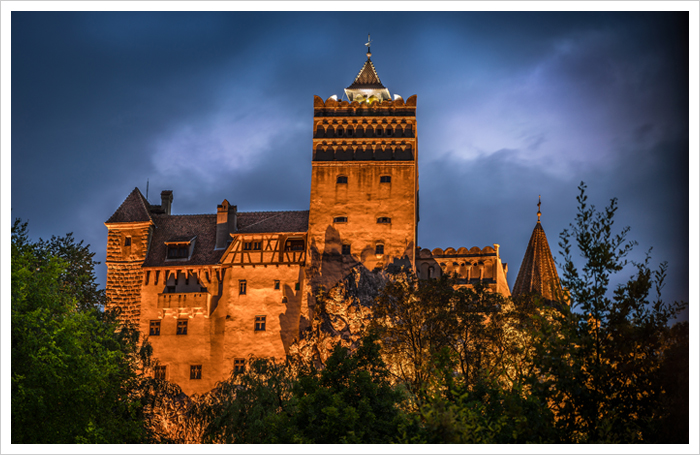
Para a maioria das pessoas, porém, a ideia de Transilvânia evoca imagens de "Drácula" de Bram Stoker e, ao que tudo indica, Miklosvar parece bem qualificado como cenário apropriado. Enquanto Castelo de Bran, a imponente fortaleza mais intimamente associada a Vlad, o Empalador, fica a 65 quilômetros de distância, Miklosvar oferece uma mansão deserta com um castelo, morcegos que voam pelas ruas escuras à noite e até mesmo um conde encantador que fala um inglês com sotaque fraco.
But these are not the reasons why the said count, the man responsible for bringing most outsiders there, would have you visit.
For the last decade, Count Tibor Kalnoky, a former veterinarian and ornithologist, has been working to turn this village on the eastern edge of Transylvania — the Hungarian-speaking region in central Romania — as well as the surrounding woodland into an environmental retreat and a preserve of the region's architectural heritage.
Descendants of the feudal overlords of the area, whose roots there date back as far as 1252, Count Kalnoky and his family run a company that provides tours and accommodations for up to 20 guests in four farmhouses in Miklosvar. The money raised from Count Kalnoky's Estate, as his company is known, goes toward restoring the humble steep-roofed buildings in the village as well as two of the family's ancestral homes (one in Miklosvar and another nearby).
The company is also committed to promoting and protecting the local wildlife. It is lobbying for the woodland behind the village, home to such rare birds as the lesser spotted eagle, black storks and white-backed woodpeckers, to be protected under Romanian and European law.
Os hóspedes ficam hospedados em uma das quatro fazendas, todas restauradas na última década.
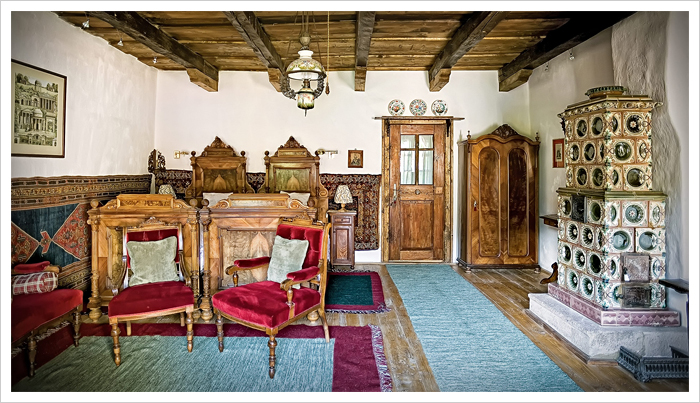
The 19th-century main guesthouse, or Upper House, has two stories and a cellar. Drinks are served in a drawing room with high-backed armchairs and a table covered in embroidered white cloth. At one end of the room stands a fireplace with a band of blue and white tiles that bear the Kalnoky crest. Meals are served in the cellar on a long wooden table in front of an open fire.
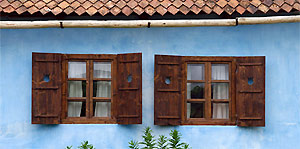
Outra pousada, antiga residência de um servo, fica no caminho. É bem mais simples, pintado de azul claro (cor das casas de servos ou trabalhadores em regime de servidão) e com calhas de madeira penduradas no telhado.
As outras duas pousadas ficam a cinco minutos a pé e ficam frente a frente em um pátio fechado.
The family's former hunting manor, which combines Renaissance, Baroque and neo-Classical architecture, is the most ambitious restoration project, and lies empty at the northern end of the village in its own park. During Communist times, it was used as the village's main meeting hall and fell into neglect. Now it is open to visitors as the Kalnokys restore the stonework and frescoes on the outside walls.
Enquanto muitas aldeias nesta região partilham este património, o que faz Miklosvar diferente é que reteve grande parte da sua população original. Os aldeões ainda ganham a vida quase exclusivamente da terra. Os visitantes podem seguir ursos ou lobos, visitar cavernas cheias de morcegos, caminhar pelas florestas primevais e voltar todas as noites para o conforto de casas de fazendas com lareiras abertas e móveis antigos, e comer pratos locais ricos como goulash com sementes de alcaravia e creme azedo.
Nas proximidades há numerosos castelos, antigos solares e igrejas medievais fortificadas para visitar, bem como aldeias saxônicas em ruínas, lar de membros da minoria étnica alemã da Romênia por 800 anos até a maioria emigrar para a Alemanha após o colapso do comunismo. A beleza desta área e o trabalho de restauração dos Kalnokys têm atraído interesse tanto dos entusiastas da arquitetura quanto da vida selvagem, incluindo o Príncipe Carlos, que está envolvido em um programa ambiental e de restauração similar em Viscri, uma aldeia saxônica nas proximidades.
The creation of Miklosvar as a rural retreat began some 19 years ago. The collapse of the Berlin Wall a year later and a revolution in Romania paved the way for people to reclaim property seized by the state. By 1997, Count Kalnoky had regained Korospatak, the former family home. He then started building up neighboring Miklosvar.
“É a minha resposta à globalização, se você quiser”, disse o conde Kalnoky, 39 anos.
"It was as if it was thrown into a deep freeze," he said of the Miklosvar area when he found it, and that's the way he would like to keep it.
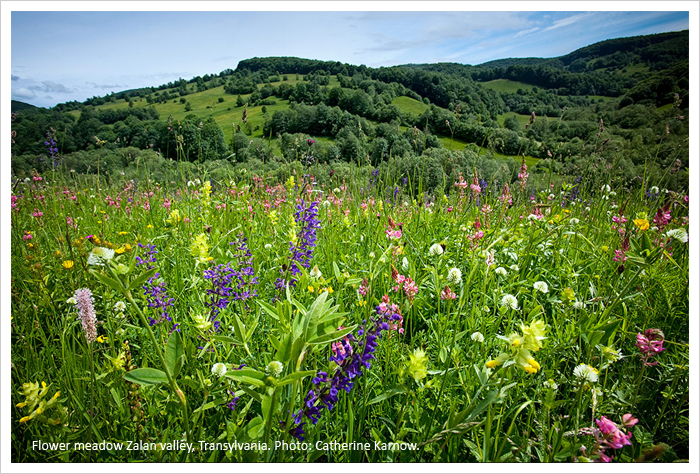
In late May, a short trip on top of a hay cart drawn by two horses brought the count and two guests to the woods overlooking the village. Over the next two hours, our guide, Gabor Tompos, led us on foot through thick grass to a burrow dug out by bears for hibernation. The paths were littered with wild orchids. Overhead, we spotted a large eagle's nest in a birch tree.
Back in one of the guesthouses, we sank into armchairs, surrounded by antique oak, walnut and pine furniture, the kinds of items the family says would until recently have either been thrown away or used as firewood. Heavy eiderdown-filled bedcovers, crisp white sheets and traditional wool-filled mattresses would ensure a deep sleep that night.
Just as Miklosvar has remained largely unscathed by modern progress, it has also remained poor. Even while urban areas in Romania experience sharp growth as it prepares to join the European Union in next January, the accompanying wealth eludes many rural areas. And so Kalnoky appears to have given at least some in the village a renewed sense of pride and purpose as foreigners flock there.
But there is an odd feeling, too, of a hint of a return to a feudal order. Villagers refer to the Western-educated veterinarian as "the count" (guests usually call him Tibor). The kitchen staff and housemaids wear traditional dress, and linguistic barriers mean there is little communication between the visitors and the employees or villagers.
Miklos Cserei, who runs a small bar just near the Kalnokys' main farmhouse where the walls were decorated with a fading Cindy Crawford calendar and a poster of J. R. from "Dallas," remembers the apprehension of many villagers when the count won his property back.
"I think the older people were afraid," Mr. Cserei said. "They could still remember stories when people here were peasants who worked for the count." He said that some of those fears subsided when the count gave gift packages to the elderly at Christmas, a tradition he has kept up ever since.
No entanto, de certa forma, até o próprio Conde Kalnoky vê sua família cumprindo o papel que seus ancestrais desempenharam antes deles.
"The real value of aristocracy is something I'd like to deepen here," he said. "A sense of responsibility toward the place and people here."
INFORMAÇÕES PARA VISITANTES
A maneira mais direta de Miklosvar é voar para Bucareste e dirigir, ou ser buscado no aeroporto por Conde Kalnoky funcionárias. funcionários.
Também existem trens regulares entre Bucareste e Brasov, onde a equipe de Kalnoky também encontrará os visitantes.
While accommodations are comfortable, be prepared for outdoor living. A raincoat, sweater and outdoor shoes are essential. The castle is open year round, so a winter holiday - in thick snow - is a possibility. (The carts are replaced by sledges, but still pulled by horses.)
Não há outro lugar para comer nas proximidades, a menos que você queira fazer uma viagem de 30 minutos para o sul até Brasov, então provavelmente é melhor optar pelo pacote de uma semana oferecido por Propriedade do Conde Kalnoky (40-742202-586, www.transylvaniancastle.com) que inclui passeios, atividades e pensão completa com vinho.
Há muito o que fazer na própria aldeia. Dependendo da época, os visitantes podem experimentar uma série de atividades, incluindo ordenhar uma vaca, arar campos com um cavalo, assar pão e até ser ferreiro.
Sighisoara e Brasov, as duas principais cidades da região, são ambas ricas em arquitetura medieval e renascentista. Existem também numerosos Saxão e Sekler (uma subcultura húngara) para explorar. Viscri e Saschiz são Patrimônios Mundiais da Unesco, cada um com uma igreja fortificada e outras estruturas medievais.
Leia mais artigos sobre a Romênia em RomêniaTourism.com/Romania-in-the-Press.html